5. Black Locust (Robinia pseudoacacia)
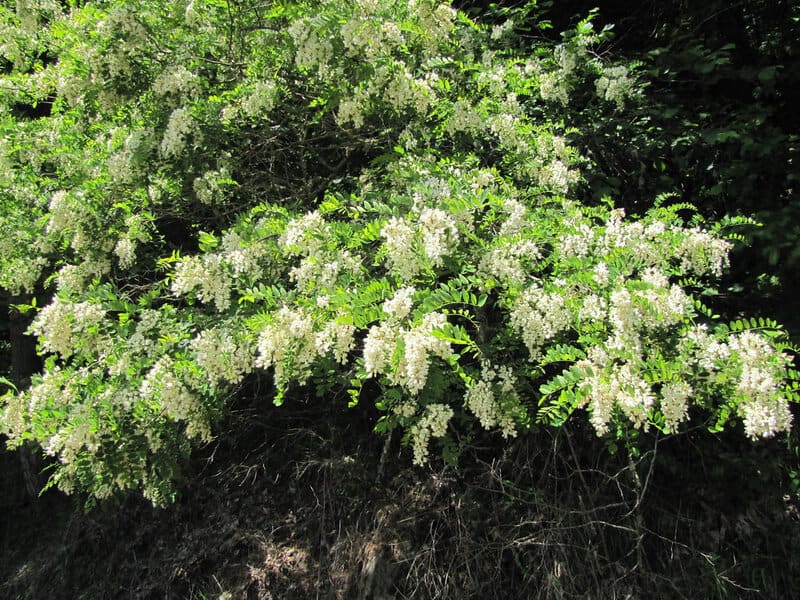
Appearing innocently in urban landscapes, this tree packs a multifaceted toxic punch. Its bark, leaves, and roots contain robinin and robitin. These are compounds that block cellular protein synthesis. Unlike other toxic trees that require ingestion, the Black Locust can poison through skin contact alone. Even its flowers, despite their sweet fragrance and edible status, can cause severe symptoms if consumed in quantity. The tree’s most treacherous aspect? Its toxins remain potent even in drought-stressed or damaged specimens, sometimes becoming even more concentrated.