Taniwha
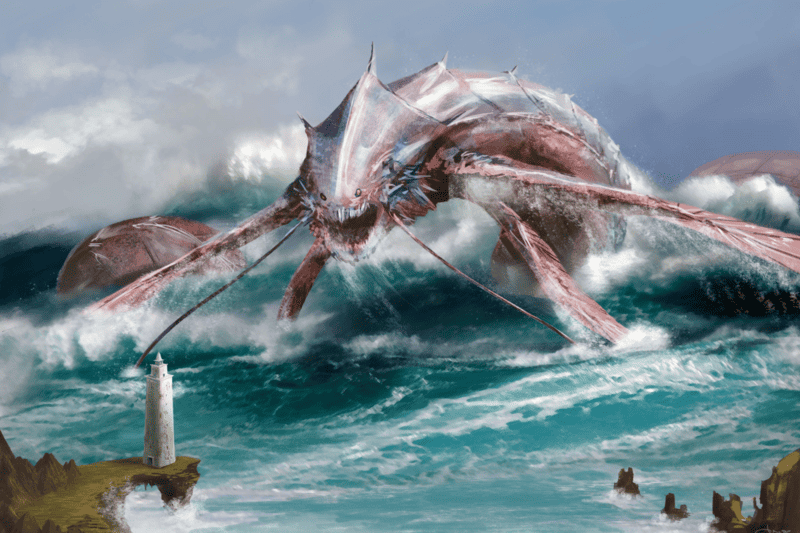
In ancient Māori folklore, Taniwha emerge as mystical entities, echoing the essence of serpents and dragons in other cultures. These supernatural beings, concealed in the depths of oceans, rivers, lakes, or caves, carry diverse roles in Māori tradition. Some Taniwha are depicted as menacing creatures, preying on humans or abducting women, while others are revered as tribal guardians, honored with gifts and karakia spells.
The enigma deepens with the varied appearances of Taniwha, ranging from giant lizards with wings to sea creatures, sharks, whales, or even disguised as logs in rivers. Legendary figures like Kupe and the dolphin Pelorus Jack are intricately linked to Taniwha tales. The captivating transformations of beings like Tūtaeporoporo, evolving from a shark to a creature with wings, scale-covered skin, webbed feet, and a bird-like head, add layers to these ancient narratives.
In the contemporary landscape, Taniwha retain significance in Māori beliefs, influencing decisions such as highway rerouting in Waikato due to concerns about destroying the lair of Karutahi, and debates around prison construction in Northland, where the potential hindrance to a Taniwha’s movement is a central consideration. The essence of Taniwha thus persists, seamlessly blending traditional spirituality into modern discourse.