
LATEST POSTS
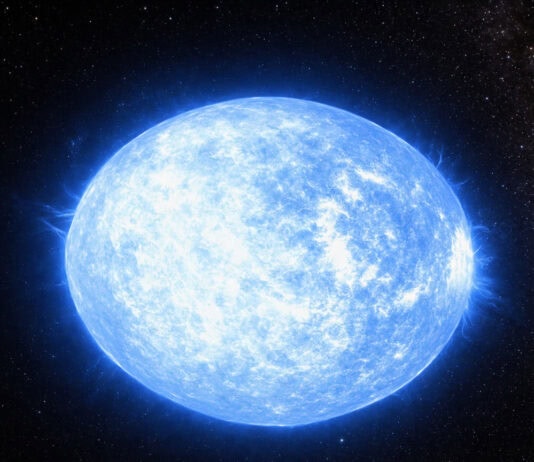
Regulus Spins at 96% of Its Breakup Speed — and It Shows
Regulus, a blue-white star just 79 light-years away, spins at roughly 96% of the velocity that would tear it apart — deforming it into a measurably squashed shape and driving nearly every other strange feature it displays.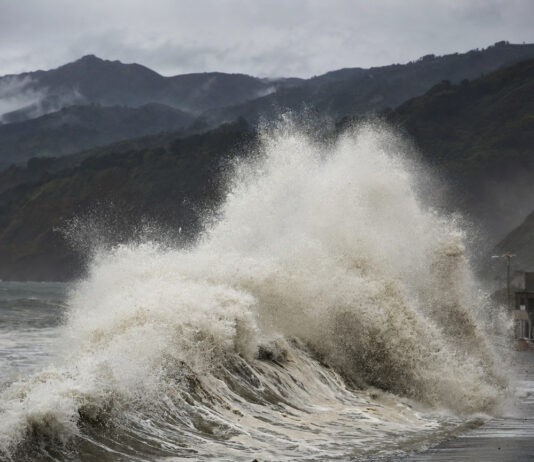
A Weakening AMOC Could Send Fiercer Atmospheric Rivers Into California
New research finds that a slowing Atlantic Meridional Overturning Circulation could intensify atmospheric rivers striking California, driving more destructive storm seasons and a sharper drought-to-deluge cycle by century's end.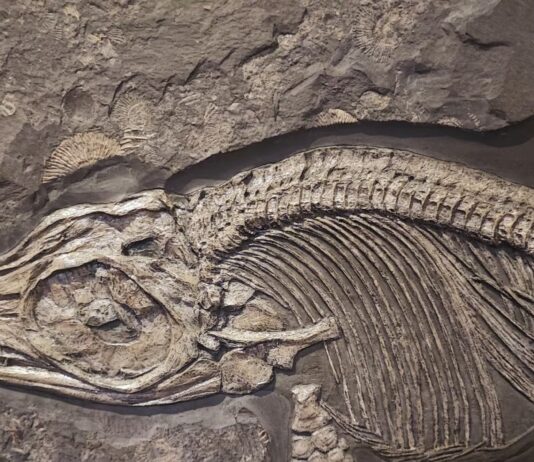
245-Million-Year-Old Fossil Still Has Its Liver — Inside a Triassic Sea Reptile
Researchers studying a 245-million-year-old fossil of the Triassic marine reptile Austronaga minuta found its liver, stomach, and intestines still intact — a vanishingly rare case of soft-tissue preservation that is rewriting what fossils can hold.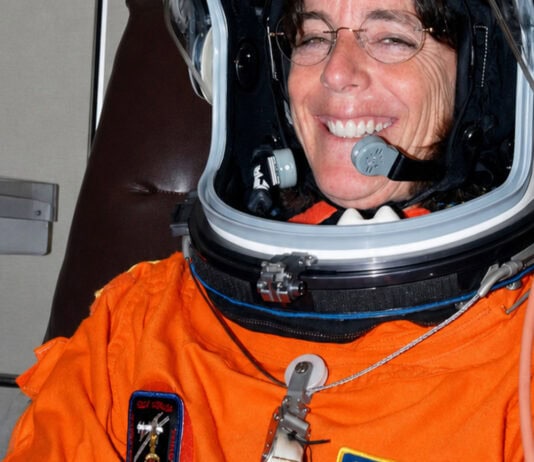
NASA Astronaut Brought Rocket Launches to SLO Kids — Here’s Why It Works
When NASA astronaut Barbara Morgan visited San Luis Obispo County in 1993, she put rocket science directly into students' hands — and decades of neuroscience confirm why that approach transforms young learners in ways passive instruction never can.
Mummy DNA Proves Smallpox Arrived With Colonizers, Not Before Them
Genomic analysis of a 17th-century Lithuanian mummy and colonial-era Chilean remains delivers the clearest biological evidence that European colonizers introduced smallpox to the Americas, with no genetic trace of a pre-Columbian viral lineage found.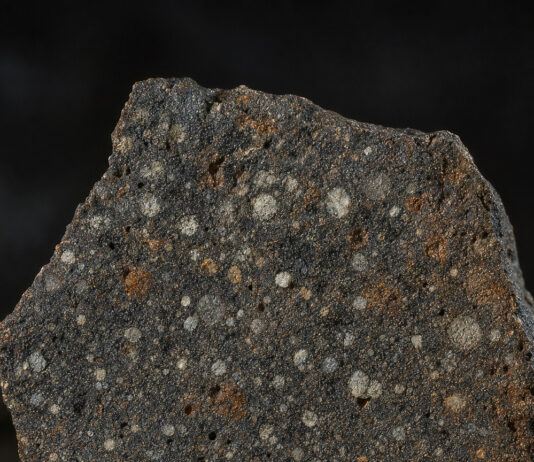
Presolar Grains Older Than Earth Were the Seeds of Our Solar System
Microscopic presolar grains found in the Allende meteorite predate the Sun by up to 3 billion years — and new research proposes they acted as nucleation seeds for the solar system's very first solids.Load More
TOP POSTS
January 26, 2026

January 26, 2026
January 26, 2026


EDITOR PICKS
December 12, 2024


December 6, 2024
