
LATEST POSTS

5,900-Year-Old Child Skull Reveals How Farming Reached Norway’s West Coast
Cranial fragments of a child recovered from a west-coast Norwegian cave and dated to around 5,900 years ago are giving researchers their clearest look yet at how — and by whom — farming first reached Scandinavia's rugged Atlantic edge.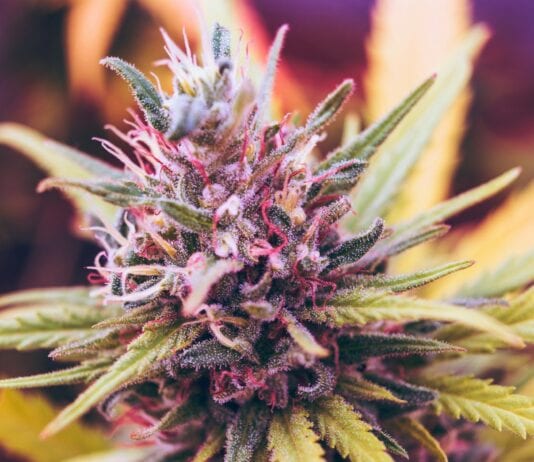
Cannabis Entourage Effect Is Real But Receptor-Specific, New Study Finds
New research published in Scientific Reports confirms the cannabis entourage effect is real, but finds it depends entirely on which terpene meets which cannabinoid receptor — not a universal whole-plant boost as widely assumed.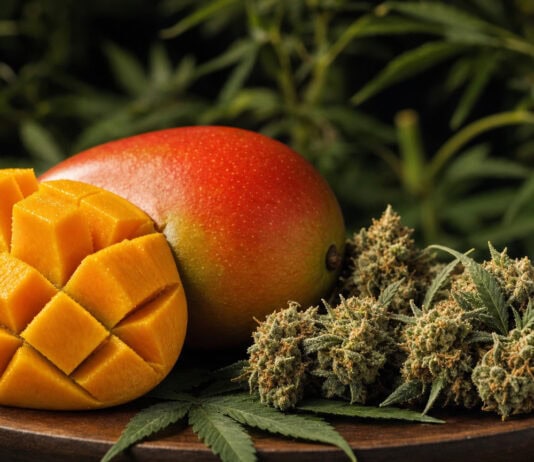
Mango and Cannabis Myrcene: Can Eating Fruit Intensify Your High?
The claim that eating mango before cannabis intensifies the high traces to a real shared molecule — myrcene — but the human evidence remains preliminary. Here's what preclinical research supports and where the science stops short.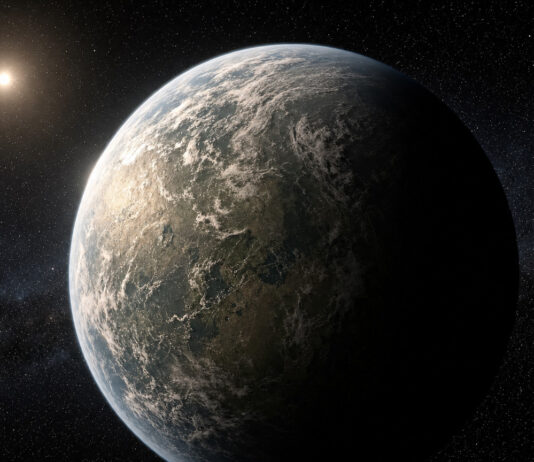
Kepler-452b’s Gravity Would Double Your Weight — and That’s Just the Start
NASA's 'Earth's cousin' Kepler-452b shares a striking orbital profile with our planet, but its doubled surface gravity, older and brighter host star, and unknown atmosphere mean survival there would be nothing like life on Earth.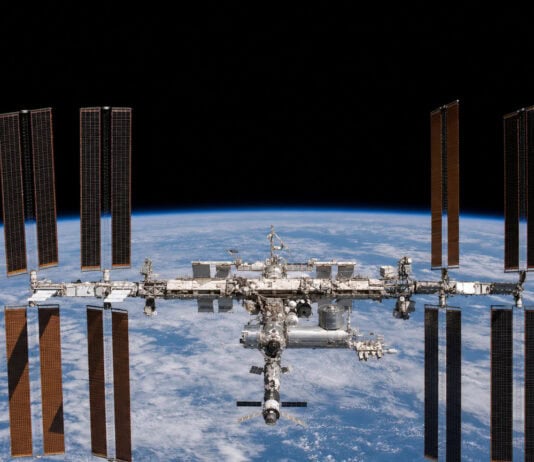
ISS Retirement by 2030: Why Crashing It Into the Ocean Is the Safest Exit
NASA plans to retire the International Space Station by 2030, ending 25 years of continuous habitation with a precisely engineered deorbit into the ocean — the largest controlled reentry of any object in spaceflight history.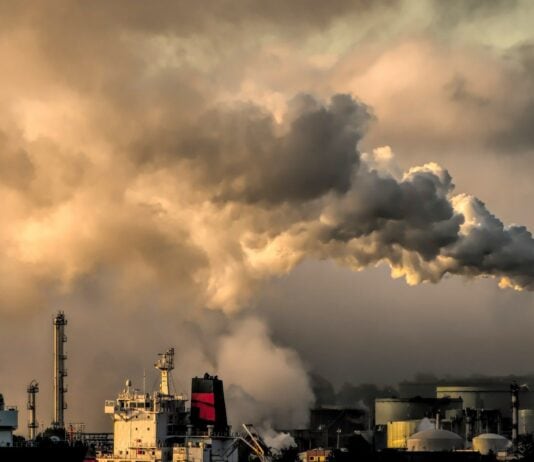
What Happens If We Stop Using Fossil Fuels Overnight vs. Over Decades
A 2021 Nature Climate Change study found that halting all fossil fuel use overnight would paradoxically trigger a short-term warming spike of 0.5–1°C, because reflective industrial aerosols vanish in weeks while CO₂ lingers for centuries. A phased transition to net zero by 2050 avoids that termination shock and limits peak warming to roughly 1.5°C.Load More
TOP POSTS
January 26, 2026

January 26, 2026

January 26, 2026


EDITOR PICKS
December 12, 2024


December 6, 2024
