
LATEST POSTS
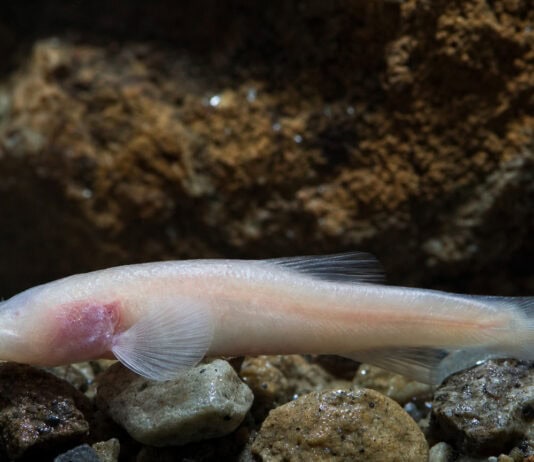
New Cavefish Species Found Under a U.S. Army Base Had Hidden There for Ages
A blind cavefish found in Bobcat Cave beneath Redstone Arsenal in northern Alabama has been formally identified as an entirely new genus and species — the first of its kind ever described by science, with its entire global population living under a single U.S. Army base.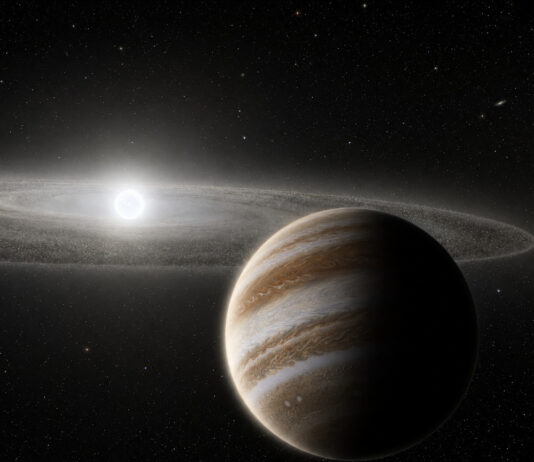
Astronomy’s Biggest 2025 Discoveries: A Planet Outlived Its Star
JWST confirmed a planet orbiting a white dwarf in 2025 — the first direct evidence a world can survive stellar death — while new surveys suggest the Milky Way is bigger than we thought and two ultra-low-density 'super-puff' planets defied physics expectations.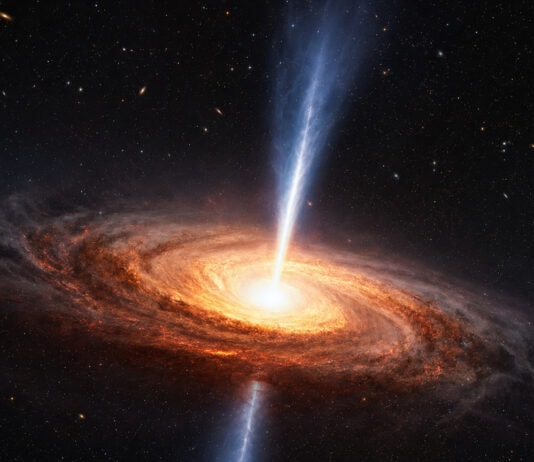
Euclid Found the 2 Oldest Quasars Ever — Each Brighter Than a Trillion Suns
The Euclid space telescope has identified the two most ancient quasars ever observed, both blazing with the energy of a trillion suns just 670 million years after the Big Bang — deepening the mystery of how supermassive black holes grew so massive so fast.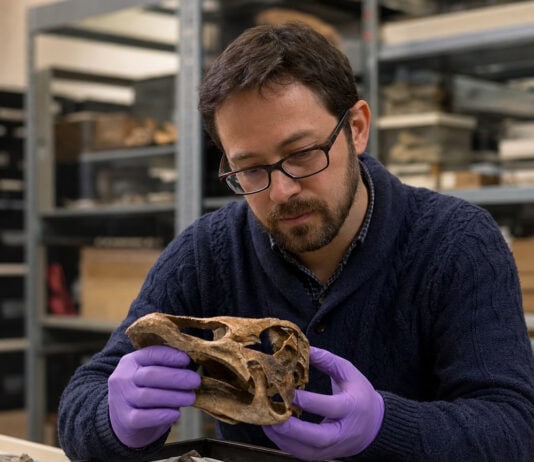
Antarctica’s First Dinosaur Fossil Spent 40 Years Mislabeled in a Drawer
A bone fragment collected from Antarctica in 1985 sat mislabeled in museum storage for roughly 40 years before researchers identified it as an 82-million-year-old titanosaur vertebra — the first dinosaur fossil ever confirmed from the continent.
Why Psoriasis Biologics Fail 1 in 3 Patients — and What Genetics Reveal
A study in the Journal of the American Academy of Dermatology identifies a dual Th17 and Type 2 immune signature that may predict, before treatment starts, which psoriasis patients will respond to biologics and which will not.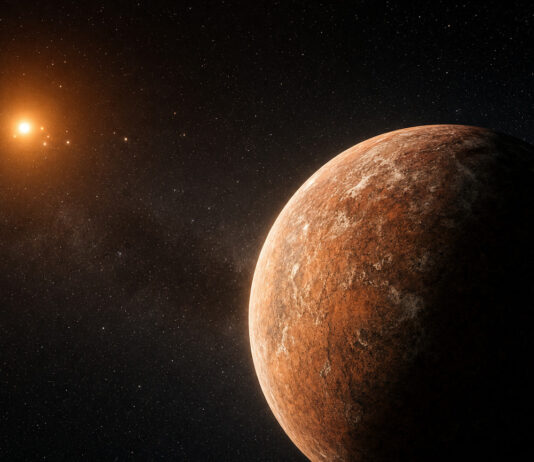
Closest Exoplanets to Earth: Proxima Centauri’s Worlds Upend Expectations
The closest exoplanets to Earth orbit Proxima Centauri just 4.25 light-years away, including a potentially habitable rocky world—yet violent stellar flares and missing atmosphere data make their prospects far more complicated than scientists first hoped.Load More
TOP POSTS
January 26, 2026

January 26, 2026

January 26, 2026


EDITOR PICKS
December 12, 2024


December 6, 2024
