Supergiant Stars
Lifespan: Few Hundred Thousand to 30 Million Years
Class: A, F, G, K
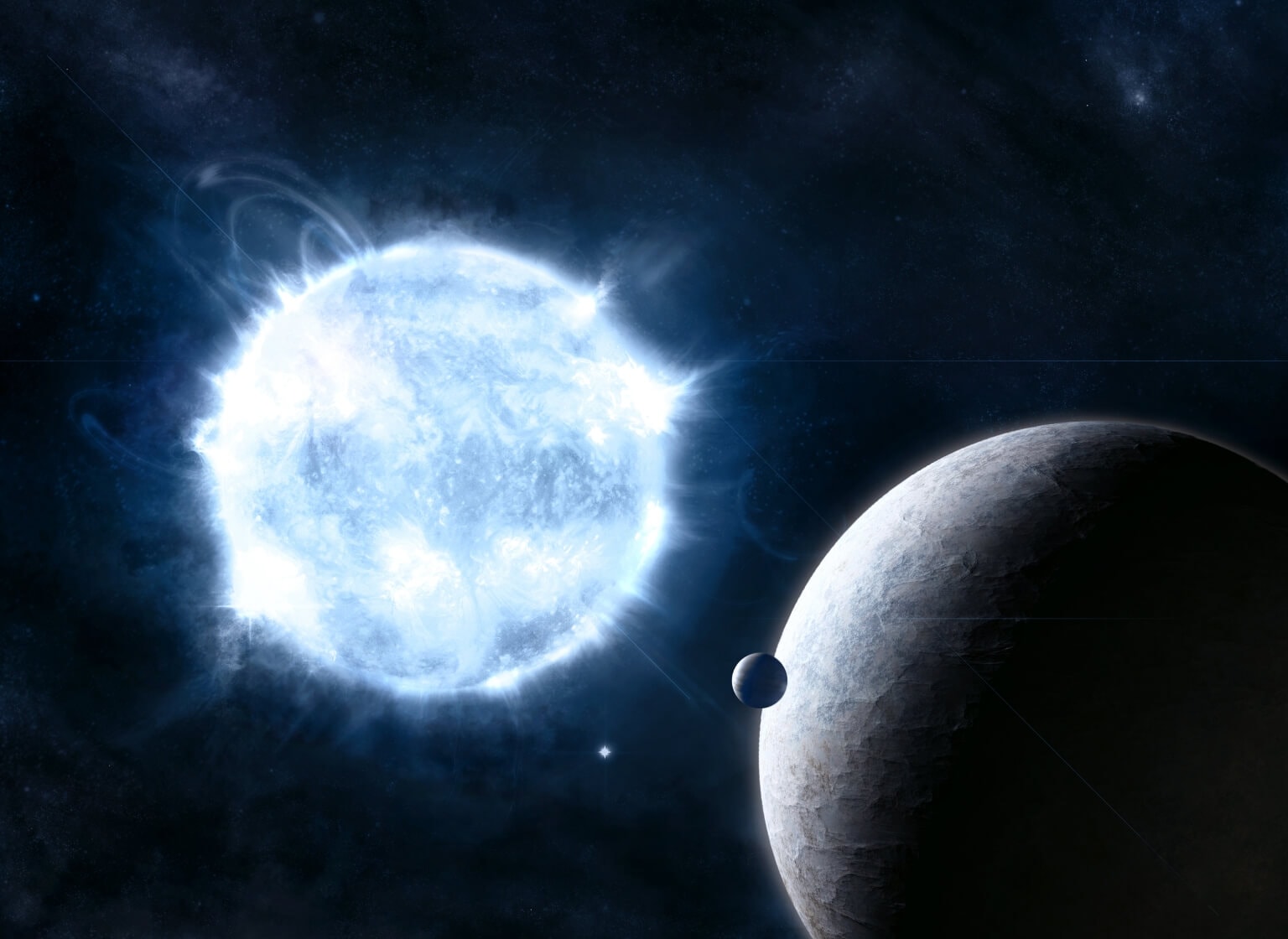
It should give away in the name that Supergiant stars are going to be pretty massive. Usually, these stars will be the brightest visible to us. They are also the most common large star, so they will be the most common for us to see with the naked eye or with a normal telescope you could get at a local store. On the Hertzsprung-Russell diagram, they are second from the top in absolute visual magnitude. This is the scale that determines the brightness of a celestial object, such as a star.
The brighter a celestial object is, the lower its number will be. Once you reach negative numbers, you’re seeing the brightest known celestial bodies. Supergiant stars will usually fall within the -3 to -8 range, which should tell you they are incredibly bright. Most tend to be high in temperature along with this. Depending on the star, Supergiants can be 3,400 to over 20,000 Kelvin. The temperature will also determine their color and even their potential lifespan. However, the larger the star is…the lower its lifespan.