
LATEST POSTS
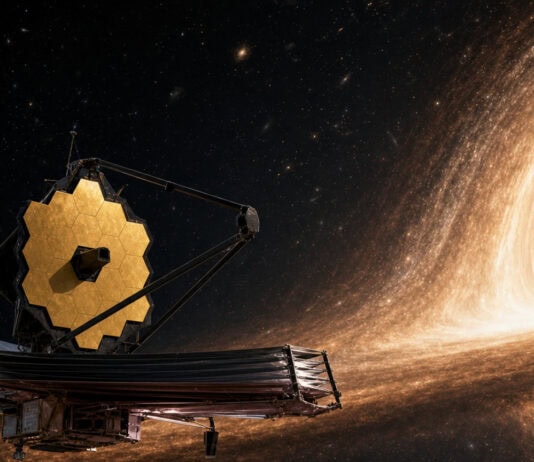
James Webb Caught a Supermassive Black Hole Feeding at the Universe’s Edge
NASA's James Webb Space Telescope captured a supermassive black hole actively feeding just 600 million years after the Big Bang, tracing the gas filaments and a record 800-light-year accretion disk that are forcing astronomers to rethink how black holes grew so massive so fast.
LinkedIn Is 40% AI-Written — and Your Brain Can’t Detect It
A Pangram Labs study flagged more than 40% of longer LinkedIn posts as AI-generated, making it the most AI-saturated major platform studied. Cognitive science research shows humans perform near chance level when trying to distinguish AI writing from human text — yet audiences still engage less when they suspect content is machine-made.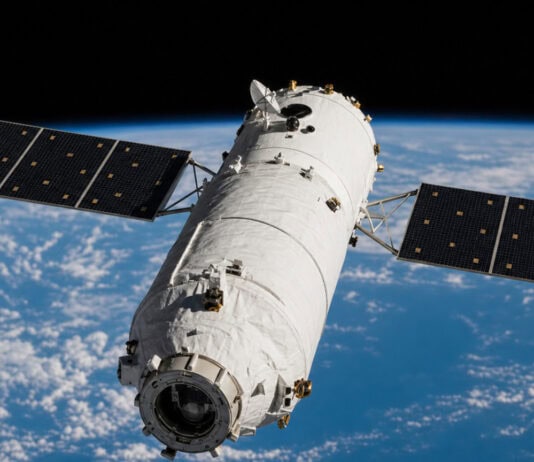
China’s Qingzhou Cargo Spacecraft: Smaller, Cheaper, Built for Tiangong
China's next-generation Qingzhou cargo spacecraft passed its 2025 orbital test flight and is scheduled for its operational debut in January 2027, designed to resupply the Tiangong space station more cheaply than its predecessor, the Tianzhou.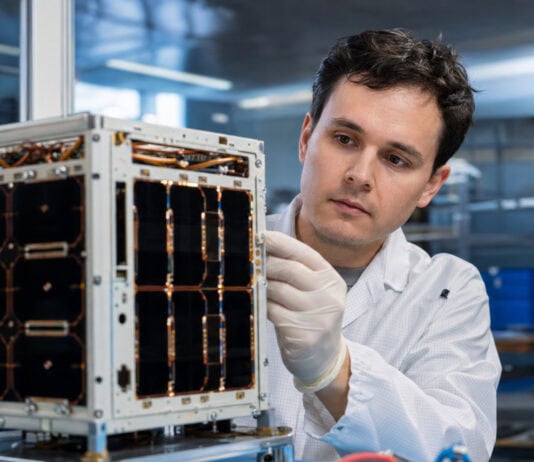
CubeSat GRITSS Targets the Centimeter Errors That Send Spacecraft Off Course
A tiny, precisely characterized CubeSat built by NASA and ISISPACE is designed to expose the subtle errors in orbital reference frames — the invisible coordinate grids that every spacecraft depends on — errors small enough to ignore today but consequential enough to derail next-generation proximity operations and lunar missions.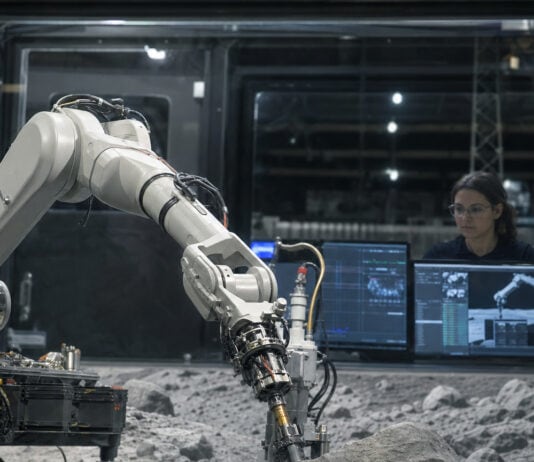
Rice and NASA Release the First Open-Source Remote Space Robotics Simulator
Rice University and NASA have jointly released iMETRO Dynamic Simulation, the world's first open-source remote space robotics simulator, giving universities and researchers worldwide a free, high-fidelity digital twin of NASA's physical iMETRO test facility.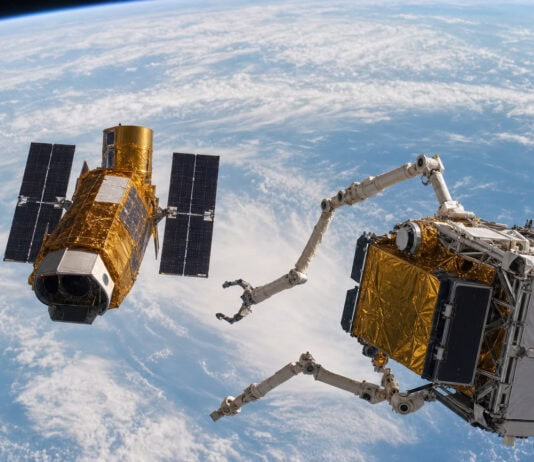
Swift Telescope Is Falling From Orbit — A $30M Robot Is Racing to Catch It
NASA's 21-year-old Swift gamma-ray telescope is slowly falling from low-Earth orbit, accelerated by solar storms it cannot counteract. On July 3, 2026, a $30 million robotic spacecraft called Katalyst LINK launched on an unprecedented mission to catch and reboost it before an uncontrolled reentry scatters debris over unpredictable terrain.Load More
TOP POSTS
EDITOR PICKS


December 12, 2024

July 1, 2025
