Ancient Chinese Astronomy
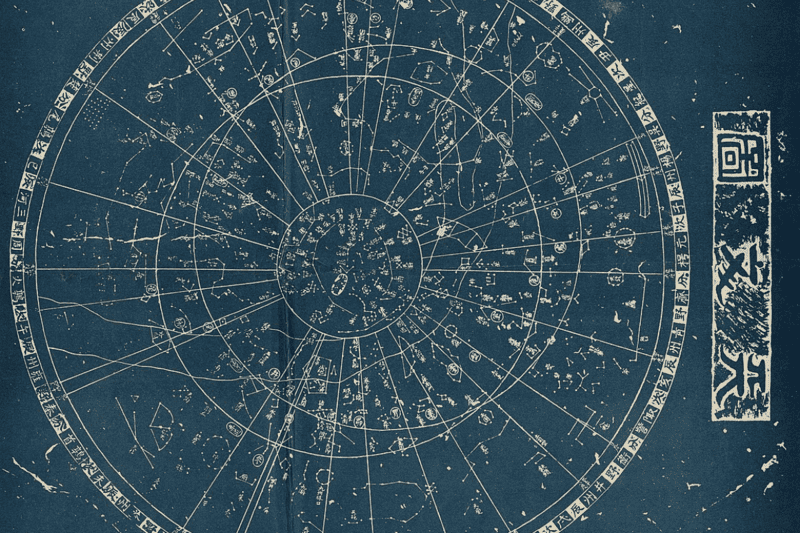
Chinese astronomers were masters in the world of sky-gazing history. With a lineage tracing back thousands of years, these ancient sky-watchers crafted an astronomical legacy that rivaled the best in the world. In 185 AD, their keen observations bore witness to one of the earliest recorded supernovae, showcasing an early understanding of stellar phenomena. Armed with dedication and meticulous record-keeping, the Chinese not only tracked the mesmerizing dance of comets but also meticulously documented the positions of stars, contributing significantly to a celestial narrative that echoes through the ages.
The intricate Chinese astronomical tradition was not merely a spectacle for the eyes; it served practical purposes deeply intertwined with their cultural and agricultural practices. Beyond the mesmerizing beauty of the night sky, these ancient astronomers wielded their knowledge for pragmatic applications. The Chinese developed accurate and detailed star maps, aiding navigation and aligning with their practical needs, such as agriculture and timekeeping.
The famed Dunhuang Star Chart, dating back to the Tang Dynasty (7th century), stands as a testament to their precision. Additionally, their calendar systems, harmonizing lunar and solar cycles, guided agricultural activities, demonstrating a fusion of cosmic wonder and earthly utility. This integration of astronomy into the fabric of daily life not only enhanced their practical pursuits but also fostered a holistic understanding of the cosmos, leaving an enduring legacy that paved the way for future astronomical endeavors.