Mayan Astronomy
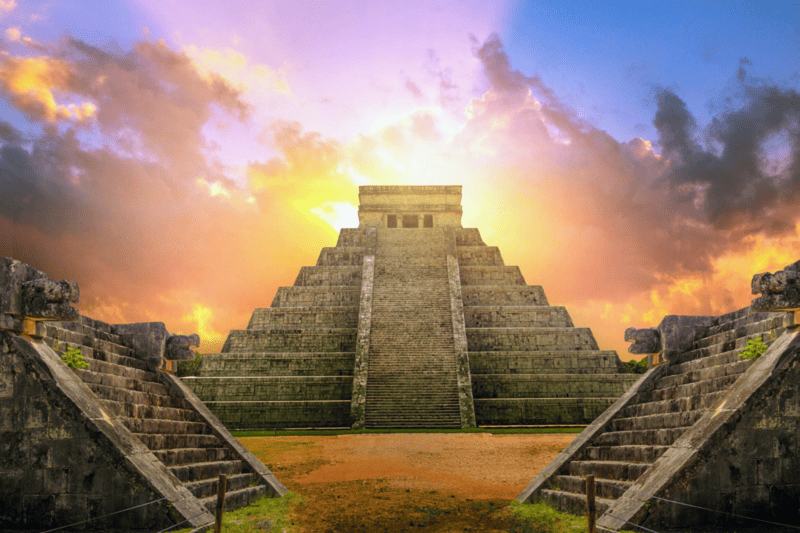
In the heart of Mesoamerica, the ancient Maya civilization emerges as a beacon of astronomical prowess, leaving an indelible mark on the study of the cosmos. Flourishing between 2000 BCE and 1500 CE, the Maya not only built awe-inspiring pyramids but also crafted a sophisticated system of timekeeping that showcased their profound understanding of astrological rhythms.
At the core of their achievements was the development of a dual-calendar system. The 260-day ritual calendar, known as the Tzolk’in, and the 365-day solar calendar, called the Haab’, interwove seamlessly, creating a more intricate and accurate measurement of time. This calendrical mastery allowed the Maya to synchronize cosmic events with their religious and agricultural practices, attuning their lives to the cosmic ballet above.
Mayan astronomers, with an acute awareness of the night sky, honed their observational skills to predict celestial phenomena with remarkable precision. Eclipses became essential for the Maya, and their astronomers could forecast these events, demonstrating an understanding of the intricate dance between the Earth, Moon, and Sun.
Additionally, the movements of Venus, a planet associated with their deity Kukulkan, were meticulously recorded. The Maya not only gazed at the heavens for spiritual insights but also integrated their astronomical knowledge into practical aspects of daily life. This cosmic literacy played a pivotal role in shaping their agricultural practices and societal rituals.