Medieval Islamic Astronomy
For ancient cultures, astronomy wasn’t just about science; it was a way to uncover the secrets of the cosmos. Among these are the Islamic scholars of the Golden Age (8th to 14th centuries) standing as beacons of enlightenment. Al-Razi, Al-Battani, and Al-Haytham, the architects of Islamic astronomy, propelled the field to new heights.
They honed observational techniques, meticulously charting the heavens, while refining Ptolemaic models that described the Earth-centered universe. Beyond groundbreaking discoveries, the Islamic astronomers played a pivotal role in preserving and translating the wisdom of ancient Greece and Rome.
In the radiant glow of Islamic astronomy, a cosmic bridge emerged, connecting time and cultures. As Europe slumbered in the Dark Ages, the Islamic world became a repository of astronomical knowledge. The luminaries of the time safeguarded and translated Greek and Roman texts, acting as custodians of intellectual treasures that would later spark the Renaissance in Europe.
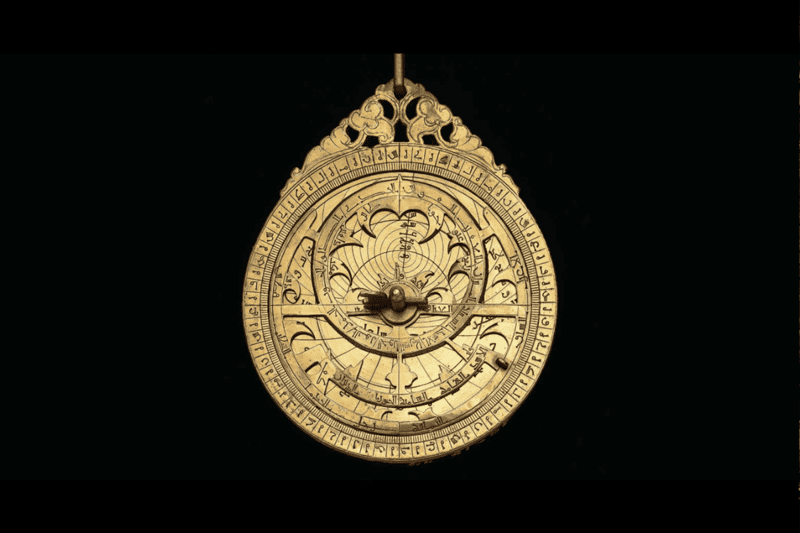
This transmission of wisdom not only preserved the astronomical heritage but also catalyzed a resurgence of interest in the skies. The astrolabe, an ingenious device developed during this era, became a guiding light for navigators and astronomers alike, showcasing the practical applications of Islamic astronomical advancements.