The Dogon People of Mali
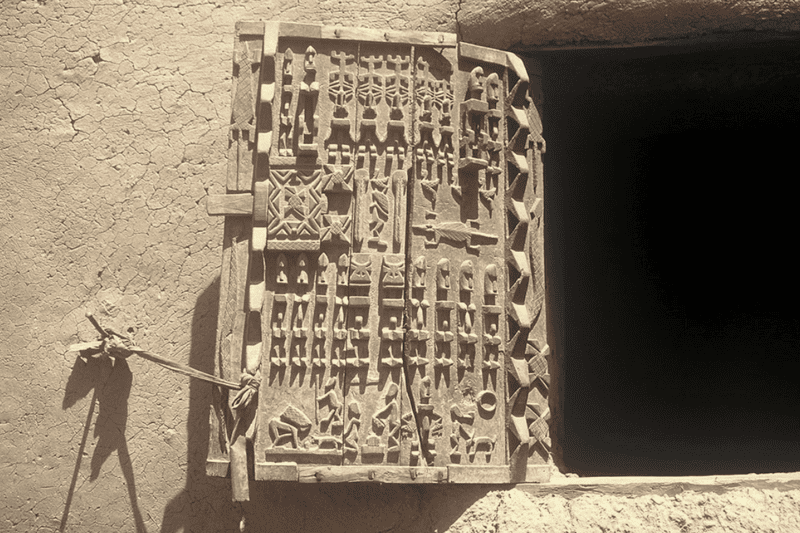
The ancient cultures across Africa embroidered their unique cultural narratives by weaving a profound understanding of the cosmos into the fabric of their societies. Among these, the Dogon people of Mali stand out for their intricate knowledge of Sirius, the brightest star in the night sky. The Dogon’s heavenly expertise extends beyond mere stargazing; they possess a remarkable understanding of Sirius B, a companion star to Sirius that remains invisible to the naked eye.
Their oral tradition, passed down through generations, recounts details about Sirius B’s characteristics and orbit, knowledge that predates modern telescopic observations. This cosmic awareness is not merely an intellectual pursuit for the Dogon; it holds cultural and spiritual significance, intricately woven into their cosmology and religious practices.
The Dogon’s heavenly insights highlight the symbiotic relationship between astronomy and cultural identity, where the night sky becomes a theater for narratives and beliefs. Their knowledge of Sirius, along with other cosmic bodies, serves practical purposes in agricultural and calendrical contexts. The timing of planting and harvesting aligns with celestial events, demonstrating a harmonious fusion of astronomy and agriculture.
The Dogon’s impact on astronomy extends beyond the confines of their community; their unique astronomical insights have sparked interest and dialogue among modern astronomers and anthropologists. The influence of ancient wisdom and contemporary scientific inquiry sheds light on the enduring influence of these cultures, emphasizing that the stories etched into the night sky continue to resonate across the tapestry of time.