Ancient Japanese Astronomy
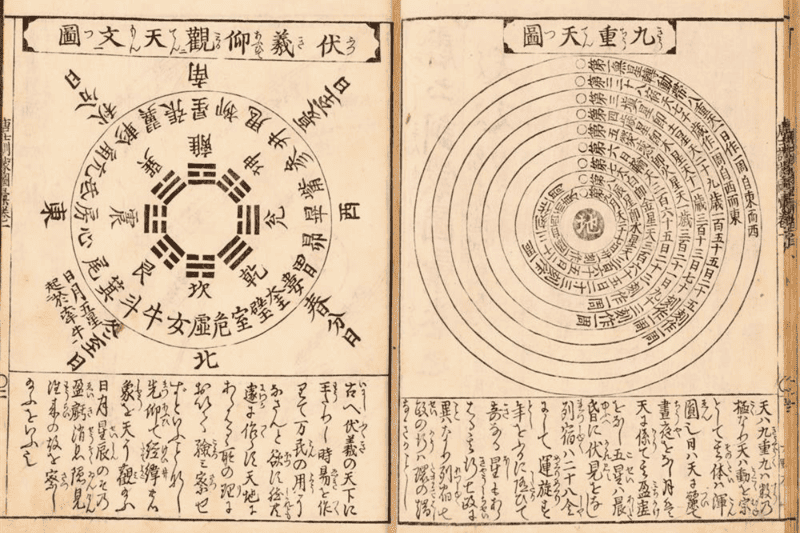
Japan is a captivating culture with its profound connection between astronomy and Shinto beliefs. The cosmic knowledge of Japan’s ancient skies was meticulously observed by astronomers who erected observatories and meticulously recorded celestial events. Rooted in the intricate web of Shintoism, the indigenous spirituality of Japan, these pursuits were not mere scientific endeavors but were deeply intertwined with cultural, religious, and agricultural practices. The Japanese people’s fascination with the heavens found expression in their innovative calendar system, intricately interwoven with the lunar and solar cycles.
This calendrical precision wasn’t a mere reflection of astronomical prowess; it was a testament to the symbiotic relationship between the planetary bodies and the terrestrial life of ancient Japan. The skies were not just a canvas of stars; they were a divine script guiding the rhythm for daily life in Japan. Observatories dotted the landscape, attesting to the meticulous observations of the moon, sun, and stars, providing a symphony that dictated the timing of agricultural activities and religious rituals.
In shaping their calendar, the Japanese not only recorded astronomical events but also encoded the essence of their cultural identity and spiritual beliefs. The fusion of astronomy and spirituality in ancient Japan established the groundwork for a distinctive cosmological perspective, imprinting itself deeply onto the cultural identity of the era and shaping the customs of the future.