Aztec Astronomy
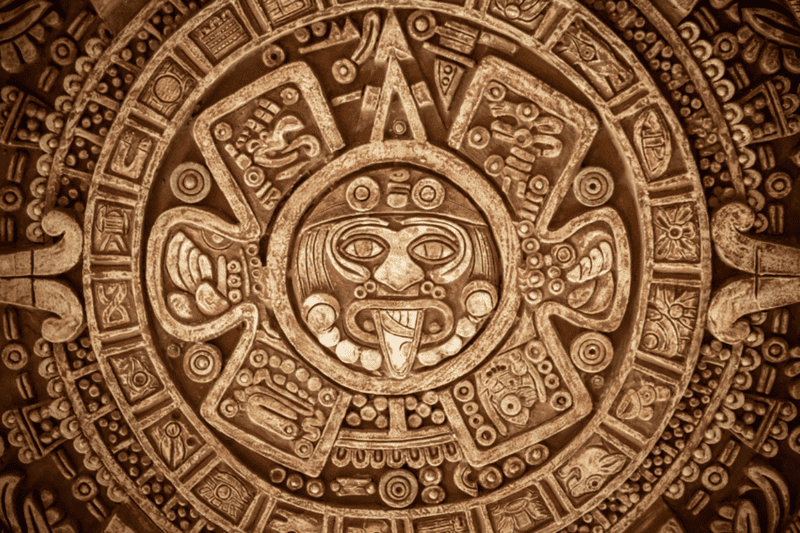
The Aztecs of Mesoamerica stand as superb navigators and architects of time. Renowned for their intricate understanding of the cosmos, the Aztecs crafted a sophisticated calendar system that seamlessly blended the spiritual and the solar. At the heart of their culture lays a 260-day ritual calendar, intertwined with an 18-month solar calendar, reflecting the dual strands of their cultural fabric. This intricate calendar not only dictated the rhythms of their religious ceremonies but also played a crucial role in agricultural planning, a testament to the Aztecs’ holistic approach to astronomy.
The Templo Mayor in Tenochtitlán stands as an enduring testament to the Aztecs’ mastery of astrological alignments. This monumental structure, the spiritual epicenter of their civilization, was strategically constructed to harmonize with the movements of the stars and cosmic bodies.
The Aztecs, with a keen eye turned toward the heavens, integrated their cosmic insights into the very foundations of their architectural marvels. The Templo Mayor’s alignment with celestial events showcased a profound connection between the earthly and the ethereal, demonstrating the Aztecs’ belief in the intimate role of the heavenly realm with the affairs of daily life.