17. Glishades
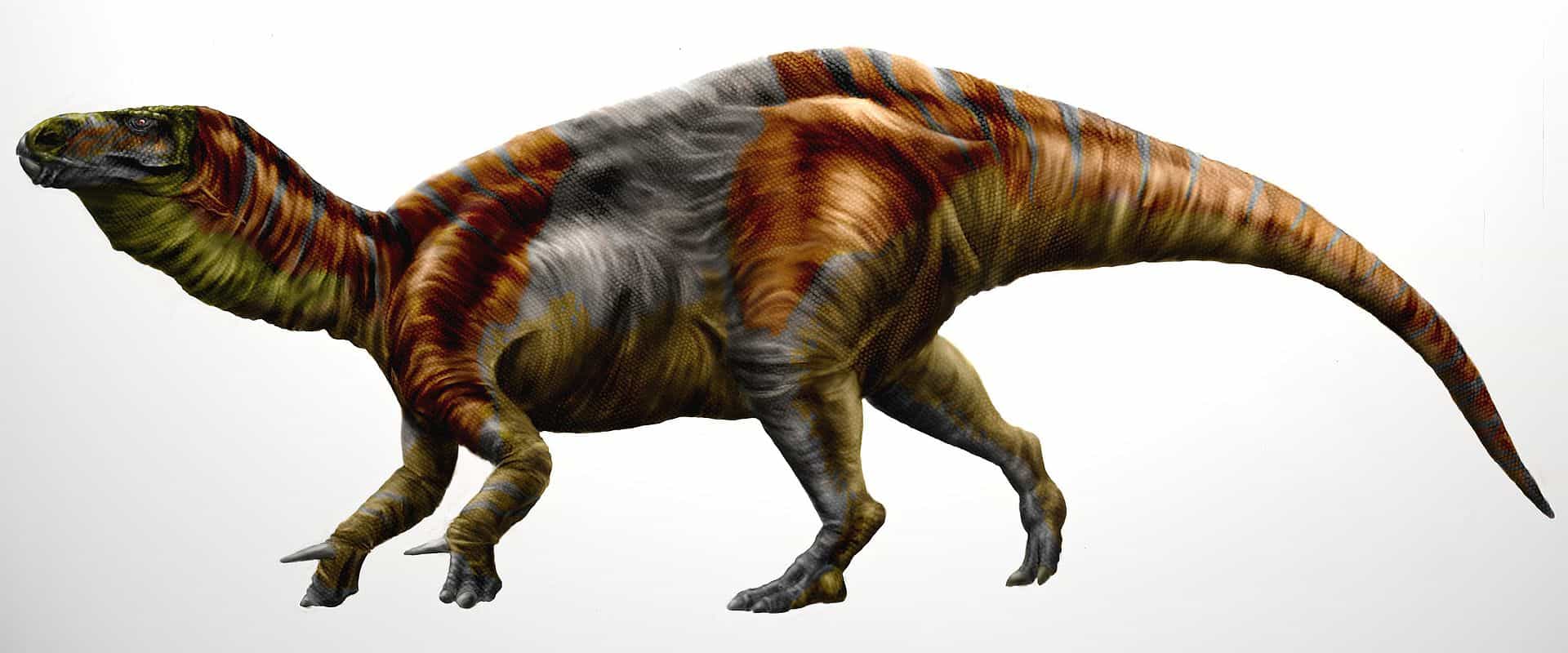
In 2010, Glishades was discovered in the Two Medicine Formation of Montana. Glishades date back roughly 75 million years ago to the Late Cretaceous Period. Because its fossils were found in sedimentary strata, it was given the name Glishades, which roughly translates from Latin to “concealed in the mud.”
Since the only Glishades fossils that were found were jaw bones, not much is known about this species. Based on its teeth, it is known to be a herbivore. Paleontologists believe that the Glishades could potentially be a juvenile of another dinosaur genus, Bactrosaurus johnsoni. This type of dinosaur was found to have lived in Eastern China during the Late Cretaceous Period.