3. Myth: Bats are blind and only use echolocation to help them get around
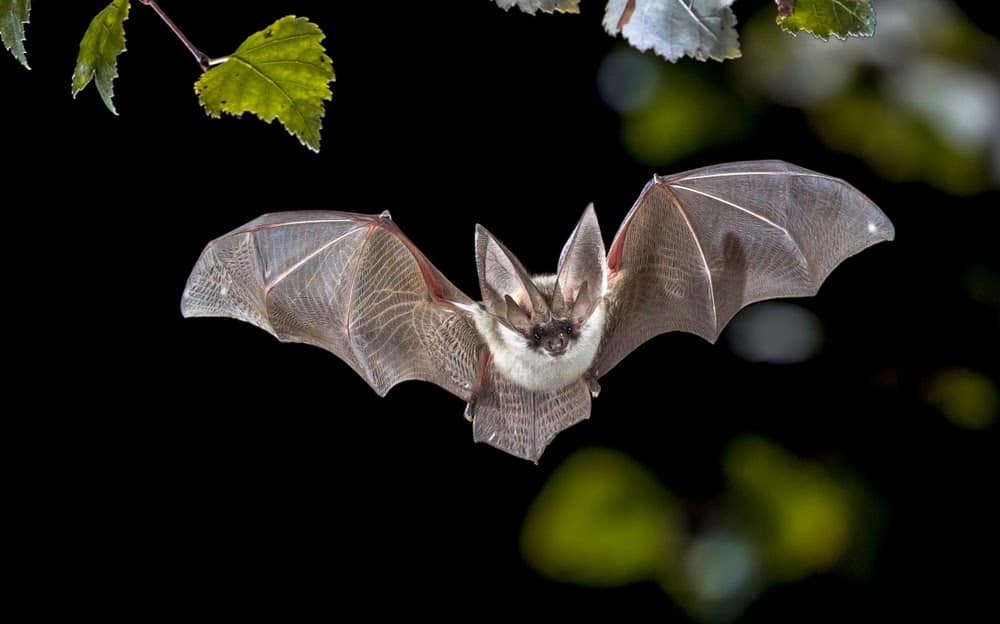
Contrary to a common myth, bats are not blind. Bats see in black and white and can see better at night than we can. They lack color receptors. However, in low or dim light, we are not able to see colors either. Although they commonly use echolocation to get around and hunt during the night, there have been suggestions that they occasionally prefer using eyesight versus sound when hunting. Many fruit bats, which drink nectar rather than hunt insects, don’t use echolocation at all. This myth may have arisen from the fact that bats don’t see as well as we can in daylight or because they have the option to use sounds to navigate without sight.

Some people have also thrown out the phrase ‘you’re blind as a bat,’ which further fuels the myth that bats are blind. It is used as a figure of speech to describe the faulty vision and is based on the assumption that bats cannot see. Another potential for this myth is that bats often fly incredibly close to objects. However, that is due to curiosity rather than their inability to see. Their unique flight patterns and fear of getting caught in your hair (another myth) have contributed to this myth. A bat’s eyes are more attuned to low-light conditions to better aid in finding prey.