7. The Eruption of Mount Tambora and the Year Without a Summer
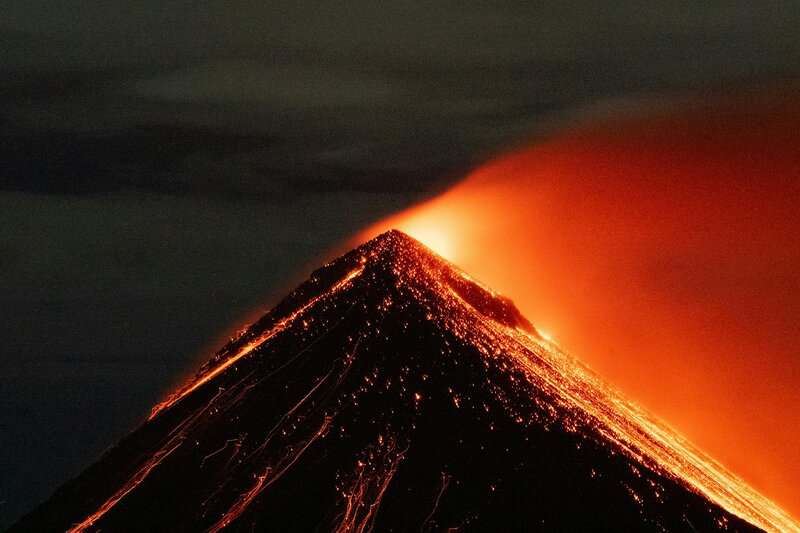
In April 1815, Mount Tambora, located on the island of Sumbawa in present-day Indonesia, erupted catastrophically, releasing an estimated 37-45 cubic kilometers of volcanic material into the atmosphere. This eruption, the most powerful in recorded history, led to a significant climatic anomaly known as the “Year Without a Summer” in 1816. The volcanic aerosols injected into the stratosphere caused global temperatures to decrease by approximately 0.4-0.7°C, resulting in widespread crop failures and food shortages across the Northern Hemisphere. In Europe, the cold temperatures and poor harvests led to famine and social unrest. In North America, particularly in New England, the persistent “dry fog” dimmed sunlight, causing unusual cold and frost throughout the summer months. These conditions devastated agriculture, leading to food shortages and economic distress. The eruption of Mount Tambora serves as a stark reminder of how natural events can profoundly impact global climate and human societies. (history.com)