10. Blue Ice and Pressure Ridges
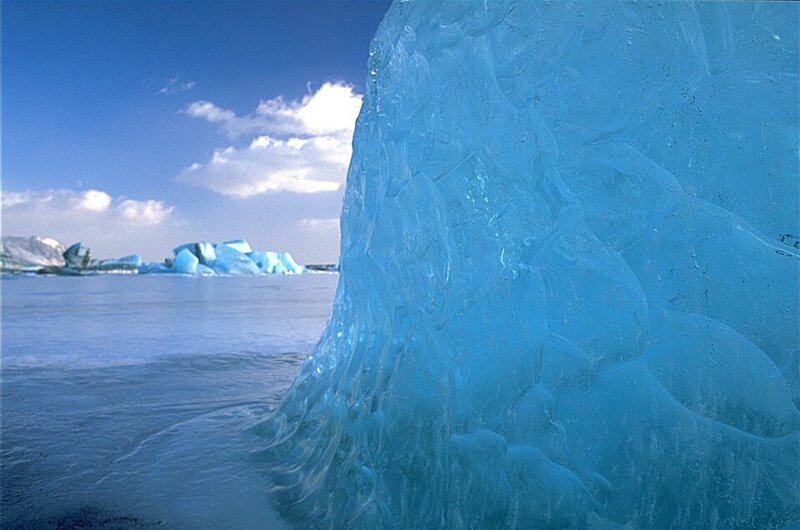
In the Arctic, the collision and compression of floating ice sheets lead to the formation of dramatic features such as blue ice and towering pressure ridges.
Blue Ice: As snow accumulates on glaciers, it compresses over time, expelling air bubbles and enlarging ice crystals. This process results in dense, blue-hued ice due to the absorption of longer wavelengths of light. (en.wikipedia.org)
Pressure Ridges: When ice floes collide, they create linear accumulations of ice blocks, forming pressure ridges. These ridges consist of a “sail” above the water and a “keel” below, with heights ranging from a few inches to over 10 feet. (pmel.noaa.gov)
These features significantly influence Arctic navigation and ecosystems, serving as obstacles for shipping and providing habitats for various marine species.