1. Polar Day and Night: Light Without Sunshine
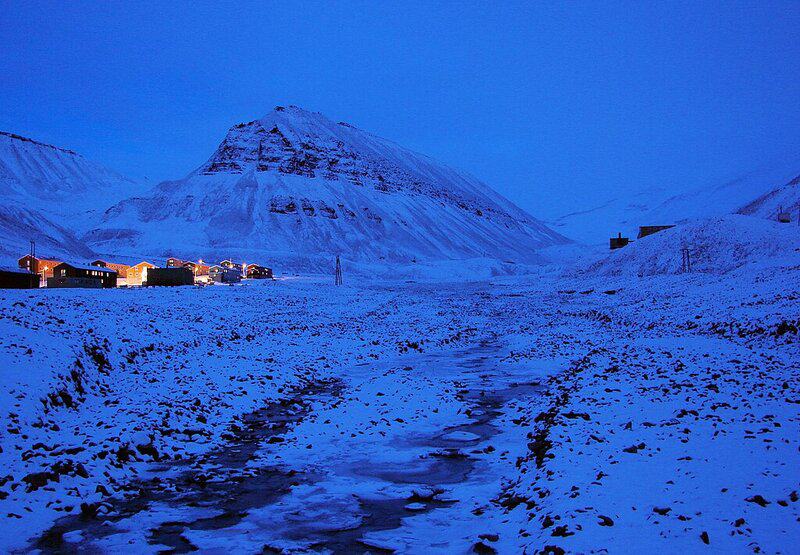
The Arctic experiences extreme periods of daylight and darkness due to Earth’s axial tilt. During winter, regions within the Arctic Circle undergo months of darkness, known as the polar night, while in summer, they enjoy continuous daylight, termed the midnight sun. These prolonged periods influence temperature fluctuations and weather patterns, leading to unique climatic conditions. In contrast, most other parts of the world experience regular day-night cycles, with daylight and darkness alternating approximately every 24 hours. For a detailed explanation of these phenomena, refer to NASA’s SciJinks article on polar day and night. (scijinks.gov)