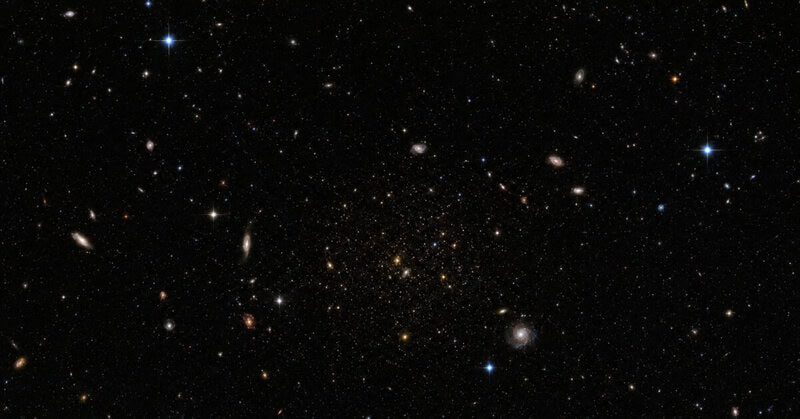
In the vast darkness between galaxies — a region of space long assumed to be essentially sterile — the Hubble Space Telescope has captured something that resists easy explanation: thousands of stars glittering in isolated space, existing precisely where conventional models say they should not. The November 2026 image is not just one of the year’s most striking space photographs; it is a scientific puzzle, and astronomers are still working out what it means.
What Hubble Actually Captured
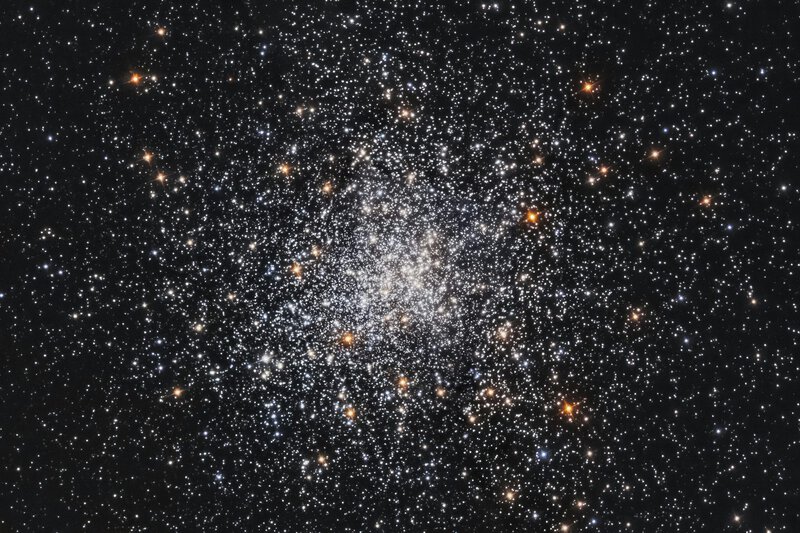
The image, released by NASA and ESA in November 2026, presents a dense, luminous collection of stars set against the deep black of intergalactic space. At the center of the frame sits Messier 30 (M30), a globular cluster that NASA and ESA describe as a lesson in galactic history — a tightly packed, gravitationally bound sphere of hundreds of thousands of ancient stars, preserved across billions of years like a fossil from the early universe.
What deepens the intrigue is what surrounds M30. A wash of blue light permeates the image, indicating the presence of extremely hot stars. Blue stars are short-lived on cosmic timescales — they burn through their fuel rapidly — and their presence in and around this isolated region raises immediate questions about how they formed, where they originated, and why they appear to have no traceable home galaxy.
Hubble’s resolution and sensitivity are what make this observation possible. What might register as faint haze or background noise through lesser instruments becomes, through Hubble’s optics, a countable, studyable population of individual stars — each one a data point in a mystery that has been building quietly for decades.
The Mystery: Stars With No Apparent Birthplace
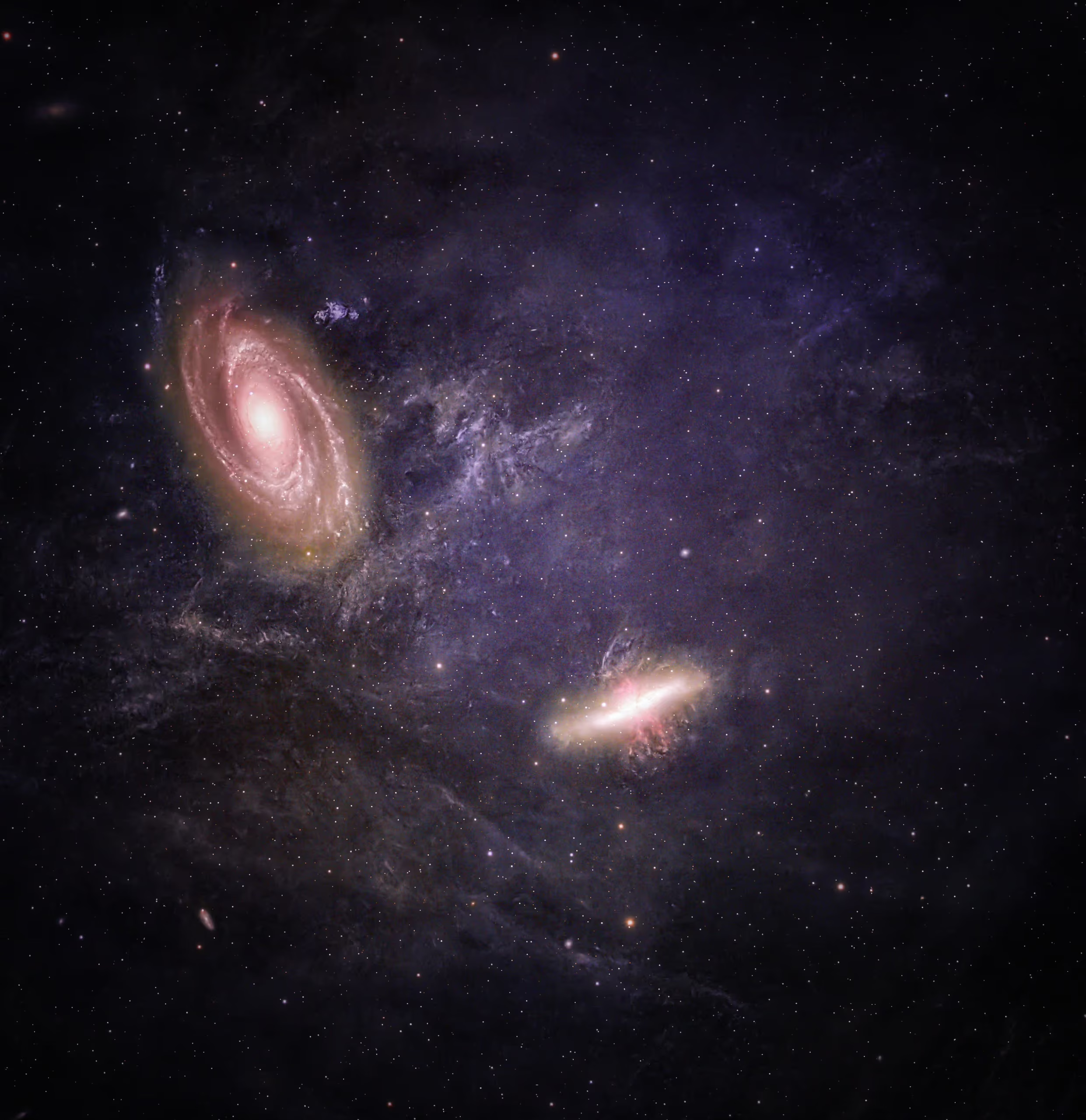
To understand why these stars are puzzling, it helps to understand what intergalactic space is expected to look like. The voids between galaxies are extraordinarily thin environments — far too sparse in gas and dust to support the dense molecular clouds that normally act as stellar nurseries. Under standard models of star formation, stars should not originate there. Yet Hubble’s image reveals thousands of stars glittering in a display of blue light in precisely these isolated regions.
These so-called intergalactic stars, or rogue stars, appear to have no current host galaxy, no obvious parent cluster they remain associated with, and no clear formation site within reach of modern instruments. Scientists have documented intergalactic stars before — particularly in the crowded, interaction-rich environments of galaxy clusters, where their presence is more intuitively explainable. But isolated stellar populations like those hinted at in this image push the mystery into considerably less-charted territory.
The core question driving astronomers is deceptively simple and genuinely unresolved: were these stars born inside galaxies and subsequently expelled into the void, or could some poorly understood mechanism allow star formation in the deep intergalactic medium itself?
Leading Theories: Where Did These Stars Come From?
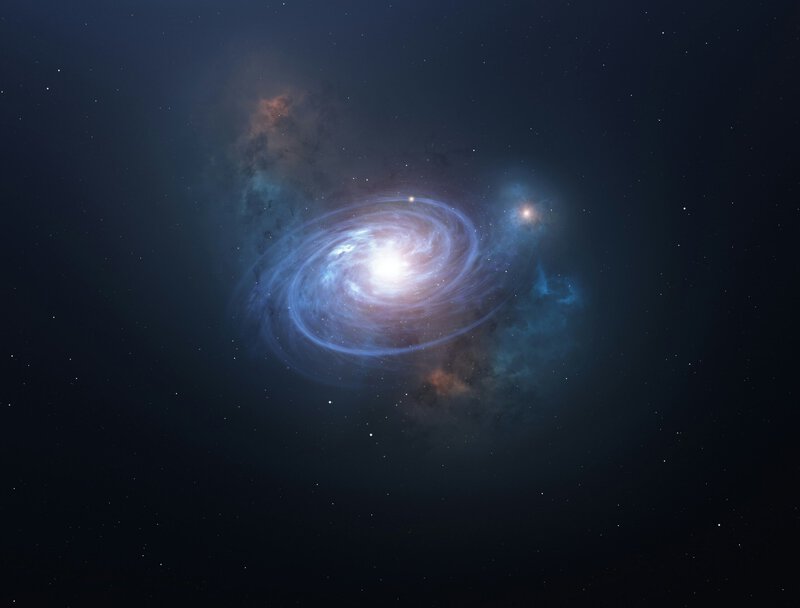
Several competing explanations have emerged, each supported by some evidence and constrained by others.
- The ejection hypothesis: Gravitational chaos during galaxy mergers or close encounters can accelerate stars to extraordinary velocities, sending them on permanent trajectories outward into intergalactic space. Once ejected, these stars have no mechanism to slow down or return.
- Tidal stripping: When galaxies collide or pass close to one another, long streamers of stars can be pulled free from their host systems. These orphaned populations drift progressively farther from their origins over billions of years, eventually appearing entirely unassociated with any galaxy.
- Dissolved dwarf galaxies: Ancient dwarf galaxies may have formed early in the universe’s history, seeded a region of space with stars, and then dissolved entirely — leaving behind a stellar population with no surviving parent structure to point back to.
- Dark matter interactions: Some theoretical models suggest that concentrations of dark matter in the intergalactic medium could, under unusual circumstances, create conditions that promote star formation outside of conventional galactic structures, though this remains speculative and is not yet supported by direct observational evidence.
Messier 30 itself is relevant to this debate. Globular clusters like M30 are thought by many astronomers to be the stripped remnants of ancient stellar systems — possibly the dense cores of dwarf galaxies dismantled by gravitational interactions long ago. If that interpretation is correct, M30’s presence in this image is not incidental; it may be a surviving example of the very process that produced the intergalactic stars surrounding it.
What Messier 30 Tells Us About Galactic History
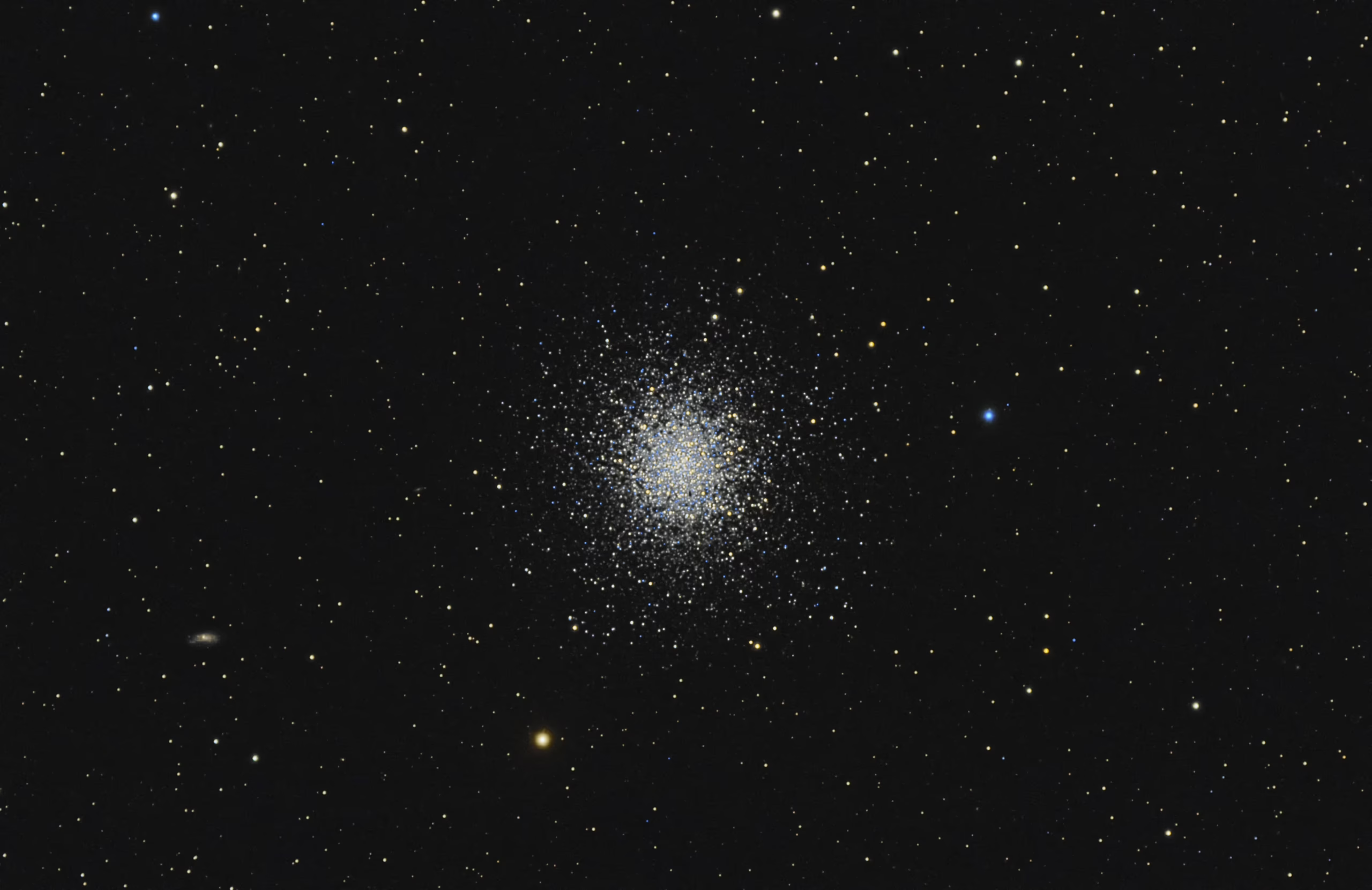
M30 is a gravitationally bound structure containing hundreds of thousands of stars. It is ancient — formed in the early universe under conditions that no longer prevail in most of the cosmos. That antiquity is precisely what makes it scientifically valuable.
Globular clusters like M30 are among the oldest surviving structures in the observable universe, making them natural archives of early galactic conditions. By studying M30 alongside the intergalactic stars visible in the same Hubble image, scientists have an opportunity to compare two radically different stellar fates side by side: a tightly bound community that has remained cohesive across billions of years, and stars that appear to have escaped all gravitational bonds entirely.
That contrast is productive. It allows astronomers to ask what factors determine whether a star remains gravitationally anchored or drifts into the void — whether the answer lies in the star’s mass, the violence of its birth environment, the gravitational history of its host system, or some combination of these.
Why This Matters Beyond the Image
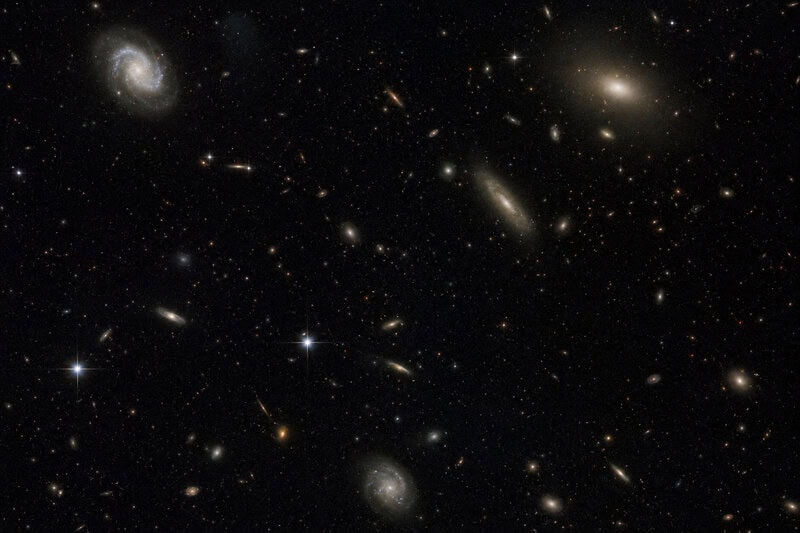
The implications of a substantial intergalactic stellar population extend well beyond this single photograph. Some estimates in the scientific literature have suggested that a meaningful fraction of all stars in the universe could be drifting between galaxies rather than residing within them — though the precise figures remain actively debated and difficult to measure with current instruments. If even a significant minority of stars exist in intergalactic space, that changes how astronomers model the universe’s total stellar census, its mass distribution, and the role of dark matter in shaping large-scale structure.
Understanding rogue star populations also informs models of galaxy evolution. If galaxies routinely lose stars through tidal stripping and gravitational ejection, then the history of any given galaxy is more dynamic and less self-contained than a simple internal view would suggest.
More speculatively — though not unseriously — intergalactic stars raise questions about habitability. Stars can host planets, and planets can, under the right conditions, support life. If a substantial number of stars drift through the void between galaxies, the question of whether any carry planetary systems, and whether those systems could sustain anything, becomes a legitimate if currently unanswerable scientific consideration.
Future observatories are expected to push these questions further. The James Webb Space Telescope has already begun probing the infrared universe at unprecedented depth. The Nancy Grace Roman Space Telescope, designed to survey wide swaths of sky with Hubble-quality resolution, could substantially expand the known census of intergalactic stars and begin testing the competing theories this image has reinvigorated.
Hubble’s Enduring Capacity to Revise Assumptions
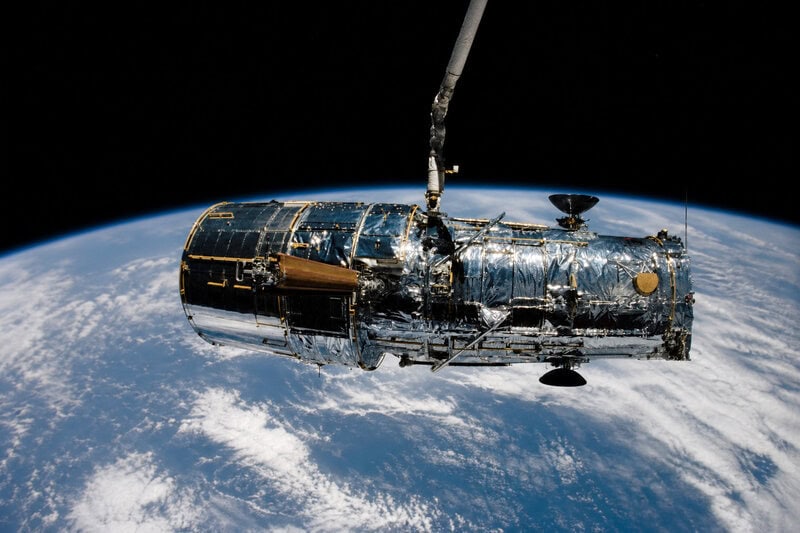
Decades into its mission, the Hubble Space Telescope continues to produce images that challenge established understanding. Every major Hubble deep-field observation has surfaced something unexpected — from the finding that apparently empty patches of sky conceal thousands of previously unknown galaxies, to now, evidence of stars existing in environments that standard models declare should be nearly vacant.
The November 2026 image of Messier 30 and its surrounding intergalactic stellar field is the latest contribution to that tradition. It is a reminder that the universe is stranger, more populated, and more structurally complex than current models fully account for — and that the most accurate thing science can say about these stellar outcasts, drifting alone in the dark between galaxies, is that their full story has not yet been told.
Astronomers will be drawing on this image as a starting point for new research in the months and years ahead. The questions it raises are real, the data are genuine, and the work of answering them is only beginning.