2. Temperature Inversions: Warm Air Above Cold Surface
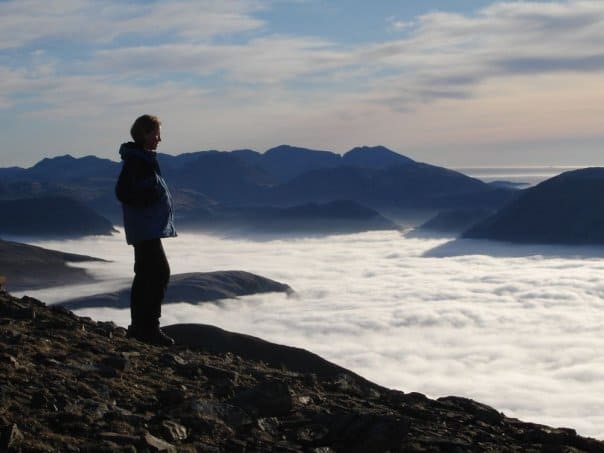
In the Arctic, temperature inversions are common, where a layer of warmer air traps cooler air near the surface, reversing typical atmospheric patterns. This phenomenon leads to the formation of ice fog, composed of tiny ice crystals suspended in the air, which can significantly reduce visibility. Additionally, inversions can cause pollutants to accumulate near the ground, degrading air quality. For a comprehensive explanation of temperature inversions, refer to NOAA’s resource on the subject. (weather.gov)