
NASA hasn’t put boots on the Moon since 1972, and returning there won’t happen simply because the ambition exists — it will happen only after a long, unforgiving sequence of engineering milestones has been cleared, one by one, in the right order. The Artemis program is the most ambitious human spaceflight effort in a generation, but ambition alone doesn’t get astronauts to the lunar surface safely. Understanding exactly what must happen — and why none of it can be shortcut — is the difference between a credible timeline and an optimistic one.
Why Test Flights Have to Come Before Everything Else
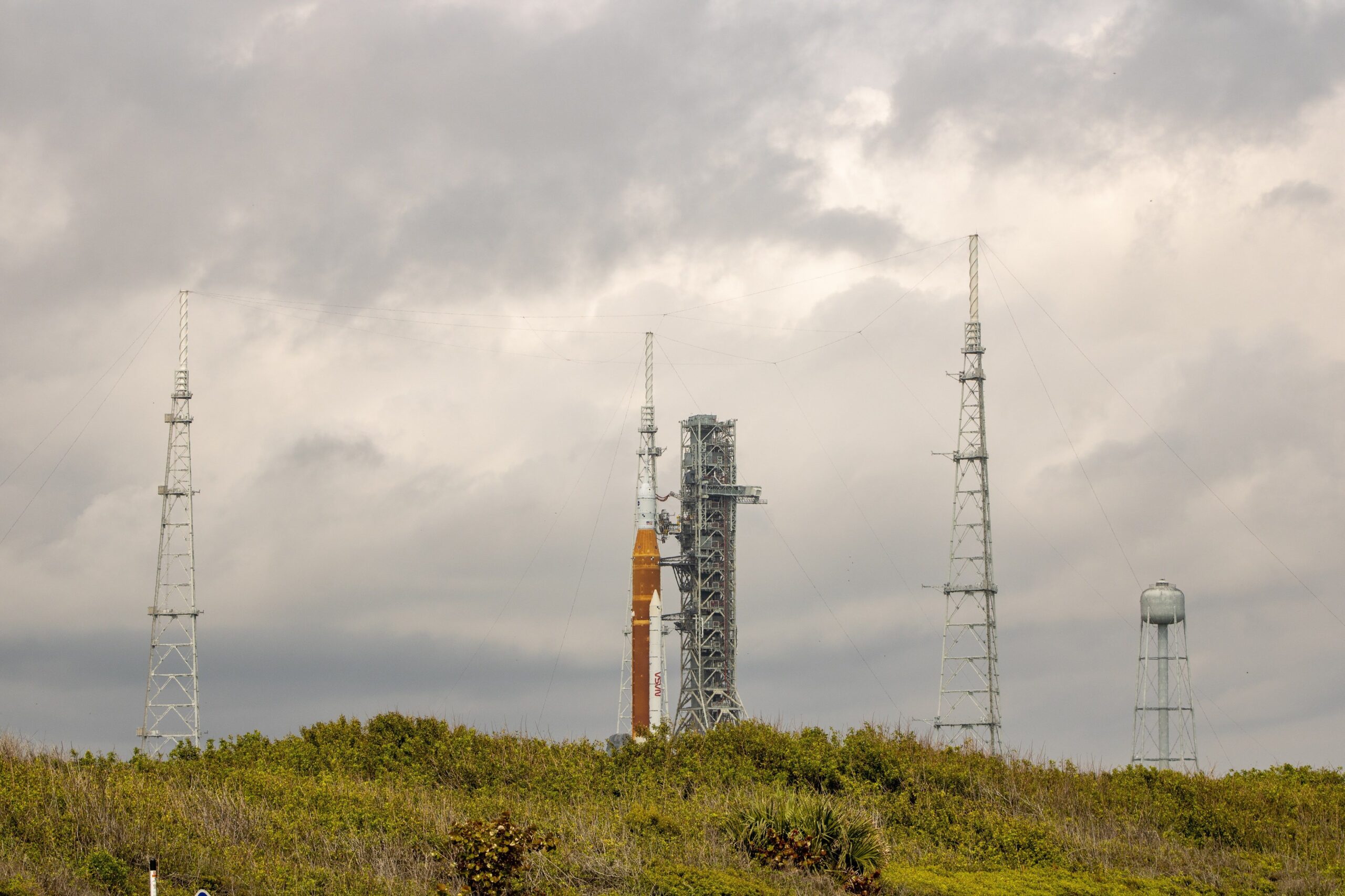
Before any astronaut can land on the Moon, NASA must first complete two sequential test flights — one uncrewed, one crewed. These are not procedural formalities. They are load-bearing gates in the Artemis timeline, and missing or compressing either one shifts the entire program, potentially by years.
The logic follows the same phased risk-reduction philosophy NASA applied during Apollo. Each mission is designed to surface problems and validate systems under real conditions before the stakes include a crew in deep space. An uncrewed flight proves the full system stack can perform as designed. A crewed flight around the Moon — without a landing — then validates life-support systems, crew procedures, and Orion’s actual deep-space performance in an environment where abort options are limited and communication delays are real. Combining or shortcutting these steps would introduce risks that neither NASA leadership nor congressional oversight has been willing to accept.
According to the GAO’s analysis of NASA’s lunar mission challenges, the accumulation of delays across parallel workstreams — rather than any single catastrophic failure — represents the greatest threat to the landing timeline. That finding makes the sequence of test flights even more critical: each must happen on time for everything downstream to remain viable.
The SLS and Orion: Hardware That Cannot Be Rushed
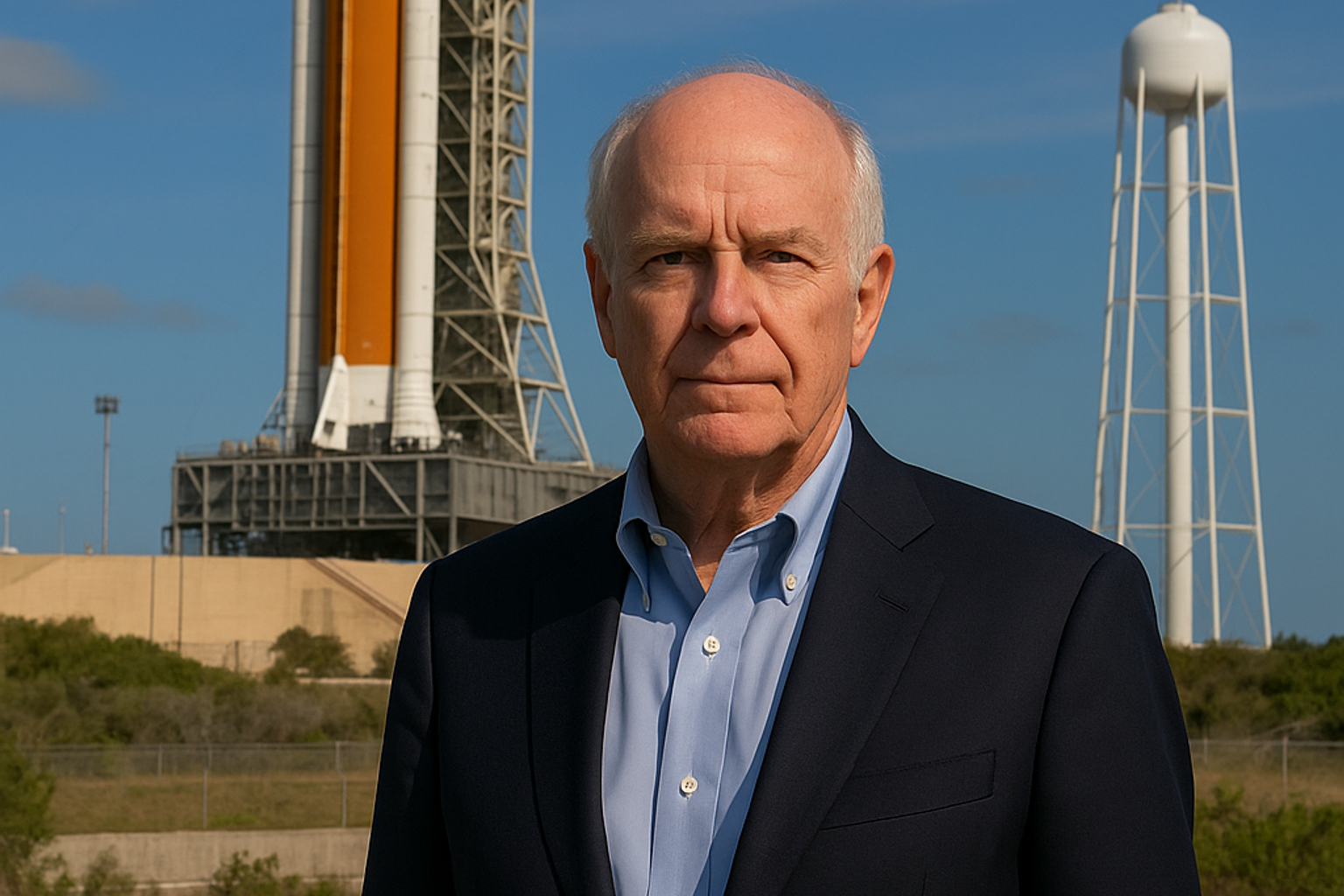
The Space Launch System is the most powerful rocket NASA has ever built, engineered specifically to push Orion and its crew beyond low-Earth orbit toward the Moon. Together, SLS and Orion form the foundational transportation architecture of Artemis — and both must perform flawlessly before a crewed lunar landing becomes possible.
Orion faces a particularly demanding technical requirement: surviving reentry from lunar return velocities of roughly 25,000 miles per hour, generating heat loads that no other currently operational crew vehicle is designed to withstand. The 2022 uncrewed Artemis I mission revealed anomalies in the heat shield, and engineers have since been investigating the root cause and redesigning affected elements. Every fix, retest, and recertification cycle consumes time, making the SLS-Orion milestone chain one of the most closely watched in the entire program.
These milestones are interdependent by design. A problem discovered in Orion’s heat shield doesn’t just affect Orion — it delays the crewed flight test, which in turn delays the landing mission that depends on what that crewed flight teaches. Program managers describe the schedule as fragile not at any single point, but across its many connections. A delay anywhere reverberates everywhere.
SpaceX Starship and the Human Landing System Challenge
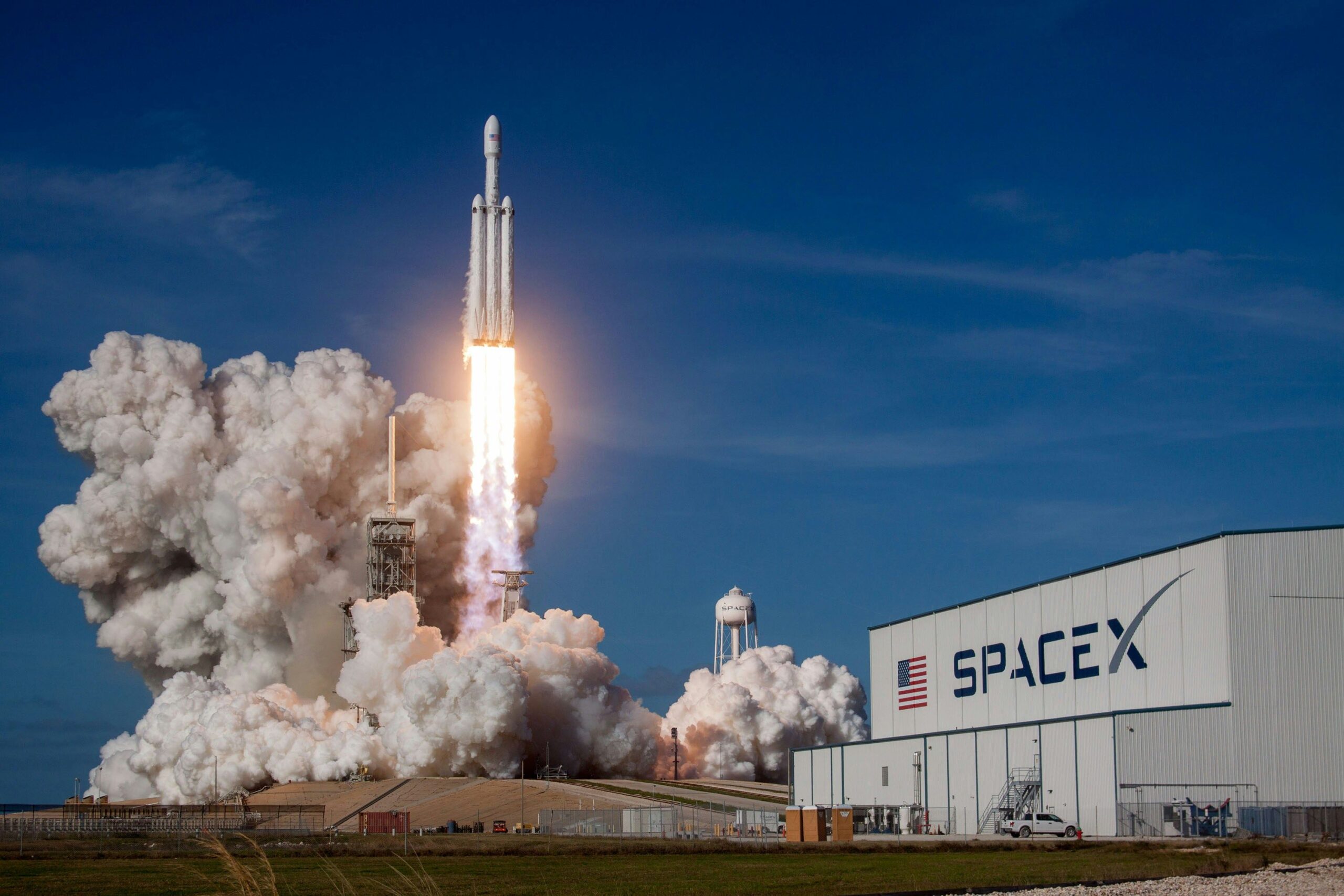
Getting to lunar orbit is only part of the problem. Getting from orbit down to the surface — and back up again — requires a separate vehicle entirely. NASA selected SpaceX’s Starship as its Human Landing System, and Starship must clear its own demanding series of milestones before it can be trusted with astronauts at the Moon.
Among the most technically novel requirements is orbital propellant transfer — refueling Starship in space using propellant delivered by separate tanker vehicles. This technique has never been demonstrated at operational scale, and it must be proven before a crewed lunar mission can proceed. Starship must also complete uncrewed demonstration flights in a lunar-capable configuration, verifying that the vehicle can perform the precision maneuvers required in the Moon’s gravitational environment.
What makes this workstream particularly consequential is its independence from the SLS and Orion schedule. The Human Landing System timeline runs largely in parallel, meaning delays in either system can combine into a compounding problem for the landing date. Two separate programs, each with their own technical challenges, must converge at exactly the right moment — a coordination challenge as demanding as any of the engineering problems themselves.
Lunar Gateway, Spacesuits, and the Human Factors NASA Cannot Overlook
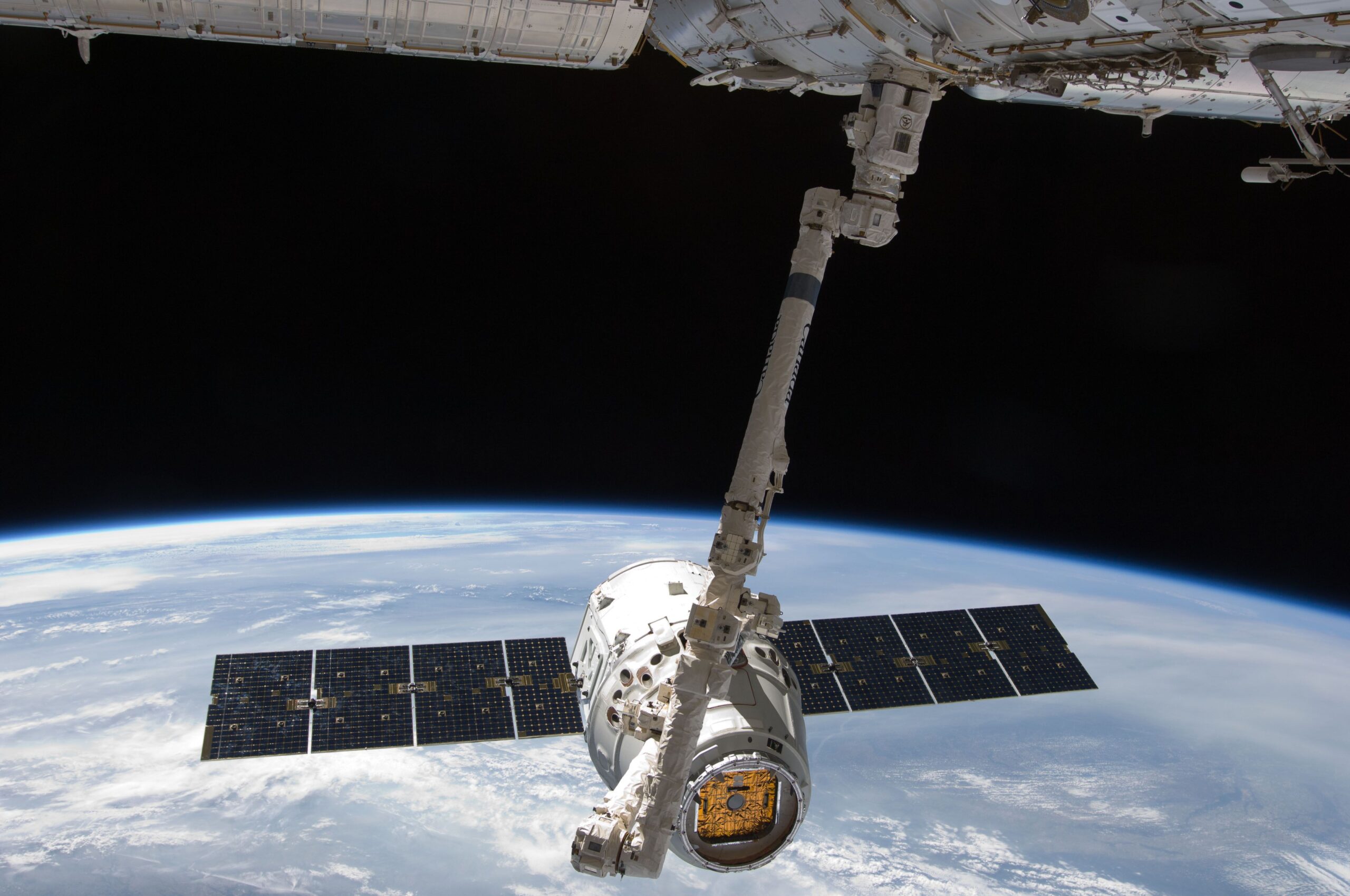
The Lunar Gateway — a small space station planned for lunar orbit — adds another layer of complexity to Artemis mission requirements. Gateway is intended as a long-term staging point for surface missions and deep-space research, with international partners including ESA, JAXA, and the Canadian Space Agency contributing hardware. NASA has indicated that Gateway is not strictly required for the first crewed landing, which preserves some scheduling flexibility, but its development remains a significant parallel workstream with its own milestone dependencies. The power and propulsion element and the habitation module are both under development, and their readiness relative to the first landing mission remains a subject of active debate within the program.
Spacesuits carry equal weight in determining whether a landing date is realistic. Axiom Space is developing next-generation lunar surface suits under NASA contract, and those suits must be fully tested and certified before astronauts can walk on the Moon. The lunar surface environment — its terrain, reduced gravity, and pervasive abrasive dust — differs significantly from anything that can be fully replicated on Earth or aboard the International Space Station. That gap drives requirements for new training protocols and mission control procedures tailored specifically to deep-space surface operations, none of which can be improvised at the last moment.
Budget and Political Will: The Constraints Engineers Cannot Engineer Around

Technical milestones dominate the Artemis conversation, but sustained funding is what makes technical progress possible. Budget continuity from Congress is not a peripheral concern — it is a foundational enabler. Funding gaps have historically ranked among the leading causes of schedule slippage in NASA’s major programs, and Artemis is not immune. Every year a critical workstream is underfunded, the narrow launch windows that align the Moon’s position with the orbital mechanics of a landing mission become harder to hit. Orbital mechanics do not negotiate.
Political transitions also introduce uncertainty. Large-scale programs that span multiple administrations are vulnerable to shifting priorities, reorganized contracting strategies, and revised timelines that reflect new leadership preferences rather than new engineering realities. Artemis has already experienced this pressure. Staying on track requires not just sustained funding but sustained institutional commitment — a consistency that has historically been one of NASA’s hardest resources to secure.
What Staying on Track Actually Demands
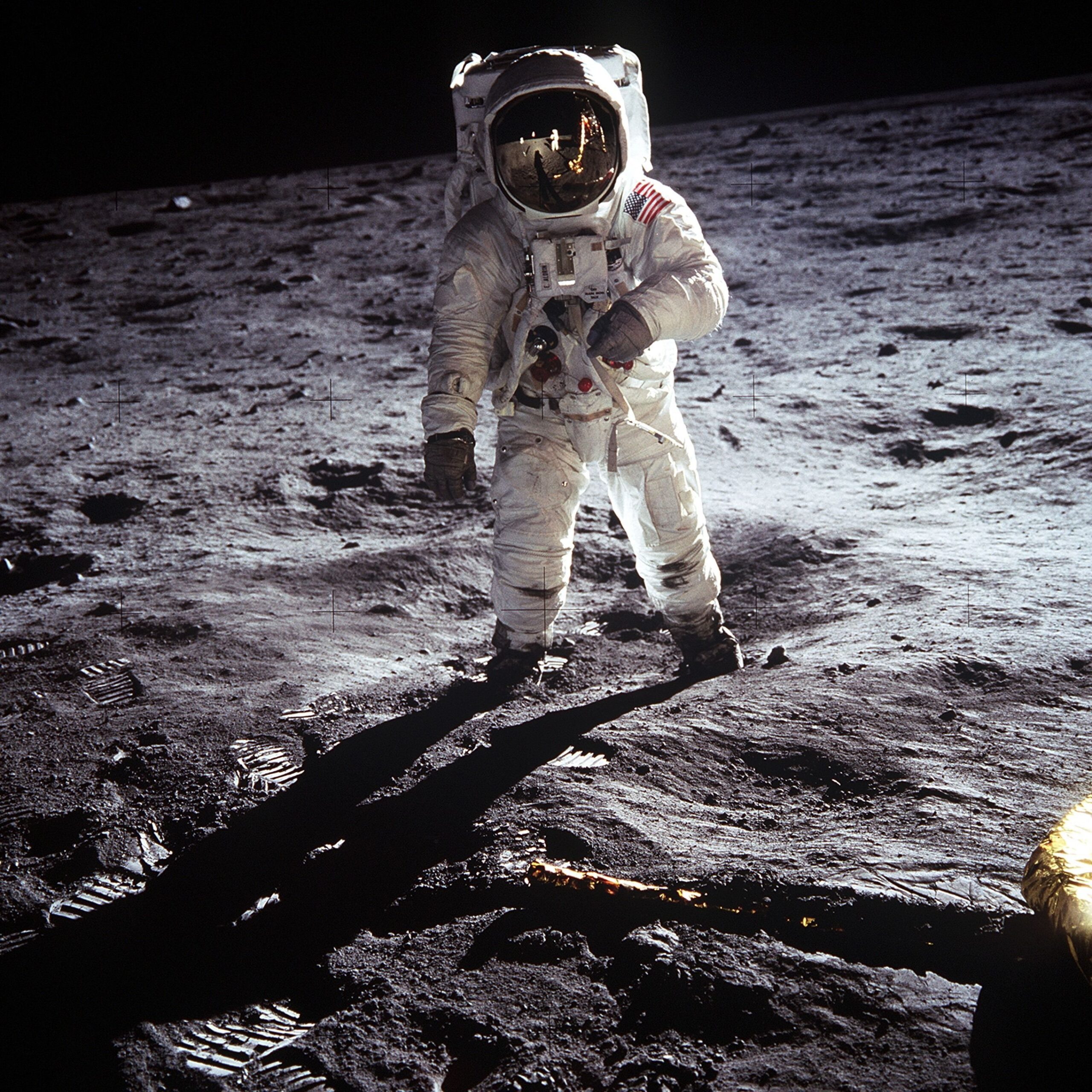
The stated purpose of the Artemis program is to send astronauts on increasingly difficult missions to explore more of the Moon for scientific discovery and economic benefits. That goal is well-documented. But the gap between a documented plan and an executed landing is filled entirely with engineering discipline, institutional consistency, and sustained political will — none of which appear automatically.
The checklist before astronauts land on the Moon includes a successful crewed Orion flight, a proven Starship landing system, validated propellant transfer in orbit, certified spacesuits, trained crews and flight controllers, and a coordinated international partnership — all converging within a schedule that punishes accumulated delays without exception. None of these steps can be waived. None can be compressed by optimistic timeline projections disconnected from technical reality.
The Moon is not going anywhere. But the window to land there — safely, credibly, and on a timeline that maintains the program’s momentum and international commitments — depends entirely on whether that checklist gets cleared in sequence, on time, and without shortcuts that trade near-term appearances of progress for long-term risk.