
Every week, the average person ingests roughly the equivalent of a credit card’s worth of microplastics — fragments of synthetic polymer so small they can slip through the gut lining and into the bloodstream. For decades, science has catalogued the scale of this exposure without offering a reliable biological way to interrupt it. A 2026 study by South Korean researchers may have just changed that conversation, pointing to an unexpected candidate already sitting in many people’s refrigerators: the live bacteria inside a jar of fermented cabbage.
What the 2026 South Korean Study Actually Found
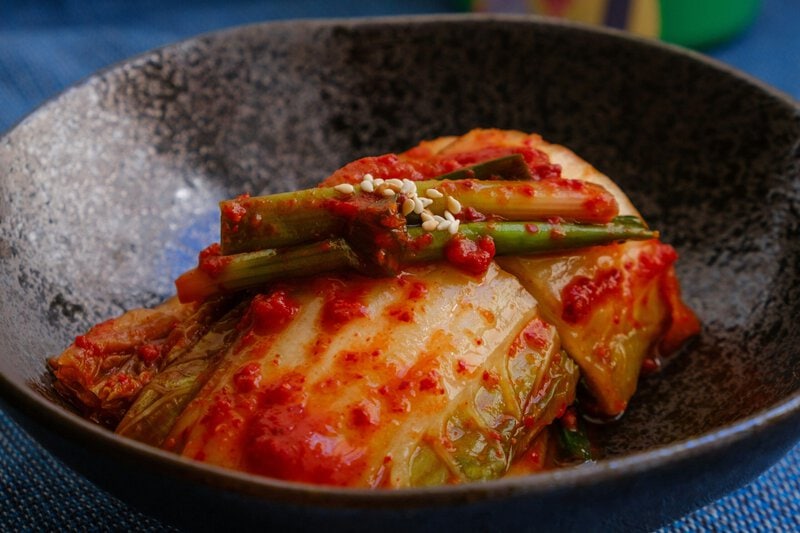
The research centered on a probiotic bacterium isolated from kimchi — the traditional Korean fermented-cabbage dish. In a controlled laboratory binding model, the bacterial strain bound to 57 percent of the nanoplastic particles it encountered. The study went a step further: in a live-animal trial, mice given the probiotic strain excreted double the amount of nanoplastics compared to control mice that did not receive it. The kimchi-derived probiotic was found to promote binding and excretion of intestinal nanoplastics, according to coverage of the findings.
Precision about terminology matters here. The study focused specifically on nanoplastics — plastic fragments smaller than one micrometer, a scale so fine that individual particles can cross cell membranes and potentially enter the bloodstream and organs. These are distinct from the slightly larger microplastics most people picture when they hear the term. Because nanoplastics are the most biologically penetrating category of plastic pollution, they are also the most urgent to address — which is why this particular mechanism drew immediate scientific attention.
The study’s limits deserve equal prominence. These are early-stage results generated in laboratory models and in rodents. No human clinical trials have been completed. Translating findings from a mouse gut to a human gut requires navigating substantial differences in microbiome complexity, digestive chemistry, and plastic exposure patterns. The 2026 study does not establish a treatment; it establishes a mechanism worth investigating further.
Meet the Microbe: Lactobacillus and Its Plastic-Binding Mechanism
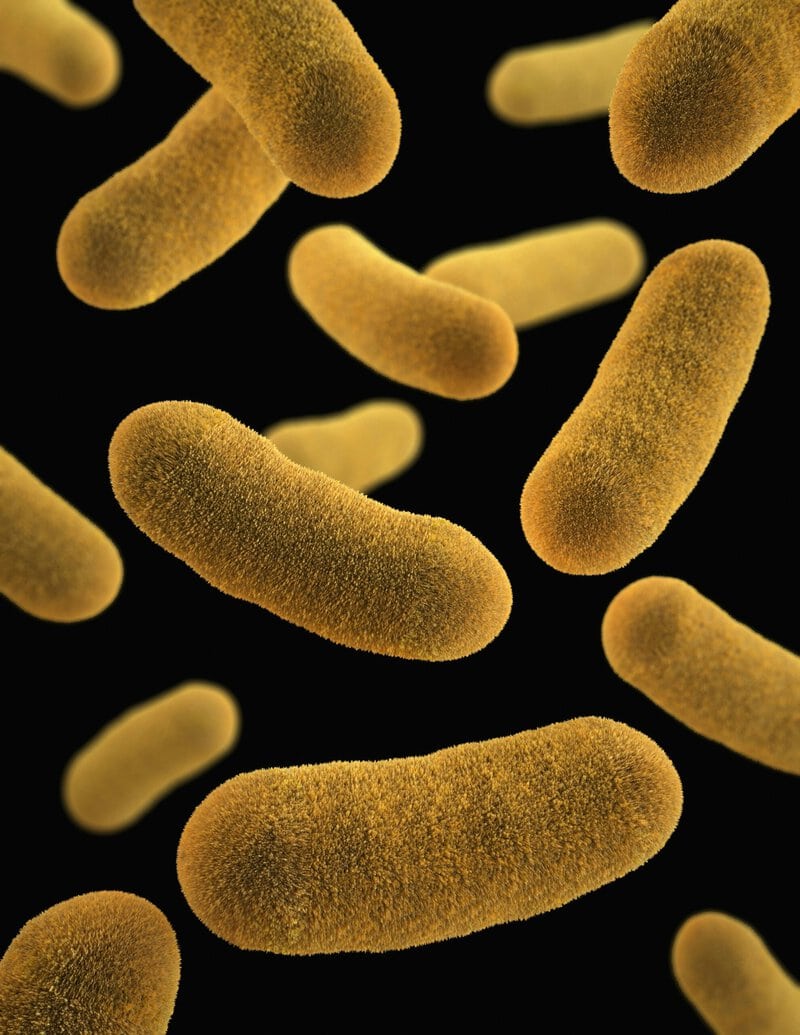
The bacterium at the center of the research belongs to the genus Lactobacillus — a large family of lactic-acid-producing microorganisms responsible for fermenting vegetables such as kimchi and sauerkraut. Different species within this genus have been studied for gut-health benefits for decades, and several strains are already approved ingredients in commercial probiotic supplements and yogurts. The safety profile of Lactobacillus is well established; its plastic-clearing potential is not.
What makes the kimchi-derived strain distinctive, according to the researchers, is its surface architecture. The bacterium produces surface proteins and exopolysaccharides — sticky, sugar-based coatings that form on the outside of the bacterial cell wall — that physically adhere to nanoplastic particles. By binding to those particles, the bacterium prevents them from lingering in the gut long enough to cross the intestinal epithelium, the single-cell layer lining the intestine through which absorption into the body would otherwise occur.
The connection to sauerkraut is direct and practically important for Western audiences. Sauerkraut is fermented cabbage produced using closely related Lactobacillus strains, making it the Western dietary parallel to kimchi. The biological mechanisms at work in a Korean kimchi crock and a German sauerkraut barrel are, at the genus level, closely analogous. That is why coverage of this research has framed fermented cabbage broadly — not kimchi alone — as the vehicle for this finding, and why the phrase “fermented cabbage microplastics” has become natural shorthand for the story.
Adsorption, Not Digestion: The Precise Mechanism Explained
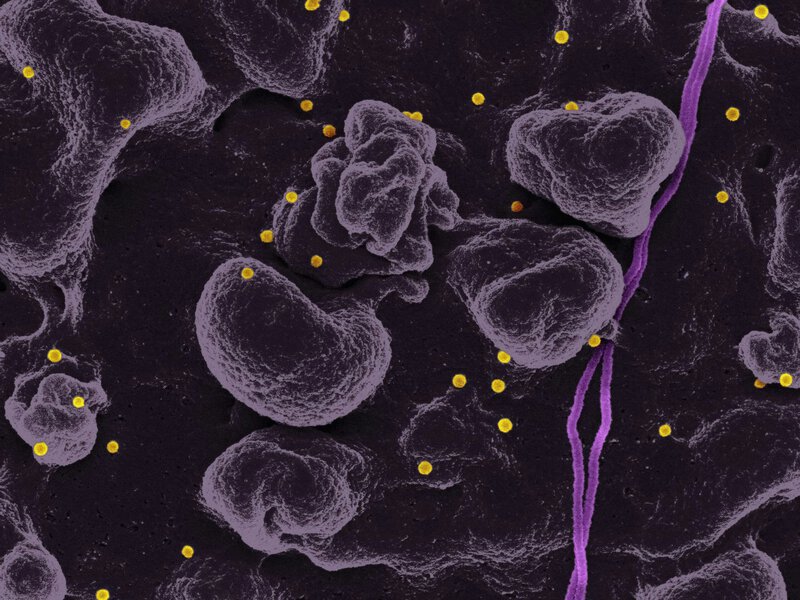
A common misreading of this research is the assumption that the bacteria “eat” or chemically break down plastic. That is not what the study describes. The mechanism is adsorption — a process in which plastic particles stick to the surface of the bacterial cell, much as dust clings to a lint roller, rather than being chemically digested or decomposed. The bacterium does not metabolize the plastic; it physically traps it.
Think of the bacteria as microscopic escorts moving through the intestinal tract, picking up plastic particles along the way and carrying them toward excretion before those particles can be absorbed through the gut lining. Once the bacterium passes through the digestive system and is expelled, it takes the bound plastic with it. This is why the key metric in the animal trial is not a laboratory dish result but a real biological outcome: mice that received the probiotic excreted measurably more plastic than those that did not.
The significance of that excretion finding is substantial. Nanoplastics that are not intercepted tend to accumulate at the gut wall, where they can trigger inflammation, disrupt the intestinal barrier, and, in sufficient quantities, migrate into organs. Any intervention that interrupts that accumulation and routes plastic particles out of the body via normal digestion represents a genuinely new category of approach — at least in principle, and at least in mice.
How This Research Fits the Broader Science of Microplastic-Interacting Bacteria
The 2026 South Korean study does not emerge from a vacuum. Since the discovery of Ideonella sakaiensis — a soil bacterium that produces enzymes capable of chemically breaking down PET plastic, the polymer used in most plastic bottles — researchers have been systematically cataloguing microorganisms with plastic-interacting abilities. That body of work has revealed a spectrum of microbial strategies, from slow enzymatic degradation over years or decades to faster surface-binding interactions.
The kimchi-derived probiotic belongs to the second, faster category, and to a medically more relevant sub-field: probiotic strains that operate on the timescale of digestion rather than geological time. Science Daily’s coverage of the probiotic findings places this research within a growing effort to find biological interventions that work inside the human body, not just in the external environment.
Other approaches are also under active investigation. Activated charcoal supplements, which can bind to toxins in the gut, have been proposed as a nonspecific plastic-trapping agent, though evidence for this use remains limited. Dietary fiber has been shown to reduce gut transit time and may reduce plastic contact with the intestinal wall. Engineered enzyme therapies — synthetic versions of the enzymes found in plastic-degrading bacteria — represent a longer-term research direction. The probiotic approach is one of several credible candidates, not a sole contender.
What remains genuinely unknown is whether the binding capacity observed in controlled laboratory conditions survives the acidic, enzyme-rich environment of an actual human gut. The gut is a chemically hostile space, and many promising in-vitro results have failed to survive contact with real digestive biology. Bridging that gap between the laboratory model and the living person is the central challenge this line of research must now address.
Should You Eat More Sauerkraut? What the Evidence Actually Supports
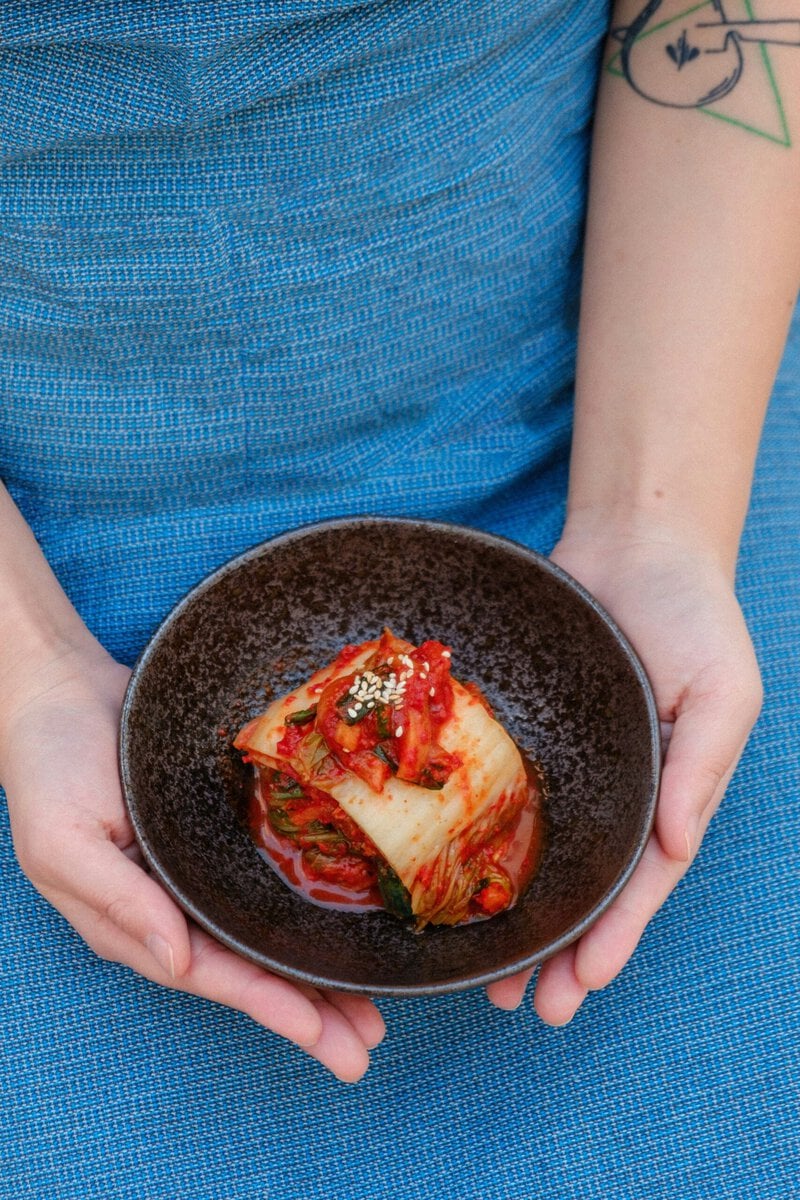
The honest answer is that no study has yet demonstrated that eating sauerkraut, kimchi, or any other fermented food reduces a measurable microplastic load in a human being. The leap from a 2026 mouse study to a dietary prescription is scientifically premature, and any source claiming otherwise is overstating what the data shows.
What the evidence does support — and has supported for some time — is that regular consumption of fermented foods containing live Lactobacillus cultures is associated with well-documented gut-health benefits. Chief among these is improved gut-barrier integrity: a stronger, less permeable intestinal lining that is independently less susceptible to the kind of nanoplastic absorption the 2026 study is trying to prevent. That benefit is real, established, and does not depend on the plastic-binding mechanism being confirmed in humans.
A proportionate takeaway looks something like this: incorporating fermented foods — sauerkraut, kimchi, kefir, plain yogurt with live cultures — is a low-risk dietary habit with a credible evidence base for gut health. Medical commentary on the research has noted that if the plastic-binding mechanism proves out in human trials, fermented foods may carry an additional and significant advantage. That conditional framing is the appropriate one for now.
One caution deserves plain statement: the probiotic industry has a documented history of commercializing early-stage findings before the science has matured. Consumers should be skeptical of any product marketed as a “microplastic-clearing probiotic” before robust human trial data exist. The 2026 South Korean study is promising enough to justify further research; it is not sufficient to justify a product claim.
Open Questions the Research Has Not Yet Answered
Several specific scientific gaps must be closed before this finding can inform clinical guidance. First, the study used polystyrene nanoplastics as a model particle — a common and practical choice in laboratory research, but one that may not represent the full range of polymer types humans actually ingest. Whether the bacterium binds equally well to polyethylene, polypropylene, PET, or the mixed-polymer fragments typical of real-world food and water contamination is not yet known.
Second, the study does not address dose-response relationships. Does consuming more fermented food produce proportionally more binding? Is there a threshold below which the effect is negligible, or a ceiling above which additional consumption yields no further benefit? These are fundamental questions for anyone designing a future human trial.
Third, and most practically, commercial sauerkraut and kimchi vary widely in their live bacterial content. Pasteurized versions — the majority of shelf-stable products — contain no live cultures at all. Any dietary recommendation predicated on this research applies only to products that are unpasteurized and explicitly labeled as containing live cultures, a distinction that many consumers do not currently make.
What Comes Next: The Road from Mouse Study to Human Evidence
The standard scientific pipeline between a promising animal study and a clinically actionable recommendation is long and deliberately rigorous. The 2026 findings must first be replicated by independent laboratories — ideally across multiple countries and using different nanoplastic polymer types. Replication is not a formality; it is the primary check against false positives in any scientific field, and probiotic research has seen its share of results that did not survive independent scrutiny.
After replication, researchers must establish whether the mechanism holds in a human gut with its far more complex microbial community and more variable chemistry than a rodent model provides. Phase I safety trials and dose-finding studies would follow, then Phase II trials measuring whether probiotic supplementation produces a detectable and meaningful reduction in nanoplastic body burden in human participants — a measurement that itself requires validated biomarkers not yet fully standardized in the field.
Beyond the biology, the policy dimension of this research deserves acknowledgment. Even a confirmed, effective probiotic strategy would address plastic exposure at the level of the individual body — a meaningful but limited intervention. It would do nothing to reduce the estimated eight million metric tons of plastic entering the ocean each year, or the industrial and agricultural sources that introduce plastic particles into food, water, and air in the first place. Individual biological defenses and systemic policy solutions must advance in parallel; one does not substitute for the other.
The 2026 South Korean study does not hand us a solution to the microplastic crisis. What it does — and what makes it genuinely significant — is identify a precise biological mechanism, locate it inside a safe and widely consumed category of food, and give researchers a concrete and testable hypothesis to pursue. In a field that has spent years describing a problem without offering a biological pathway out of it, that is meaningful progress.