Dire Wolves
Historic Period: Late Pleistocene to Early Holocene Epochs
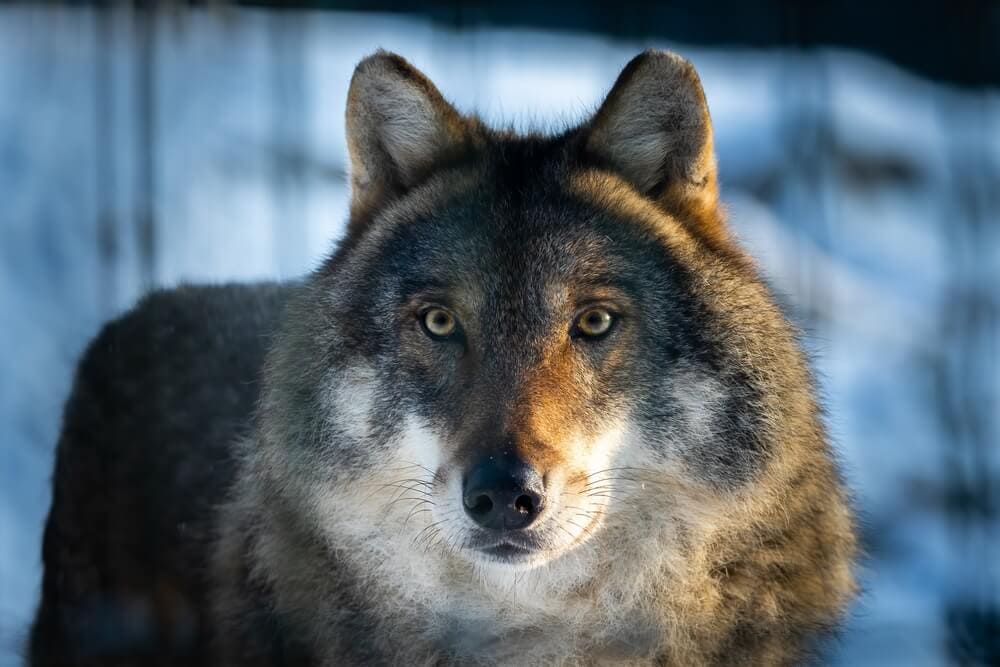
When you hear or see anything regarding Dire Wolves, you automatically think of them from fantasy movies or television shows. The shows get them somewhat accurate, allowing them to usually look a lot like a normal wolf but much larger than any you’d see today. Their fossils certainly prove this to be the case, as they were most certainly large creatures in their time. In fact, they are the largest species of wolf and among the largest canine species pound-for-pound.
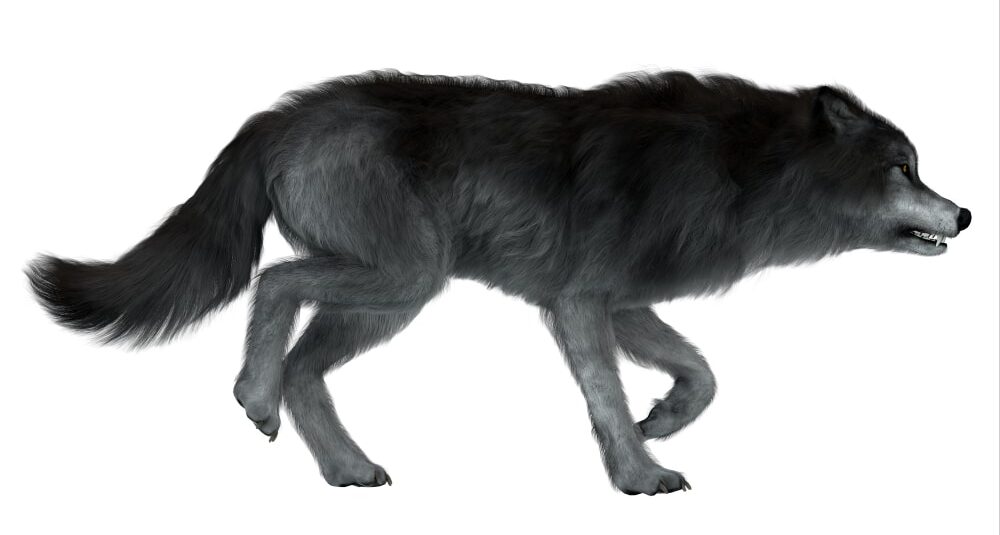
They went extinct in the early Holocene period, just under 10,000 years ago. A lot of things led to their downfall, but the main reason is said to be climate change. Evolutionary factors led to this wolf species being far too large and nowhere near as quick as it needed to be. Other animals could easily escape the Dire Wolf species or outcompete them for food. That led to their decline as much as anything else. Yet when they were alive, they were among the most threatening prehistoric predators.