Quetzalcoatlus
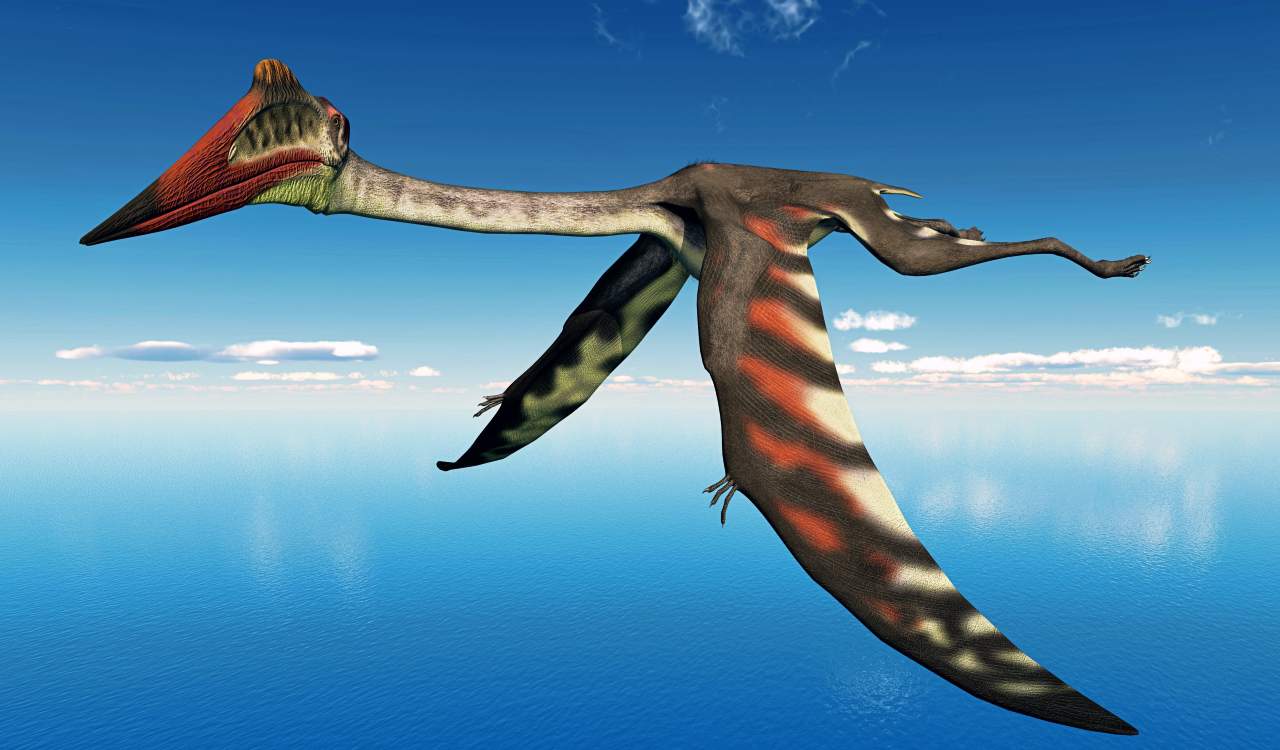
Historic Period: Late Cretaceous
The Quetzalcoatlus was a tremendous flying predator that could be related heavily to the pterosaur. They lived around the same time, but are unlikely to have always shared similar airspace. The Quetzalcoatlus was originally discovered in Texas by Douglas A. Lawson in 1971. A Geology Grad student at the University of Texas at Austin, Lawson’s discovery was not intentional but turned out to be a huge deal.
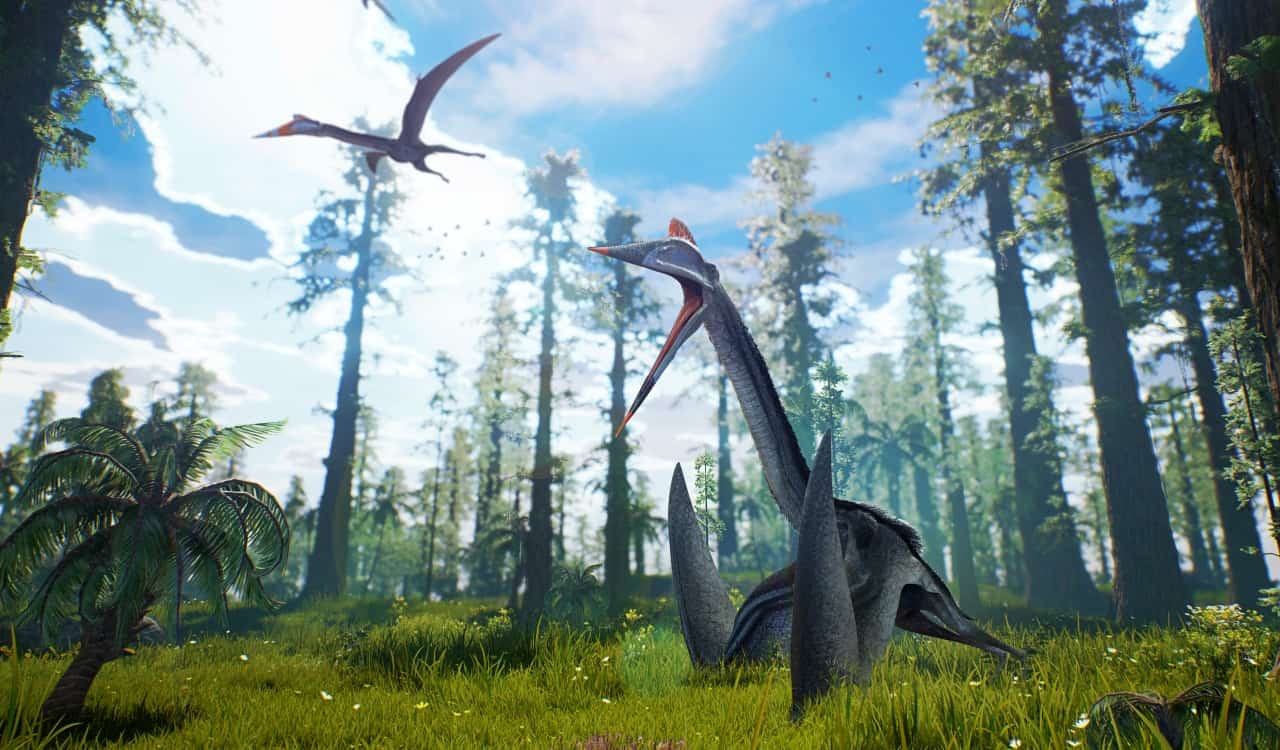
This discovery turned out to be major to science, as Lawson found what would come to be known as the largest flying creature of any kind to ever live. It was traced back to the Cretaceous period, putting it in some major company. While the wings were naturally large, the species also had an incredibly large, pointed beak. It could likely pierce through some animals. The talons it had were also massive and sharp. All of this makes it one of the most threatening prehistoric predators in our book.