Executioner Wasp
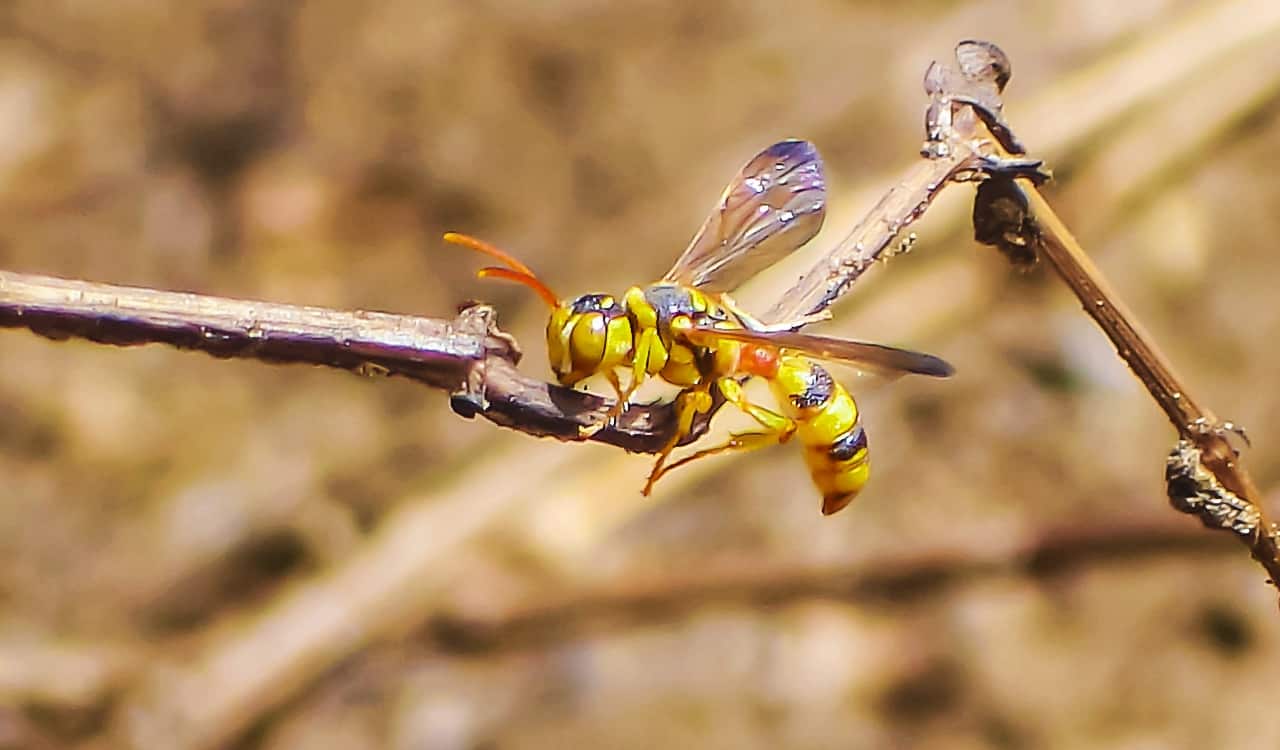
The Executioner Wasp, with its striking black and red markings, is a notable insect known for its predatory prowess. This wasp species prey upon other insects, using its venomous sting to paralyze its victims. Once immobilized, the wasp transports its prey to its nest, where it becomes a live food source for the wasp’s developing larvae. In the microcosm of their colonies, Executioner wasps adhere to a distinct hierarchy where the queen occupies the pinnacle, while a second-in-command holds a position just beneath her. Similar to the social structures observed in mammalian societies, this hierarchy is upheld through specific behaviors, such as who feeds first.
The sting of the Executioner Wasp is reputed to be the most excruciating and venomous globally. When faced with a threat, this wasp administers a powerful sting that ranks at level four (the highest level) on the Schmidt pain index. Are Executioner wasps hostile? Despite their sting’s intense discomfort, Executioner wasps generally display non-aggressive behavior. The executioner wasp’s native range is in Central and South America. It is commonly found in Mexico, Paraguay, Argentina, and some parts of Brazil. The species prefers to live in humid coastal areas and open areas like evergreen tropical forests.