BAC MUSTARD
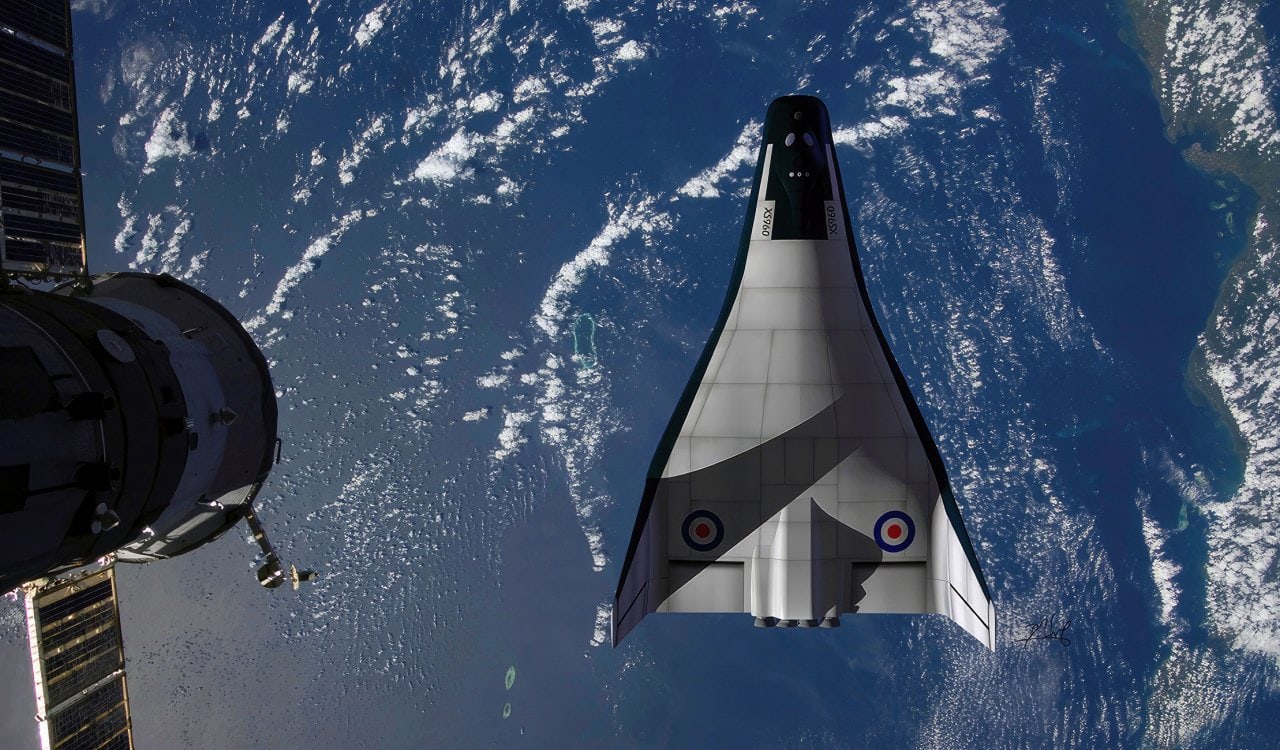
Concept Led By: BAC/British Government
Companies Involved: BAC/BAE Systems
The British Aircraft Corporation came up with something known as the Multi-Unit Space Transport and Recovery Device or MUSTARD. The design of the spacecraft would be to operate as a reusable launch system, which BAC came up with in the 1960s at the height of the USA/Russia Space Race. This is a multi-stage rocket design, and each individual stage seemed to have nearly identical spaceplane modules. These stages were hypersonic vehicles capable of reaching speeds over five times the speed of sound, which means they exceeded MACH-5. These rockets would have launched vertically, with each stage progressively separating during the ascent.
After the separation, the stages/planes would individually fly themselves back toward a landing spot. The final spaceplane is designed to be capable of attaining such an altitude that it would be able to reach a sub-orbital trajectory. It too would then come back but under a controlled return. Due to the parts returning and landing, they could be reused numerous times. The MUSTARD was able to launch payloads of up to 5,000lbs into orbit. While MUSTARD was between 20 to 30 times cheaper than America’s Apollo Program, the British Government was not willing to pay for it. BAC nor its successor, BAE Systems, could afford to make it without financial help. The MUSTARD designs have been utilized heavily and the expertise from all of this helped in the development of other spacecraft designs or equipment.