4. Celebrate Marie Curie’s Legacy (November 7th)
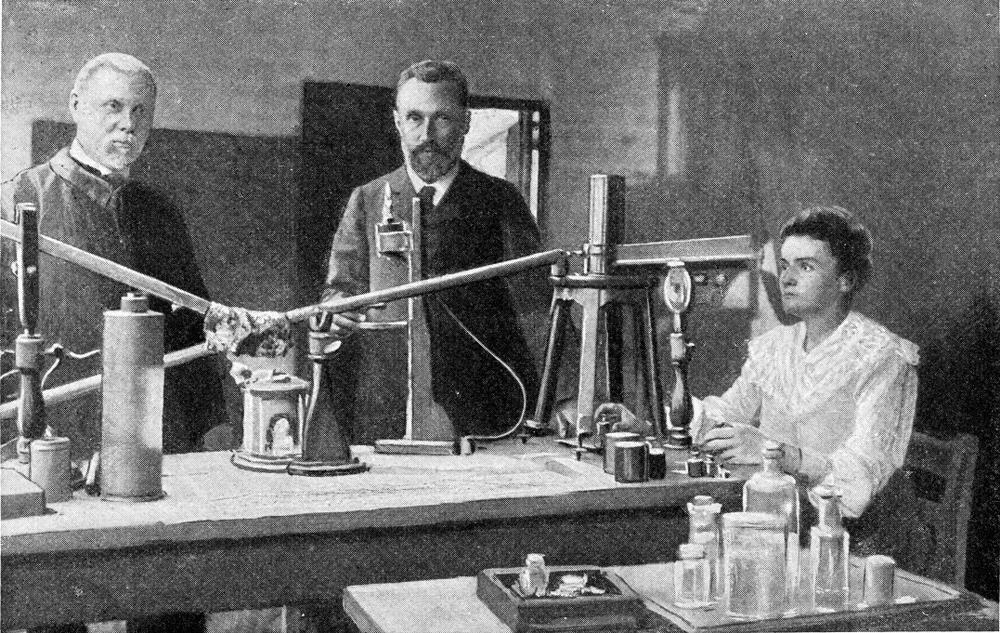
Marie Curie was a physicist and chemist. People consider her a key person in researching radioactivity, discovering radium and polonium. She found them with a technique that she invented that isolates radioactive isotopes. She is the first woman to win a Nobel Prize in physics. Curie did so with her husband, Antoine Henri Becquerel, in 1903 for their studies in spontaneous radiation. They were the first married couple to with a Nobel Prize. She later won another one in 1911 in chemistry. This award was for her work with radioactivity and finding polonium and radium. Marie Curie is the only person and only woman to win two Nobel prizes in two different scientific fields.
After her husband died in an accident in Paris, she occupied his position as a chemistry professor at the University of Paris. Again, she set a record, making her the first woman to become a professor there. In 1920, she founded the Curie Institutes in Paris. Later, she opened one in Warsaw, where they major in doing medical research. During World War I, Marie Curie created mobile radiography, which was essential in field hospitals. After years of radiation exposure while doing her research, she died of aplastic anemia. The radiation contamination she went through during her career was excessive. There was so much that all her notebooks, cookbooks, and personal papers are locked in lead-line boxes. To inspect her documents, they need to use protecting clothes. Let’s learn more about her amazing legacy in science as we celebrate Marie Curie on November 7th.