
LATEST POSTS
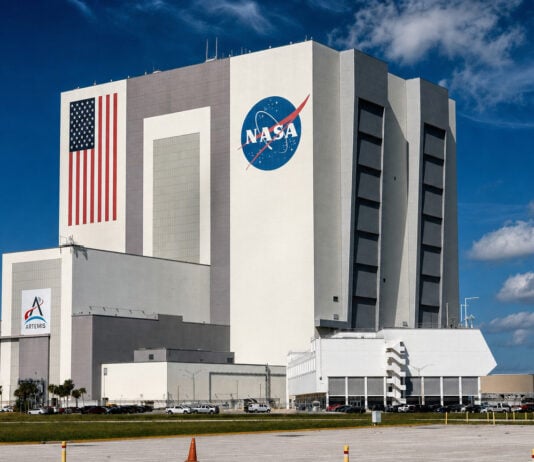
NASA Avionics License Gives Rocket One an AI-Powered Spacecraft Shortcut
Rocket One has secured a NASA patent license for its Affordable Vehicle Avionics system, using the proven flight-computing architecture as the foundation for an AI-enabled spacecraft engineering and mission-planning platform that could dramatically reduce development costs for commercial operators.
70% of Adults Have Sleep Problems — Science Says We Blamed the Wrong Cause
Sleep problems affect up to 70% of adults worldwide, but emerging research shows that stress, anxiety, and bad habits are only part of the picture — biological vulnerabilities and clinical misdiagnosis are playing a far larger role than most people realize.
The Many-Worlds Physics Behind Marvel’s Multiverse Is Real — With One Catch
Hugh Everett's Many-Worlds Interpretation proposes branching parallel realities that real physicists take seriously — yet the same theory proves Marvel's multiverse travel is physically impossible.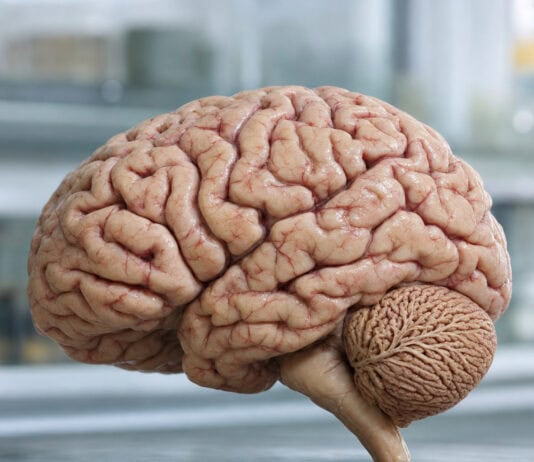
Cerebrum Is 85% of Brain Weight but Cerebellum Has 69 Billion Neurons
The cerebrum dominates the human brain by size and weight, controlling movement, sensation, and thought — but the far smaller cerebellum contains most of the brain's neurons and is rewriting what scientists thought they knew about cognition and emotion.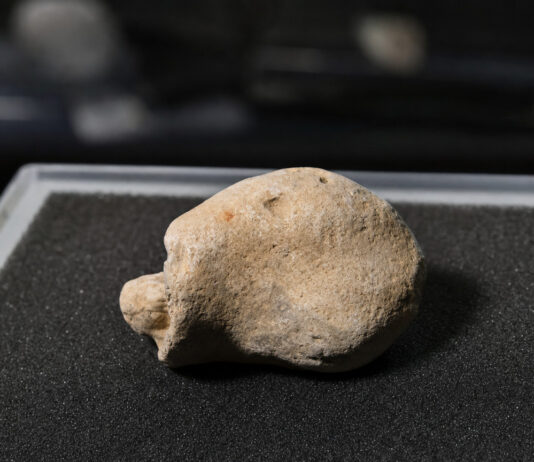
200,000-Year-Old Homo Skull Found in Spain Rewrites Iberian Prehistory
A hand-sized fragment of skull catalogued as RVH-1, dated to between 200,000 and 224,000 years old, is the first cranial fossil ever recovered from Spain's Ruidera site — and it's forcing researchers to rethink which archaic Homo populations occupied the Iberian Peninsula during the Middle Pleistocene.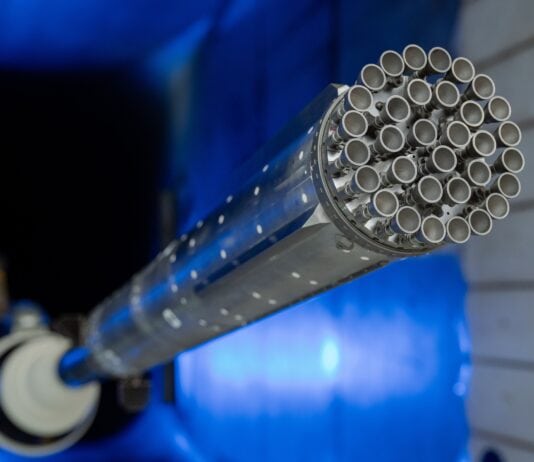
SpaceX Starship Is Too Big for Wind Tunnels — NASA Solved It at 1.2% Scale
Because Starship's diameter exceeds the usable width of most high-speed wind tunnels, NASA and SpaceX engineers tested a precision-fabricated 1.2% scale model at NASA Ames, generating transonic aerodynamic data essential for safe re-entry and flight control.Load More
TOP POSTS
January 26, 2026

January 26, 2026

January 26, 2026

EDITOR PICKS
December 12, 2024


December 6, 2024
