
LATEST POSTS
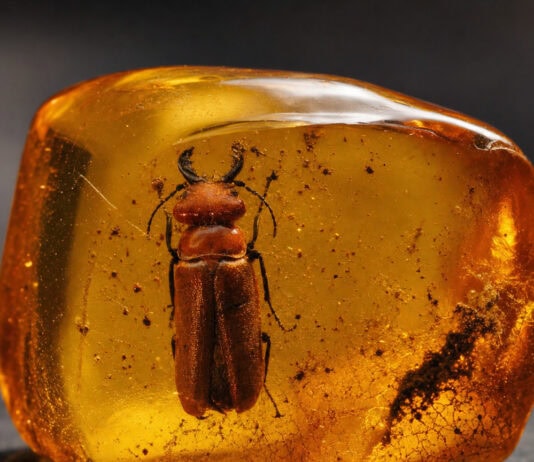
100-Million-Year-Old Beetle Fossil Proves Firefly Glow Evolved Far Earlier
A thumbnail-sized beetle encased in 100-million-year-old amber has preserved both a light-emitting organ and elaborate chemosensory antennae, pushing back the confirmed fossil record of firefly-like bioluminescence by tens of millions of years.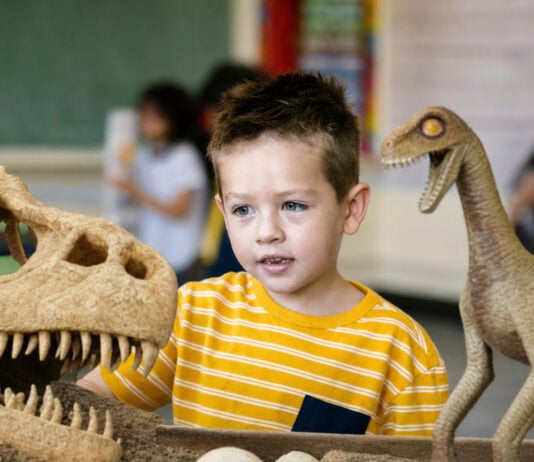
Dinosaur Discovery at Birchwood School Shows Why Fossil Awe Rewires Kids’ Brains
When dinosaur bones and fossils emerged from Birchwood School's grounds, students entered a state of neurological awe — one researchers say opens the brain to deeper, longer-lasting learning. New science explains exactly why paleontology is such a powerful classroom tool.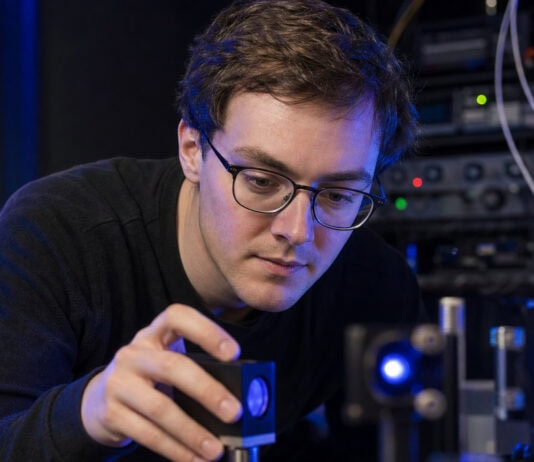
Chip-Scale Lasers Could Finally Run Relativity Tests in Orbit
An international research team has shrunk precision laser optical systems by roughly tenfold, making it feasible to run fundamental physics experiments — including tests of Einstein's theories — aboard small satellites in orbit.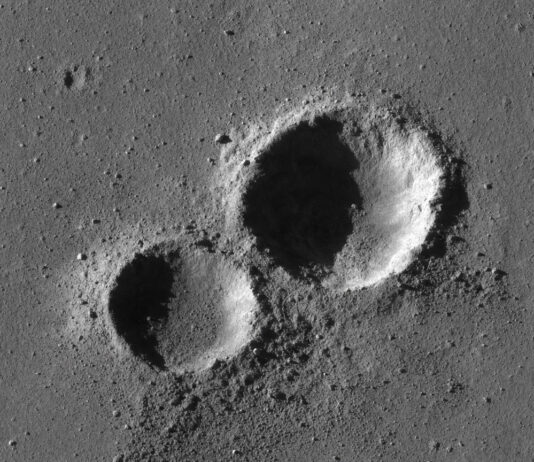
SpaceX Rocket Hit the Moon at 5,400 mph — and Left a Crater No One Can Explain
NASA's Lunar Reconnaissance Orbiter confirmed a wayward SpaceX Falcon 9 upper stage struck the moon's far side, leaving behind an anomalous double crater — two overlapping impacts that no human-made object has ever produced before and that current impact models cannot fully account for.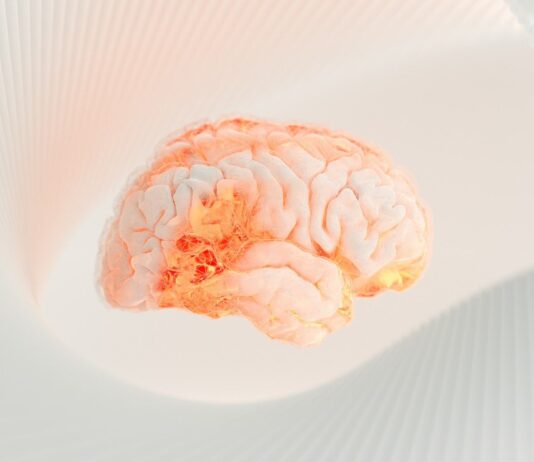
Fandom Happiness Study Crowns Stray Kids Fans #1 Out of 106 Artists
A large-scale sentiment analysis of over 1.5 million Reddit comments ranked Stray Kids' fandom as the happiest out of 106 popular artists — and the brain science of parasocial bonds may explain why.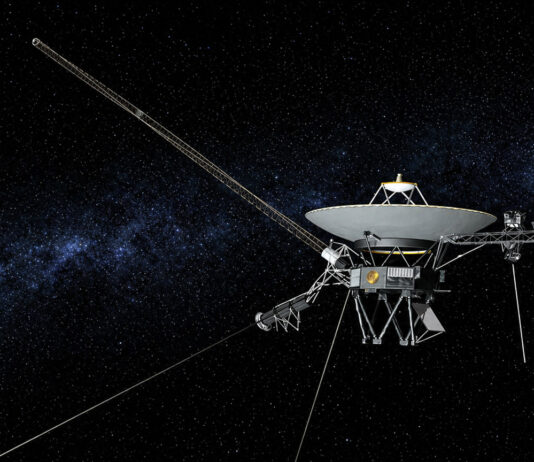
Voyager 2 Extended: NASA Unlocked a Hidden Power Reserve 13 Billion Miles Away
With Voyager 2's nuclear power source fading to under 70 watts, JPL engineers unlocked an untapped voltage reserve in 2025, extending the interstellar spacecraft's science mission without cutting any instruments.Load More
TOP POSTS
January 26, 2026

January 26, 2026

January 26, 2026


EDITOR PICKS
December 12, 2024


December 6, 2024
