
LATEST POSTS

White-Light Solar Flares: Why Science Still Can’t Explain Them
First recorded in 1859, white-light solar flares remain one of the Sun's deepest mysteries. An NJIT Ph.D. researcher, backed by a NASA FINESST award, is now working to solve why only certain flares penetrate deep enough to produce visible light.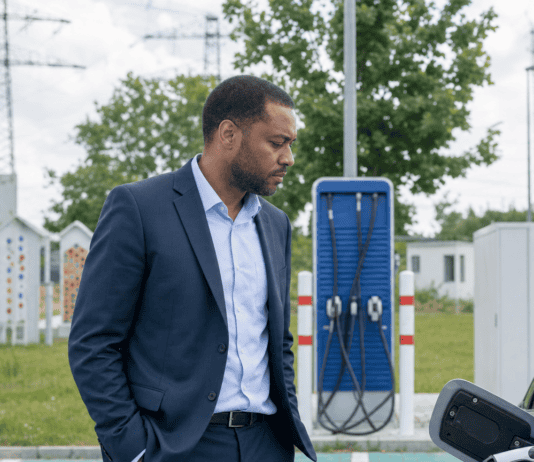
Georgia 7th in EV Chargers, but Central Georgia Has Almost None
A new study ranks Georgia 7th in EV chargers nationwide, yet reveals that Central Georgia — including Macon and Warner Robins — has been largely bypassed by the buildout, creating a stark geographic divide in who can realistically own an electric vehicle.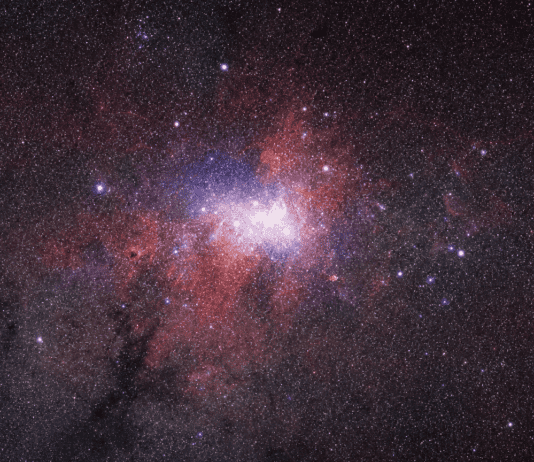
X-Rays from the Galactic Center: Dead Stars That Still Shine
Dense dust clouds hide the galactic center from optical telescopes, but X-ray observatories reveal a graveyard of stellar corpses radiating more energetically in death than most stars ever do in life. University of Iowa undergraduate Meredith LeFevre explains what's powering that glow.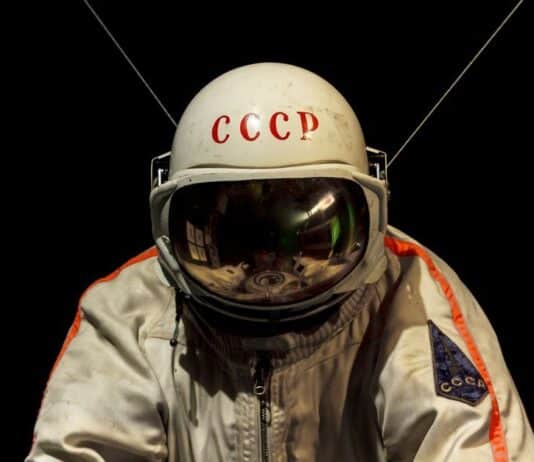
Cold War Space Race: Fear, Not Curiosity, Drove 1957–1969
The Cold War space race of 1957–1969 was driven not by scientific curiosity but by nuclear-era geopolitical fear—a high-altitude arms race choreographed by strategists as much as engineers. Here's the real history behind the myth.
Protein Naming Errors Are Corrupting Hundreds of Papers
A naming overlap between two proteins caused hundreds of scientists to order the wrong antibodies, silently corrupting published cancer and aging research. The case reveals a structural flaw peer review is not built to catch.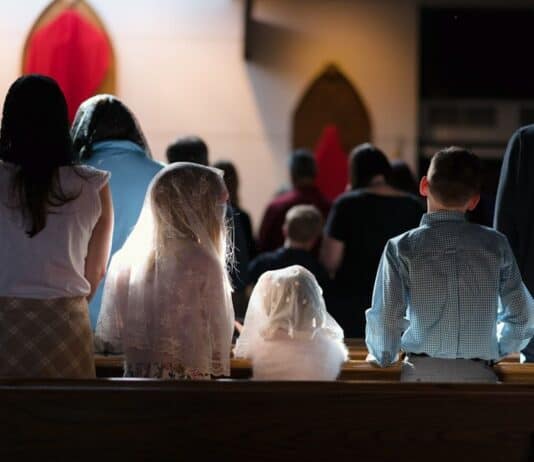
Intergenerational Religion: Why Parents’ Faith Habits Stick
Peer-reviewed research on intergenerational transmission of religion finds that children whose parents attended church weekly and shared faith at home were twice as likely to worship regularly as adults. Sociologists now point to four specific parental behaviors — not personal spiritual searching — as the primary driver of lifelong religious practice.Load More
TOP POSTS
January 26, 2026

January 26, 2026
January 26, 2026


EDITOR PICKS
December 12, 2024


December 6, 2024
