
LATEST POSTS
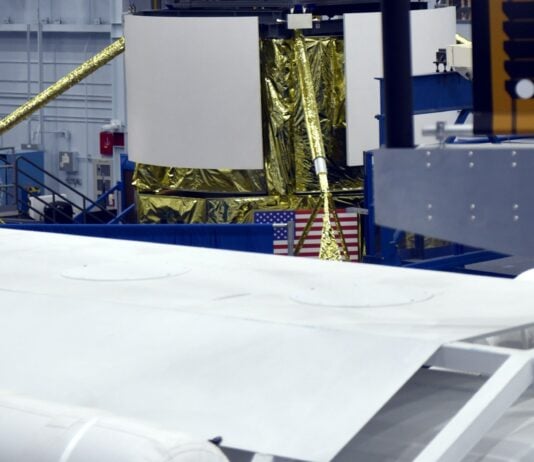
Artemis Radiation and Navigation Risks: What NASA Hasn’t Solved
A Chinese research team has formally identified a critical engine-redundancy weakness in NASA's Artemis lunar lander, opening a wider debate about deep-space radiation exposure and cislunar navigation hazards that remain only partially solved.
9 Surprising Facts About the Cancer and Alzheimer’s Link
Researchers have uncovered a striking inverse relationship between cancer and Alzheimer's disease, with shared molecular mechanisms — including cancer-like mutations in brain immune cells — reshaping how scientists understand both conditions.
Spider Webs Trap Fungi — and Reveal New Species
Researchers collecting spider webs from Thai rice paddies cultured living fungi from the silk — including species never before described. The accidental biosensor could change how scientists find new fungal species.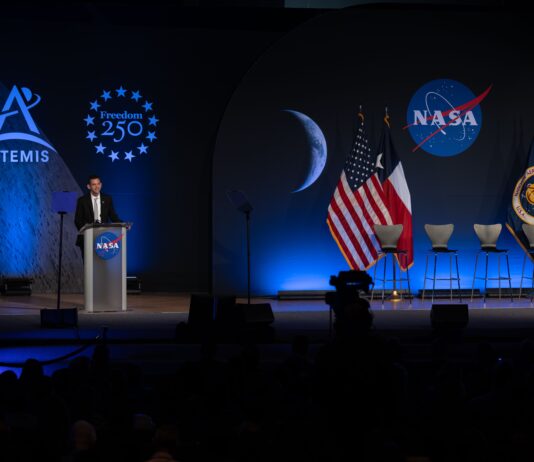
Artemis III All-Male Crew: What the Science Actually Says
When NASA's Artemis III crew turned out all-male, the backlash was immediate—but decades of human factors research reveals why crew composition is a performance variable, not just a political one.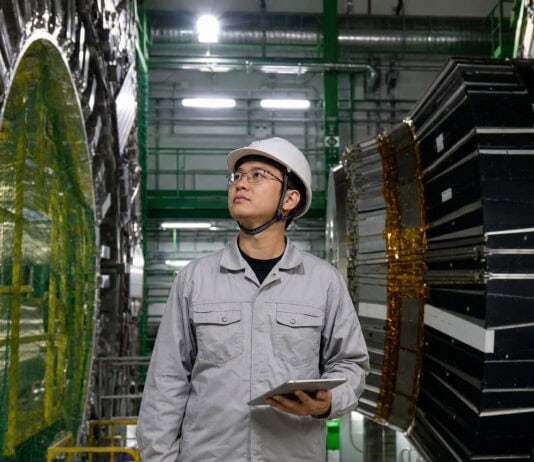
8 Key Facts About JUNO’s First Physics Result in Nature
China's Jiangmen Underground Neutrino Observatory published its first physics result as a Nature cover article after only 59 days of operation — here are 8 essential facts about what it found and why it matters.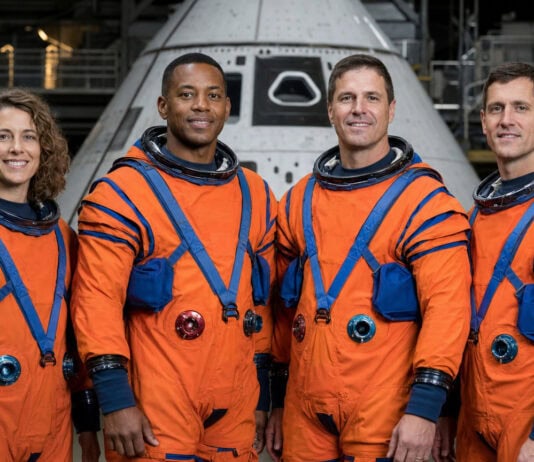
Artemis III Crew Named: 4 Astronauts, No Moon Landing
NASA has announced the Artemis III crew, led by commander Randy Bresnik, for a 2027 mission that will test lunar landing hardware in Earth orbit — deliberately stopping short of the Moon to reduce risk for Artemis IV, the planned crewed lunar landing.Load More
TOP POSTS
January 26, 2026

January 26, 2026

January 26, 2026


EDITOR PICKS
December 12, 2024


December 6, 2024
