
LATEST POSTS
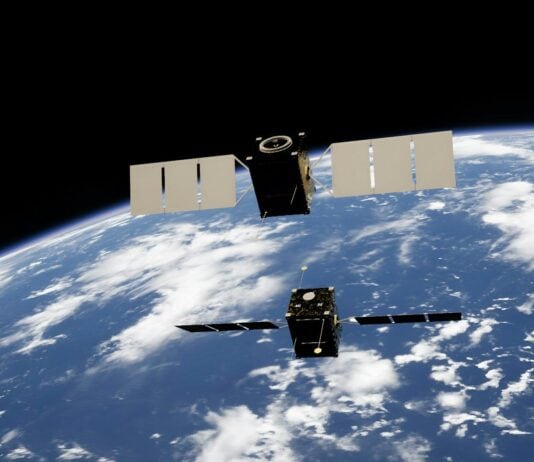
Quantum Sensors in Orbit: What Space Unlocks for Quantum Computing
Space eliminates the noise and gravity that cripple quantum sensors on Earth. A new US coalition—Infleqtion, Voyager Technologies, and the University of Colorado—is racing to turn that advantage into operational orbital quantum infrastructure.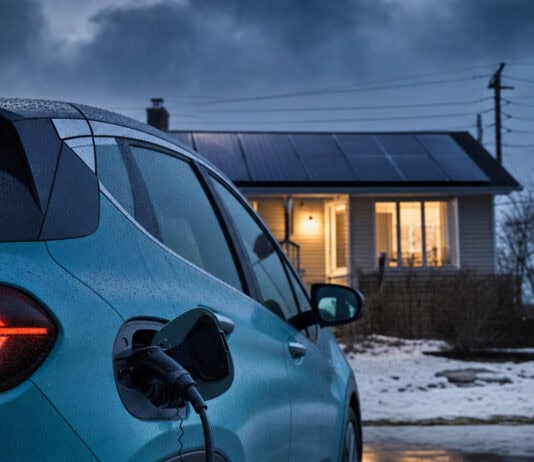
Electric Grid Resilience: Why EVs and Solar Outperform Fossil Fuels
The 2021 Texas blackout exposed a core flaw in fossil-fuel grid design: centralized, single-fuel systems are brittle under stress. Here's why electrification — EVs, solar, and smart storage — actually makes power systems more resilient, not less.
8 Conservation Strategies That Actually Work for Africa’s Wildlife
A new evidence review identifies which conservation strategies are actually reversing wildlife decline in Africa — and the gap between what works and what doesn't is wide enough to determine species survival.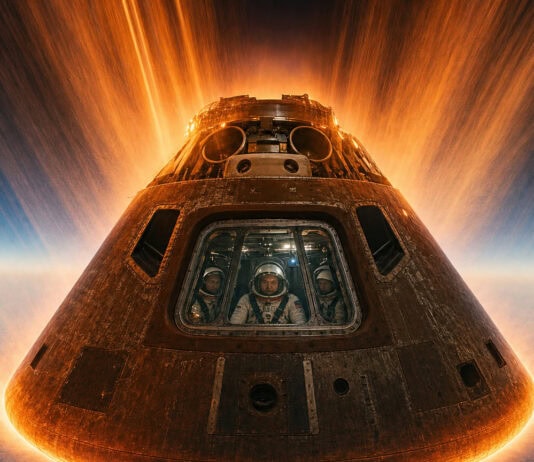
Spacecraft Reentry Heat: Why 3,000°F Outside Leaves Astronauts Unharmed
At orbital speeds, air compression — not friction — creates 3,000°F plasma around a returning spacecraft. SpaceX's Starfall demo mission is designed to prove the next generation of heat shield solutions works under real flight conditions.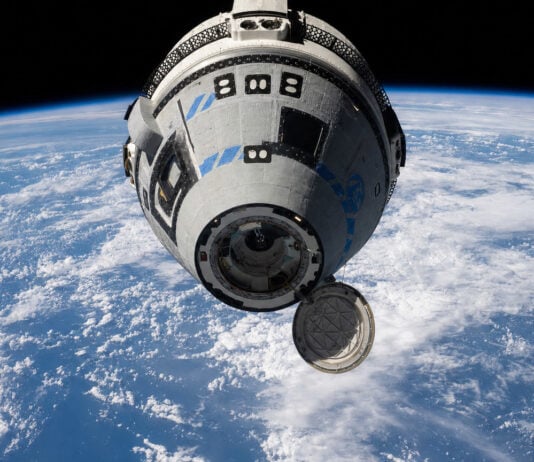
Boeing Starliner’s Helium Leak: Why a Tiny Flaw Grounds a Crewed Spacecraft
A helium leak measurable in cubic centimeters per minute forced NASA to leave two astronauts at the ISS for months and exposed exactly how unforgiving the engineering standards for crewed spaceflight really are.
Why Launch Windows Are Measured in Seconds: Orbital Mechanics Explained
The International Space Station moves five miles every second, and orbital mechanics means a rocket must intercept it at an exact geometric moment — making SpaceX launch windows as narrow as one to ten seconds, with no way to simply launch late and burn harder to catch up.Load More
TOP POSTS
January 26, 2026

January 26, 2026

January 26, 2026


EDITOR PICKS
December 12, 2024


December 6, 2024
