
LATEST POSTS
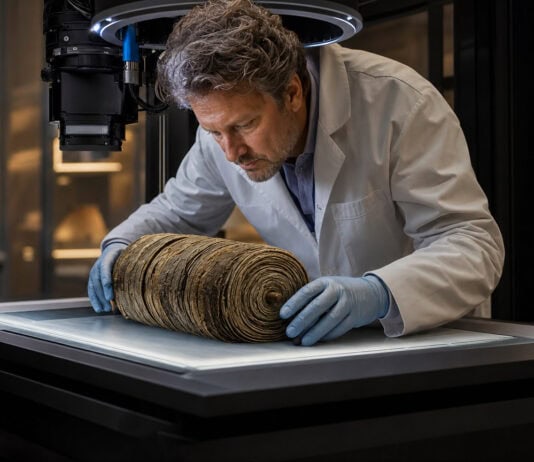
Herculaneum Scroll Read for First Time Using X-Ray AI — Uncut
Researchers have completely deciphered Pherc. 1667, a carbonized scroll from Herculaneum's ancient library, using virtual unwrapping powered by X-ray tomography and AI — the first intact burned scroll ever fully read without being physically opened.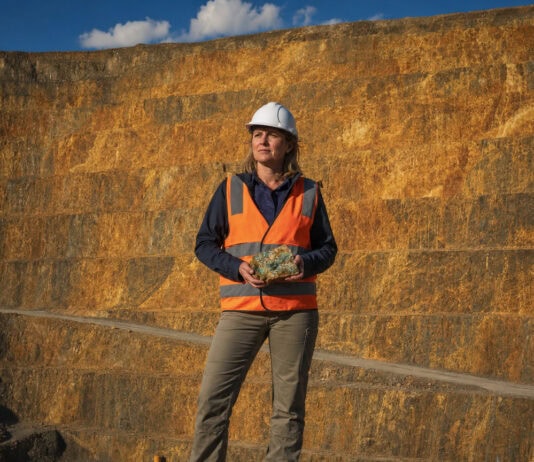
How Ancient Subduction Zones Seeded Today’s Copper and Gold Deposits
New research from the University of Sydney shows that ancient subduction zones fertilized the mantle with metals hundreds of millions of years ago—laying the geological groundwork for the world's richest copper, gold, and lithium mines.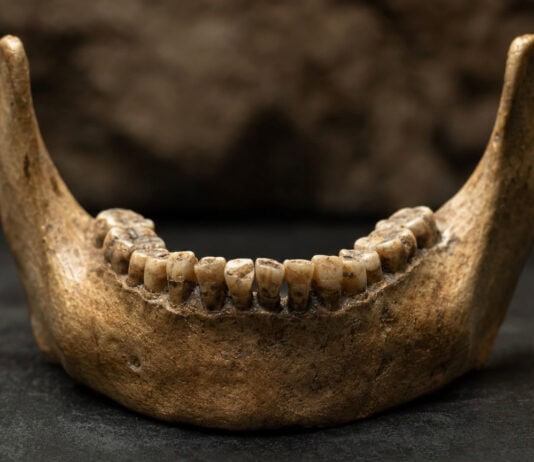
9 Surprising Facts About Homo naledi’s Ancient Sex Markers
A proteomics study of 23 Homo naledi fossil teeth found a complete absence of male sex markers across every specimen — a statistically improbable result that is forcing scientists to rethink what they know about this enigmatic ancient human relative.
Starlink’s 6,000 Satellites Are Making the Night Sky Measurably Brighter
Each Starlink launch adds to a constellation that scientists say is measurably brightening the night sky. Peer-reviewed studies now quantify what 6,000 satellites mean for astronomy and dark-sky preservation.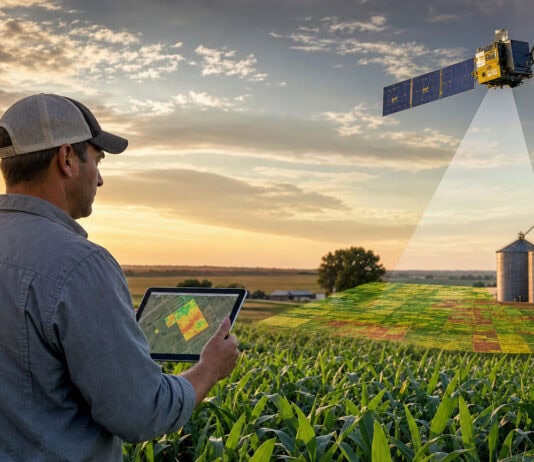
9 Ways NASA Satellite Farming Tools Are Reshaping Crop Monitoring
Nebraska producer Roric Paulman has joined NASA Acres' Farm Innovation Ambassador Team, bringing Great Plains farming expertise into a national program that uses satellite remote sensing to deliver real-time crop, soil, and water data to working producers.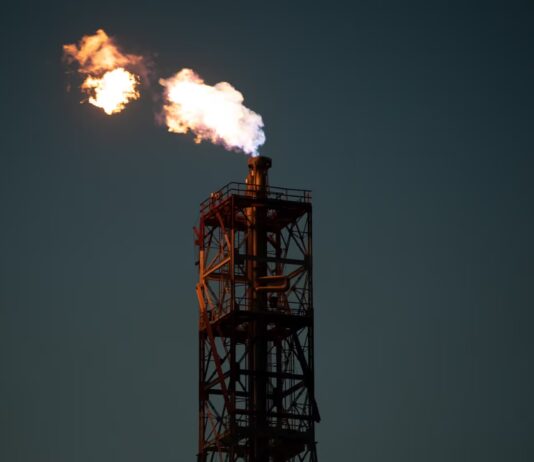
Gas Flaring Rose to a 6-Year High in 2025 — Here’s Why It Keeps Growing
Global gas flaring reached a six-year high in 2025, burning 167 billion cubic meters of natural gas worth $54 billion — enough to power all of sub-Saharan Africa. The World Bank's data exposes why voluntary industry pledges have repeatedly failed to reverse the trend.Load More
TOP POSTS
January 26, 2026

January 26, 2026

January 26, 2026


EDITOR PICKS
December 12, 2024


December 6, 2024
