
LATEST POSTS
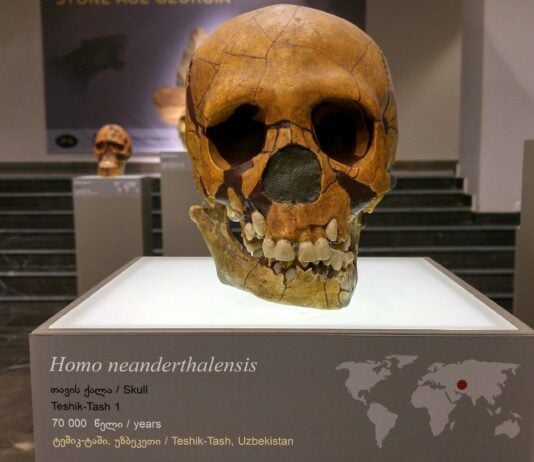
Neanderthal Inbreeding Wasn’t Their Doom — New DNA Study Rewrites the Story
A June 2025 Nature study separates ancient population bottlenecks from acute inbreeding in Neanderthal DNA, finding some European communities were far more genetically diverse than long assumed — and pointing to a stranger, more intimate cause of extinction.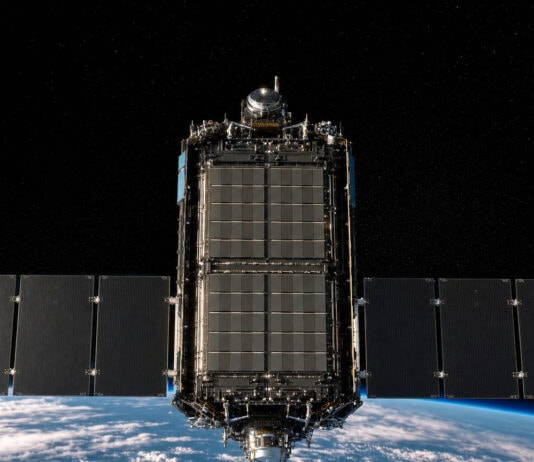
Space-Based AI Data Centers: What the Physics Actually Solve
SpaceX has unveiled its AI1 Compute Satellite and Anthropic has agreed to study using it. The physics of space solve real AI infrastructure problems—but create entirely new ones in return.
Machrie Moor’s Hidden Seventh Stone Circle Found by Ground-Penetrating Radar
Historic Environment Scotland has used ground-penetrating radar to detect a seventh prehistoric circle buried beneath the peat at Machrie Moor on the Isle of Arran, a site previously thought to hold six stone circles. The buried feature left no visible surface trace and may date to the Neolithic or Bronze Age.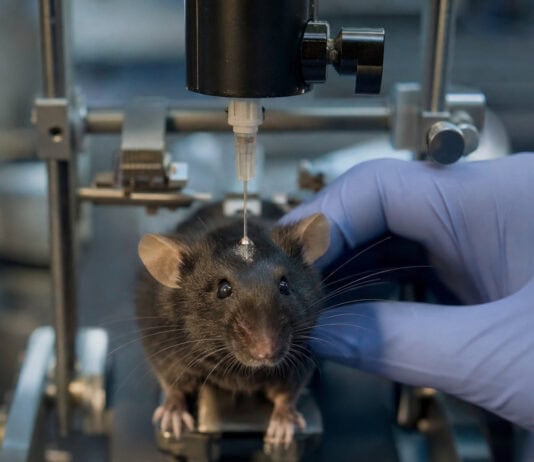
Brain Cells That Act as a Focus Switch: What Scientists Found in Mice
Scientists at Johns Hopkins discovered a small cluster of ancient subcortical neurons—called PLTi neurons—that filter distractions by actively suppressing irrelevant signals. Silencing them in mice instantly produced ADHD-like inattention.
Fossil Fuel Transition Science: Why Ocean Carbon Makes Delay Irreversible
The First Conference on Transitioning Away from Fossil Fuels, held in Santa Marta, Colombia, gains new weight when understood through ocean carbonate chemistry and climate tipping point science — both of which show that delay is not a postponement but a physical commitment to a worse baseline.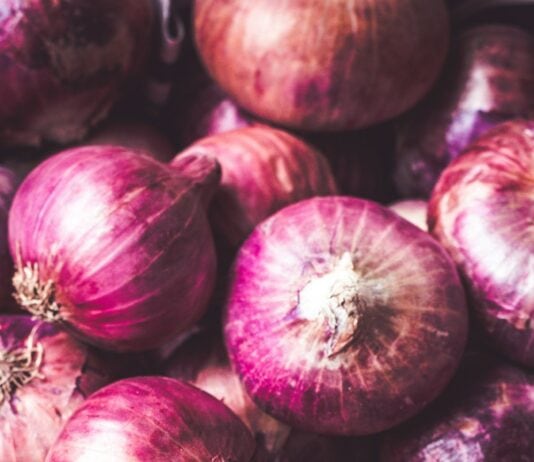
Health Benefits of Eating Onions: What the Science Actually Shows
A study in BMC Medicine found that people who love the taste of onions have statistically lower odds of developing type 2 diabetes or high blood pressure — and a genetic variant may help explain why. Here's an honest look at the growing science behind onion nutrition.Load More
TOP POSTS
January 26, 2026

January 26, 2026

January 26, 2026


EDITOR PICKS
December 12, 2024


December 6, 2024
