1. Microplastics: Small Particles, Big Problem
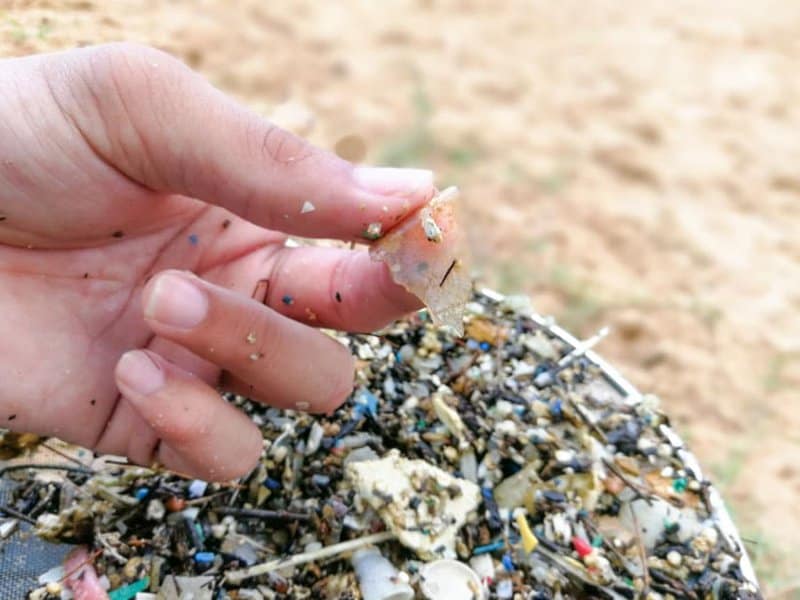
Microplastics are tiny plastic fragments measuring less than five millimeters in length, typically formed by the breakdown of larger plastic debris or released intentionally as microbeads in personal care products.
Their minute size allows them to penetrate ecosystems, enter water sources, and now—alarmingly—circulate through the very air we breathe.
Unlike larger waste, these particles are nearly invisible, making them particularly hard to track and study.
Their ability to travel by wind and rain dramatically increases their environmental reach and impact.
For a detailed explanation of microplastics and their characteristics, visit National Geographic.