
Insect identification databases catalog at least 62 distinct insect entries under the letter H — from the cryptically named Hag Moth to the much-feared Hornet — and that single alphabetical slice contains an outsized concentration of evolutionary innovation, ecological importance, and widespread public misunderstanding. Tracing the biology of representative species reveals how convergent evolution, mimicry, social architecture, and ecological interdependence all operate in plain sight, hiding behind a letter most people associate only with danger.
Mapping the H-Insect Landscape: Orders, Families, and Why Classification Matters
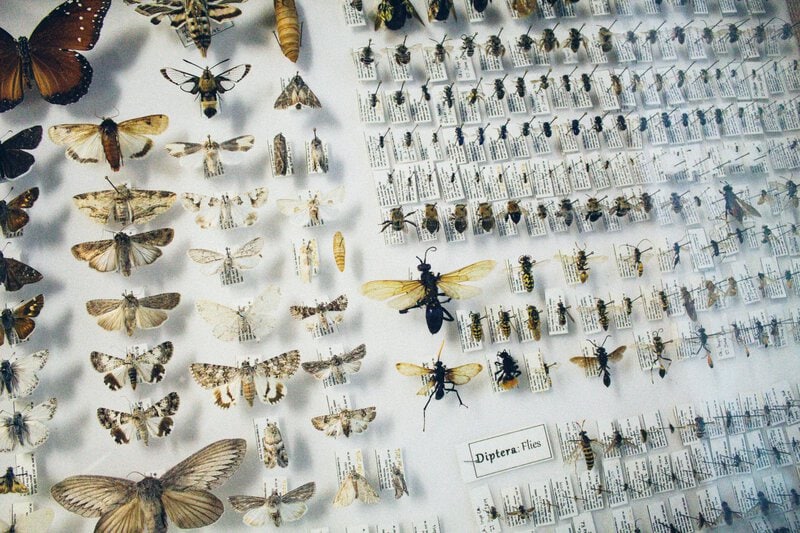
H-named insects are not a biological group. They share a letter, not an ancestor. What they share instead is membership in several radically different insect orders, and understanding those orders is the essential first step toward understanding why these creatures behave, feed, and reproduce so differently from one another. The NC State University General Entomology alphabetical insect index makes this diversity tangible: Hangingflies and Horntails appear alongside Hornets, placing a predatory scorpionfly relative and a wood-boring sawfly relative in the same browsable list as a highly social wasp — a spread that rewards closer inspection precisely because the surface similarity ends at the first letter of the name.
Hymenoptera — the order encompassing ants, bees, wasps, and hornets — is one of the most ecologically consequential insect groups on Earth. Defined by membranous paired wings and, in many species, a remarkable capacity for social organization, Hymenoptera represents a lineage in which eusociality has evolved multiple times independently, making it a natural laboratory for studying cooperative behavior. Hemiptera, the so-called true bugs, represent a different evolutionary strategy entirely: this order includes aphids and shieldbugs, insects united by piercing-sucking mouthparts that allow them to tap directly into plant vascular tissue, making them both devastating agricultural pests and sophisticated manipulators of plant chemistry. The H-section of the Amentson Society entomology glossary is itself a compact index of biological concepts — hemimetabolous, holometabolous, haemolymph — that reveal how differently insect bodies can be organized even within a shared body plan.
The broader structural lesson is this: the letter H is a cultural convenience, not a phylogenetic signal. Its value is precisely that it forces unexpected comparisons, placing social architects next to solitary predators and harmless wood-borers next to genuinely painful biters. Those comparisons are where the most useful entomological thinking begins.
Hornet Biology: Social Architecture and the Science of the Sting
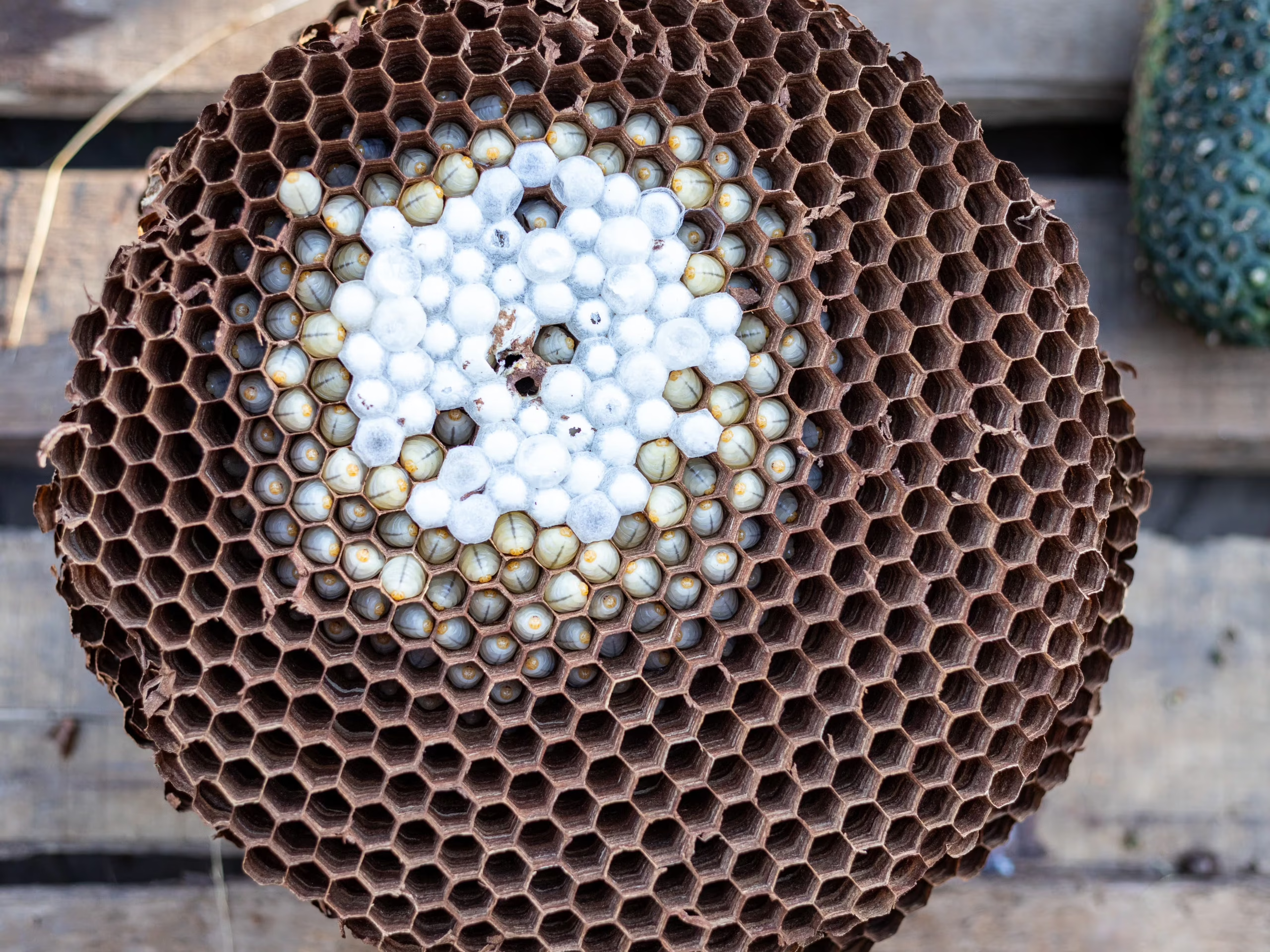
Hornets — genus Vespa, family Vespidae, order Hymenoptera — are eusocial insects, meaning they live in colonies with overlapping generations, cooperative brood care, and a reproductive division of labor in which a single queen produces offspring while sterile female workers maintain the nest. This social structure, which hornets share with honeybees, was not inherited from a common eusocial ancestor but arrived at independently through convergent evolution — a fact that makes eusociality one of the most striking examples of natural selection producing similar solutions to similar ecological problems from entirely different starting points.
The sting itself is worth understanding precisely, because imprecision drives both unnecessary fear and misplaced complacency. Hornet venom is a cocktail of enzymes, peptides, and biogenic amines. The acute pain of a sting is driven primarily by acetylcholine, a neurotransmitter that directly activates pain receptors in the skin. Some Asian species, notably Vespa mandarinia, also contain mandaratoxin, a compound that can disrupt nerve cell membranes at sufficient doses — a meaningfully different pharmacological profile from that of European species. European hornets (Vespa crabro), despite their size and fearsome reputation, are by scientific consensus considerably less aggressive than popular culture suggests. They do not defend foraging areas and will typically sting only when their nest entrance is directly threatened or an individual insect is physically restrained.
The nest itself has attracted genuine research attention as a feat of biological materials engineering. Hornet workers chew weathered wood fibers, mixing them with saliva to produce a paper-like carton material with layered air pockets. The resulting structure provides meaningful thermal insulation, buffering developing brood against external temperature swings. Researchers have examined the architecture as a potential model for lightweight insulating materials, though practical engineering applications remain early-stage and speculative; claims about direct industrial spinoffs should be read with appropriate caution.
One genuinely contested domain is the ecological impact of the Asian hornet (Vespa velutina), which has established invasive populations across much of Western Europe following its accidental introduction in the early 2000s. While V. velutina demonstrably preys on honeybees at colony entrances, population-level impacts on wild pollinators more broadly remain difficult to quantify with current monitoring data. The conservation concern is scientifically legitimate; its precise magnitude is still being established.
Horse Flies: The Brutal Efficiency of a Blood-Feeding Strategy
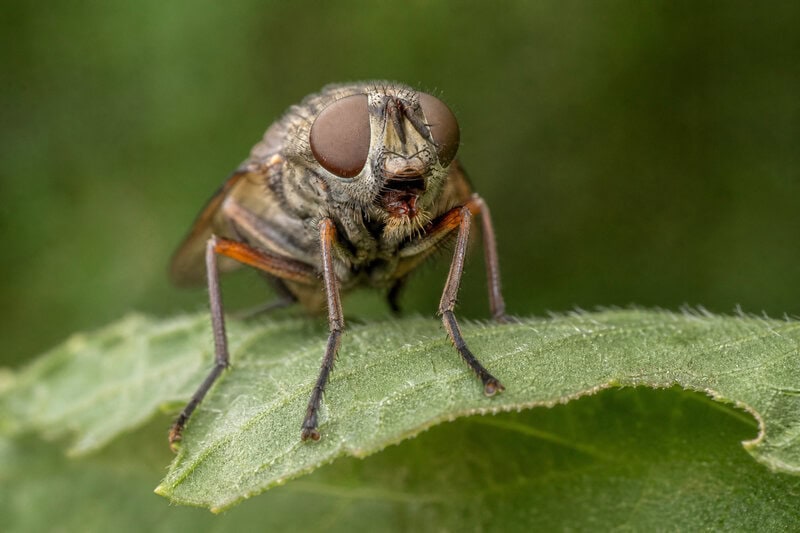
Horse flies, family Tabanidae, order Diptera, belong to a different insect order entirely from hornets — and they operate on a completely different predatory logic. Where a hornet sting is a defensive act, a horse fly bite is a feeding mechanism, and the mechanics are more violent than most people realize. Unlike mosquitoes, which use a needle-like proboscis to pierce skin and draw blood upward, horse flies deploy blade-like mouthparts called stylets to slash through skin, creating a small wound from which blood pools. This telmophagous, or pool-feeding, strategy causes more tissue damage than the piercing approach, which is why horse fly bites hurt more acutely and heal more slowly than mosquito bites of comparable size.
A point of biology that consistently surprises non-specialists: only female horse flies bite. Males feed entirely on nectar and plant fluids, making them incidental pollinators in some habitats. The female’s requirement for blood is tied to egg development — the protein in a blood meal fuels the production of viable eggs, a nutritional dependency shared across blood-feeding Diptera more broadly.
Horse flies carry genuine medical and veterinary significance as mechanical vectors of disease. Tabanidae are documented vectors of Trypanosoma species — the parasitic protozoans responsible for diseases including surra in livestock — and in parts of Central Africa, certain species transmit the filarial worm Loa loa, which causes the parasitic infection loiasis in humans. Transmission risk is, however, highly species- and region-specific; a horse fly bite in a temperate European meadow carries a very different risk profile from one occurring in an endemic zone.
The sensory toolkit horse flies use to locate hosts is well characterized: carbon dioxide plumes, body heat, visual contrast between a dark moving object and a bright sky, and polarized light reflected from water and skin all contribute to host detection. What remains less resolved is the relative weighting of these cues during host-selection behavior. Laboratory and field studies have produced somewhat different hierarchies of importance, and the question continues to be actively investigated.
Hoverfly Mimicry: A Masterclass in Evolutionary Deception
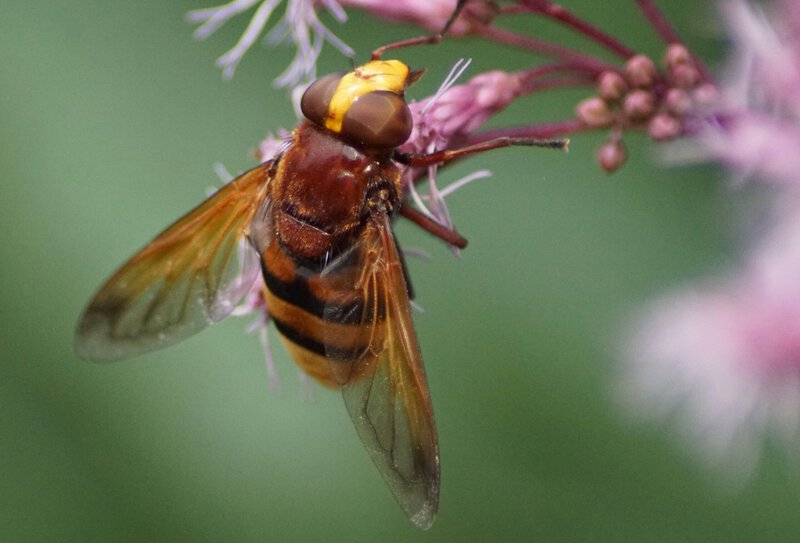
Hoverflies, family Syrphidae, order Diptera, are perhaps the most instructive single example of what evolutionary biologists call Batesian mimicry — a phenomenon in which a harmless species gains protection from predators by evolving an appearance that closely resembles a genuinely harmful one. Hoverflies are entirely stingless and carry no venom, yet hundreds of species within the family have independently evolved yellow-and-black banding that closely resembles the warning coloration of wasps and bees. Predators that have learned, or are innately disposed, to avoid stinging insects tend to avoid hoverflies as well — a survival advantage significant enough that natural selection has reinforced and refined the mimicry repeatedly across evolutionary time.
The precision of that mimicry was reassessed in a 2022 study published in Communications Biology by researchers at the University of Bristol. The team evaluated hoverfly mimicry not from a human visual perspective but through models of avian vision — the relevant predator’s actual sensory system — and found that the accuracy of the mimicry was significantly greater than prior human-centered assessments had suggested. The methodological point is important: humans and birds process color and contrast differently, and studies that fail to account for the predator’s visual system systematically underestimate the fidelity of the deception.
Hoverflies are also significant pollinators in their own right, entirely independent of their mimicry strategy. Research linked to the UK Centre for Ecology and Hydrology has identified certain hoverfly species among the most important pollinators of crops in Britain. Their larvae, meanwhile, occupy radically different ecological niches depending on species: some consume large numbers of aphids, functioning as natural biological pest controllers; others develop in decomposing organic matter, accelerating nutrient cycling in soil and aquatic systems. A single family thus performs pollination, pest control, and decomposition — three distinct ecological services — depending on species and life stage.
The degree to which bird predators are genuinely deceived by the specific pattern match between a hoverfly mimic and its wasp or bee model, rather than simply responding to a broad learned aversion to any yellow-and-black insect, remains a point of active scientific debate. The two mechanisms are not mutually exclusive, and research has not yet cleanly separated them.
Hangingflies, Horntails, and the Hag Moth: Three Overlooked H-Insects Worth Knowing
The most prominent H-insects — hornets, horse flies, hoverflies — tend to crowd out equally fascinating species that happen to be less threatening or less visible. Three entries from the broader H-catalogue make a strong case for looking further down the list.
- Hangingflies (order Mecoptera, family Bittacidae) are predatory insects that hunt while suspended from vegetation by their forelegs, snatching flying prey mid-air with their hind legs. They are of particular evolutionary interest because their order, Mecoptera, is closely related to the lineage that gave rise to fleas — making hangingflies a living reference point for understanding how holometabolous insect evolution, in which larvae and adults occupy entirely different ecological roles, can produce radically divergent body plans from closely shared ancestry.
- Horntails (family Siricidae, order Hymenoptera) are frequently misidentified as giant wasps, largely because of the prominent spike projecting from the female’s abdomen. That structure is an ovipositor — a precision egg-laying organ — not a stinger, and horntails are entirely non-venomous. Females use the ovipositor to drill into living or recently dead wood, simultaneously depositing eggs and a symbiotic wood-rotting fungus that softens the timber for larvae, which then spend months or years tunneling through wood before completing metamorphosis. The relationship between the horntail and its fungal symbiont is an example of mutualism embedded directly in the insect’s basic reproductive biology — a level of ecological integration that is easy to miss when you are looking only at the alarming spike.
- The Hag Moth (Phobetron pithecium, family Limacodidae) is best known for its larva, which bears multiple fleshy, hair-covered projections radiating from its body in irregular directions. These projections are thought to function as visual mimicry — possibly resembling a shed spider skin or other arthropod debris — that confuses or deters predators. The precise mechanism and the identity of any specific model being mimicked remain under active investigation, making this caterpillar one of the more genuinely open questions in North American Lepidoptera research.
These three species illustrate a broader principle about how to read an insects list productively: the evolutionary storytelling available in less-celebrated entries is often richer precisely because it has not been flattened by repetition into caricature.
Why H-Insects Matter: Ecological Roles, Conservation Signals, and What We Still Don’t Know
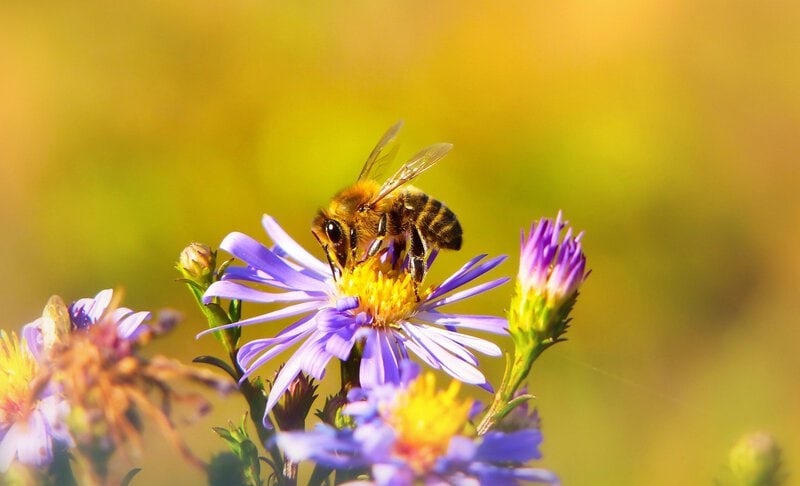
Across Hymenoptera, Diptera, Hemiptera, and Mecoptera, H-named insects collectively perform pollination, biological pest control, decomposition, and predator support — they are prey for birds, bats, and other invertebrates, anchoring food webs that extend far beyond the insects themselves. Removing any one functional group from these webs produces measurable cascade effects, as documented in long-term ecological studies of both agricultural and natural landscapes.
The broader context of insect population decline is real but requires careful framing. A 2019 meta-analysis published in Biological Conservation, authored by Sánchez-Bayo and Wyckhuys, estimated that approximately 40% of insect species face population decline globally, with Hymenoptera and Diptera — both heavily represented in the H-insect catalogue — among the affected orders. That finding attracted significant scientific and public attention, and also prompted methodological critique: subsequent analyses pointed to sampling bias in the underlying studies and emphasized that regional variation in insect population trends is substantial, with some regions showing stability or partial recovery while others show steep decline. The concern is well-founded; the precise magnitude and geographic distribution of the threat are still being refined by ongoing monitoring programs.
A more immediate and actionable knowledge gap sits closer to the surface. Basic life history data — larval habitats, host ranges, seasonal phenology — remains unpublished or incompletely documented for a significant proportion of the species catalogued under H on platforms like insectidentification.org. Structured citizen science observations, when made carefully and submitted to verified databases, consequently carry genuine scientific value rather than serving a purely educational purpose.
The biological richness concentrated in insects starting with H is not a quirk of the alphabet. It is a reminder that evolutionary innovation is distributed across every taxonomic corner of the insect world, and that understanding it fully requires looking past the species we already fear or admire toward the ones that have been quietly solving different versions of the same survival problems for hundreds of millions of years — often in ways that turn out to matter enormously to the ecosystems that support us.