Wild Date
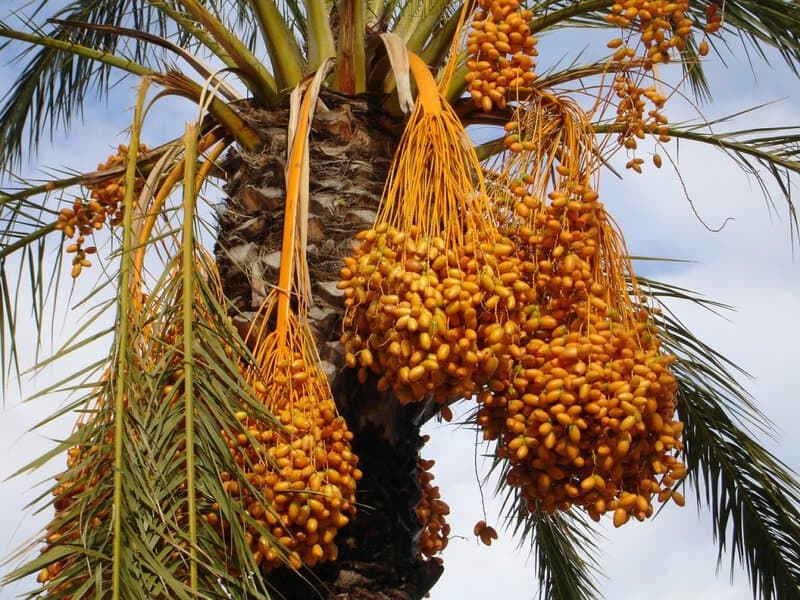
Middle Eastern oases supported small, dry wild dates with yellowish flesh. These desert fruits contained far less sweetness than modern varieties. Camels and birds consumed them despite their tough, fibrous texture. Water conservation remained crucial in desert climates, reflected in their small size. Unlike today’s sticky-sweet dates, these wild ancestors focused on surviving harsh conditions rather than pleasing palates.