
LATEST POSTS
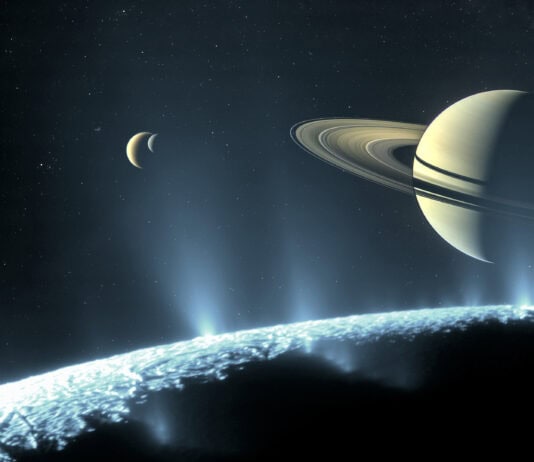
Enceladus Has Water, Heat & Organics — NASA’s Case for a Deep-Space Pit Stop
Saturn's small, geyser-venting moon Enceladus has confirmed liquid water, hydrothermal heat, and complex organic molecules — and NASA-affiliated scientists argue those three ingredients make it one of humanity's most strategically valuable outposts beyond Mars.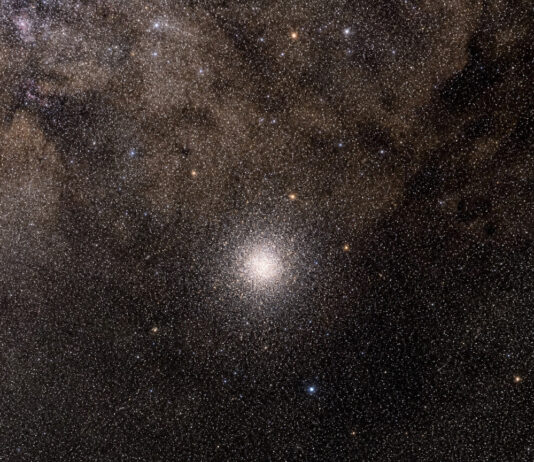
Milky Way Fossil Fragment Terzan 5 Reveals How Our Galaxy’s Bulge Formed
A dense star cluster called Terzan 5 has survived 12 billion years near the Milky Way's core, and new James Webb Space Telescope observations confirm it is a rare fossil fragment that preserves a record of how the galaxy's central bulge was assembled.
8 Ways Phoenix Schools Use Basketball Physics to Boost STEM Scores
From a Honeywell-backed Mercury STEM camp to Phoenix Coding Academy's computer vision projects, eight Phoenix programs show how basketball physics education moves test-ready concepts from the whiteboard into students' hands.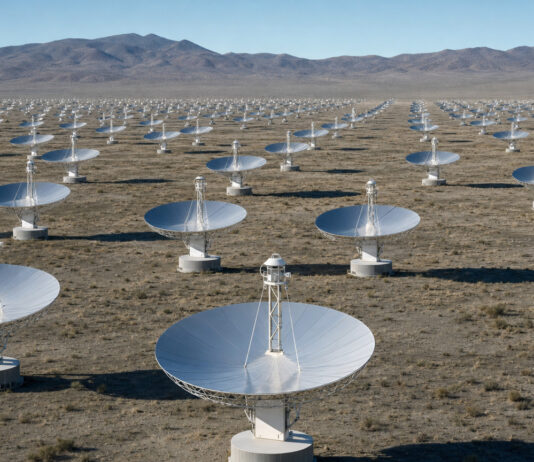
Caltech’s DSA-2000: 1,650-Dish Nevada Radio Telescope Explained
Caltech's Deep Synoptic Array 2000 will combine 1,650 dishes in a remote Nevada valley to form the world's most sensitive radio telescope, designed to detect Fast Radio Bursts, gravitational-wave events, and signals no existing instrument can hear.
Heat Waves Cause 37% More Wildfire Burn Area, New Study Finds
New research reveals heat waves account for 42% of all wildfire-burned area in the western U.S. despite occurring on only 12–15% of warm-season days—and that rising heat wave frequency since 2001 is responsible for 37% more burned forest than would otherwise exist.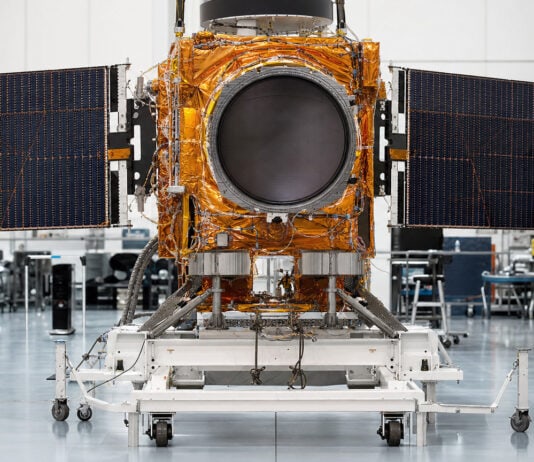
NASA Aeolus Mars Mission 2028: Relativity Space to Launch Wind-Mapping Probe
NASA and Relativity Space have signed a Space Act Agreement to send the Aeolus atmospheric science payload to Mars orbit by 2028, where it will make the first direct measurements of Martian wind velocities from space. Relativity Space will supply the spacecraft, launch vehicle, and mission operations using its 3D-printed Terran R rocket.Load More
TOP POSTS


EDITOR PICKS
December 12, 2024

February 12, 2025


