
Forty-two percent of all wildfire-burned area in the western United States occurs during or immediately after a heat wave — yet heat waves account for only 12 to 15 percent of warm-season days. That single disproportion, documented in new research, reframes how scientists, fire managers, and the public should understand what is actually driving the modern wildfire crisis.
The Number That Reframes Everything
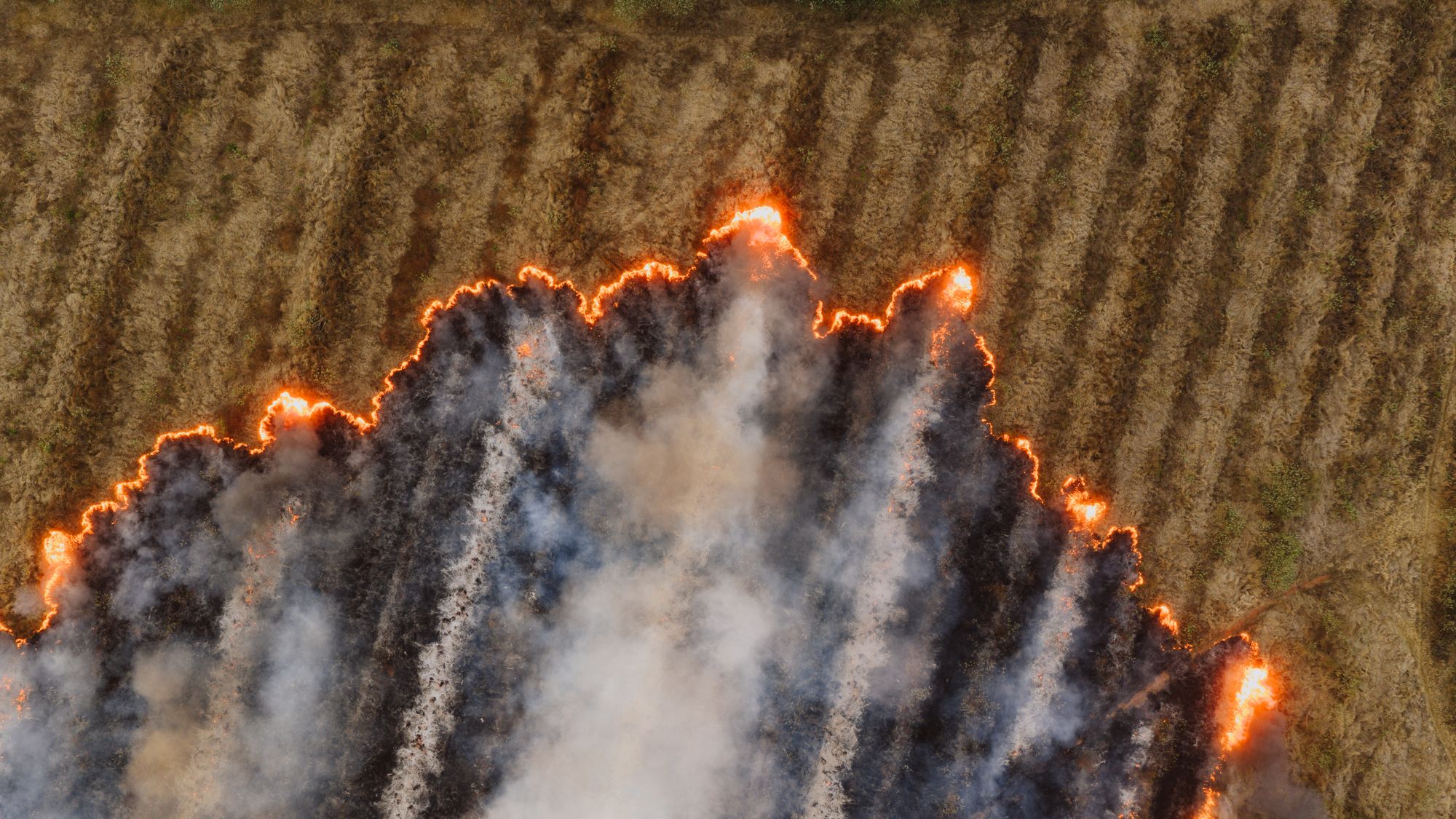
The finding is not a rounding error or a regional curiosity. It is a robust statistical pattern drawn from multiple decades of satellite-derived burn-area records and meteorological data covering the western United States. Heat waves — a small fraction of the calendar — are responsible for nearly half of all the landscape that fire consumes each year. That concentration of destruction inside a narrow, identifiable window is the central insight of the new study, and it sharpens the terms of a conversation that has too often defaulted to generalities about “climate change” and “drought.”
The second anchor statistic is equally stark. Using a counterfactual modeling approach, researchers calculated that without the increase in heat wave frequency observed since 2001, the cumulative area of burned forest would have been 37 percent smaller. That figure puts a specific, mechanism-grounded number on how much of the modern wildfire expansion is attributable not to warming in general, not to drought alone, but to the specific, episodic phenomenon of the heat wave. The full study findings are detailed at Phys.org.
What makes this research scientifically significant is not just the magnitude of those numbers — it is the explanation of why heat waves behave so differently from ordinary hot days. Magnitude without mechanism is a data point. Magnitude with mechanism is a tool that forecasters, managers, and policymakers can actually use.
What the Study Actually Measured — and How
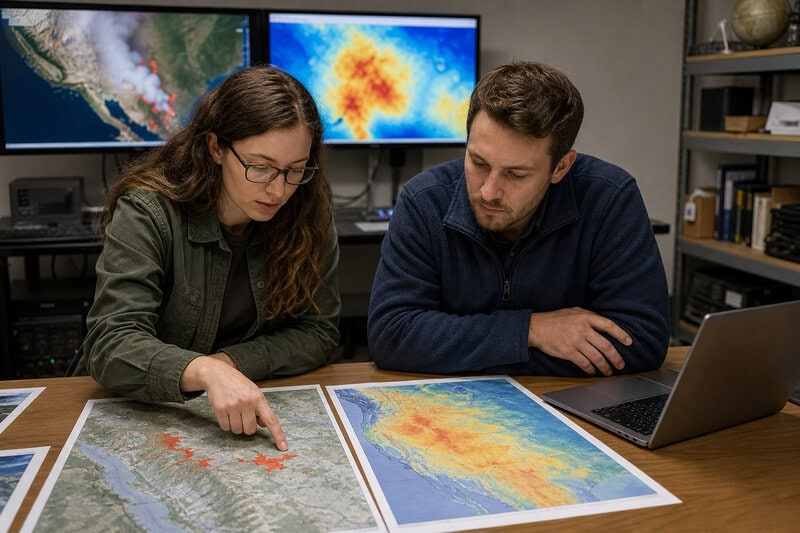
The research combined satellite-derived burn-area records with meteorological reanalysis data — gridded reconstructions of historical atmospheric conditions built from observational networks — spanning the western U.S. wildfire season across multiple decades. That pairing allowed researchers to align specific fire events with the precise weather conditions that preceded and surrounded them, day by day.
The core methodological contribution was isolation. Researchers separated heat wave days from ordinary hot days to test a precise question: do heat waves carry unique fire risk beyond what raw temperature alone would predict? For the purposes of the study, a heat wave was defined as a multi-day period during which temperatures exceed a local historical threshold — typically the 90th percentile for that location and time of year — for at least two to three consecutive days. That definition follows established climatological convention and ensures the study is comparing genuinely anomalous multi-day heat against the background of ordinary warm summer conditions, not conflating the two.
The counterfactual modeling step is where the 37 percent figure originates. The research team statistically removed the post-2001 increases in heat wave frequency from the historical record and recalculated what cumulative burned area would have looked like under the lower heat wave rates of earlier decades. That approach isolates the heat wave signal from other fire-risk trends that were present throughout the entire study period — fuel accumulation from a century of fire suppression, changes in land management, and the slow background warming of the climate system.
It is equally important to state what the study does not claim. The authors do not assert that heat waves are the sole driver of worsening wildfires, and they explicitly distinguish the heat wave signal from the broader, slower-moving effects of multi-year drought and long-term warming. Those factors are real and consequential; they operate on different timescales and through different physical pathways. UPI’s coverage of the research places these distinctions in useful context.
The Mechanism: Why Heat Waves Hit Differently Than Just ‘Hot Days’
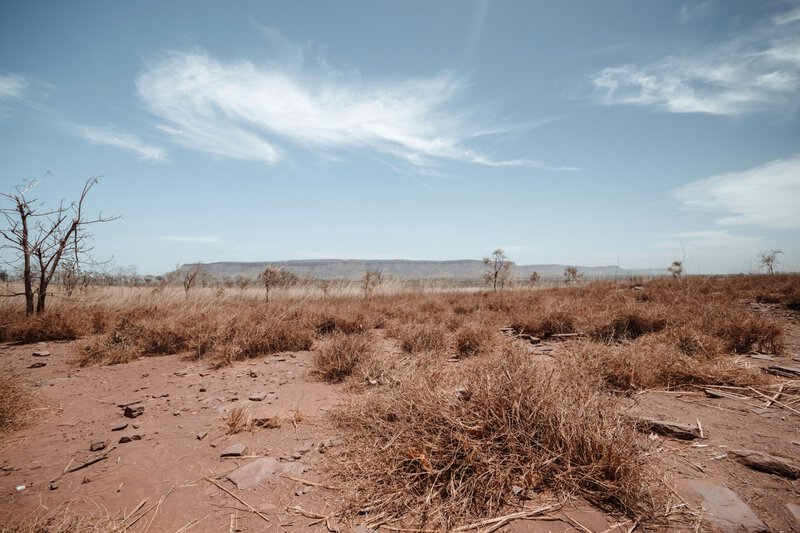
A heat wave does not simply deliver more heat. It compounds drying stress across multiple physical systems simultaneously — soil moisture, vegetation water content, and atmospheric humidity — in ways that a single hot day cannot replicate. The difference is partly physical, partly biological, and profoundly consequential for how fires start, spread, and resist suppression.
The critical atmospheric variable is vapor pressure deficit, or VPD. VPD measures the gap between how much moisture the air is capable of holding at a given temperature and how much it actually holds. When VPD is high, the atmosphere aggressively pulls moisture out of every surface it contacts — soil, leaves, needles, grass stems. During a heat wave, VPD spikes sharply and stays elevated, because both temperatures and atmospheric dryness are elevated simultaneously and persistently over multiple days. Under sustained high-VPD conditions, living vegetation can lose moisture fast enough to approach the flammability of dead wood — a threshold fire scientists refer to as critical fine fuel moisture content.
The temporal compounding effect is what separates a heat wave from an isolated hot afternoon. By day two or day three of a sustained heat event, fine fuels — grasses, shrubs, the outermost needles of conifers — have lost enough moisture to ignite more easily and burn more intensely. Simultaneously, the land surface has absorbed and stored enough heat to function as a radiative reservoir, sustaining fire-friendly conditions well into the evening hours. This matters enormously for suppression operations: firefighters rely on overnight temperature drops to reduce fire behavior and allow safe access to burn perimeters. A heat wave compresses or eliminates that recovery window, sometimes for several consecutive nights.
The “during or right after” framing in the 42 percent statistic reflects a specific finding about lag effects. Residual drying from a heat wave — depleted soil moisture, low fuel moisture in vegetation — can persist for days after surface temperatures return to normal levels. The fire window, in other words, does not close when the heat wave ends. It tapers. The study explicitly quantifies this lag, which is why the burned-area signal associated with heat waves extends slightly beyond the meteorological boundary of the event itself.
The Post-2001 Shift: When Heat Waves Became a Structural Problem
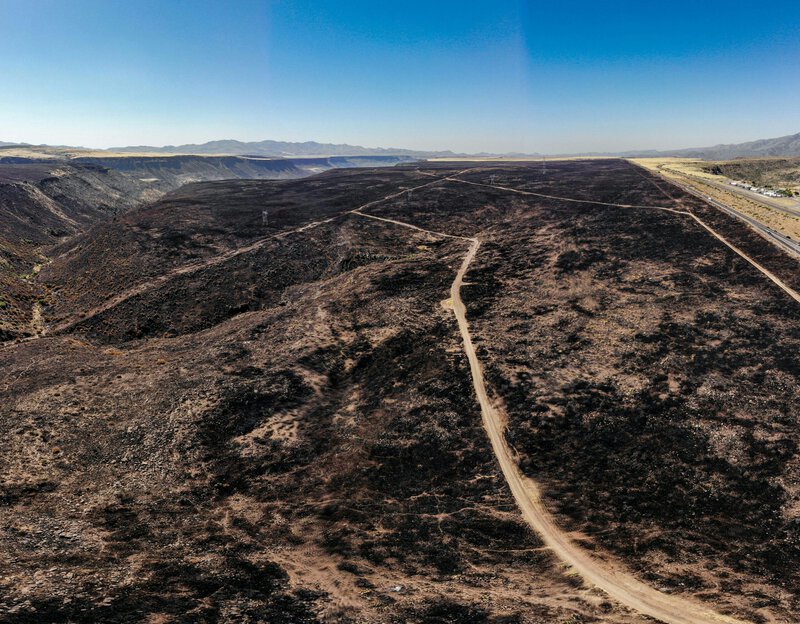
The study uses 2001 as its baseline not arbitrarily but because consistent satellite burn-area records and reliable meteorological reanalysis data allow statistically robust comparisons from that point forward. That starting point also coincides with a well-documented acceleration in western U.S. fire activity that researchers have been working to explain ever since.
Since 2001, heat wave frequency in fire-prone regions has increased measurably. Because each additional heat wave day carries outsized burn-area risk relative to an ordinary warm day, even modest increases in heat wave frequency translate into disproportionately large increases in total burned area. The relationship is amplified by the compounding mechanisms described above — the marginal fire risk of one additional heat wave day is substantially higher than the marginal fire risk of one additional ordinary warm day.
This connects directly to established climate science. The Intergovernmental Panel on Climate Change’s Sixth Assessment Report confirms that heat wave frequency, intensity, and duration are all increasing under anthropogenic climate change — that is scientific consensus, not an emerging finding. What this study contributes is something the IPCC report does not provide at this level of specificity: a quantified, fire-specific consequence of that trend, grounded in observed burn-area data rather than model projections alone.
A genuinely open area of research involves how specific heat wave characteristics interact with fire risk in different ways. Researchers are still refining how duration, intensity, and timing within the fire season combine — a heat wave in late June may carry different risk than one in late August, when fuels are already seasonally desiccated. Regional landscape differences add further complexity, with different ecosystems showing meaningfully different sensitivities to the same heat wave conditions.
What This Means for Fire Season Forecasting and Preparedness

The practical implications for fire management agencies follow logically from the statistical pattern. Because heat wave timing can now be linked, with measurable confidence, to outsized burn-area risk, extended weather forecasts that identify heat waves seven to ten days in advance could function as early-warning triggers for preemptive resource deployment — moving personnel, aircraft, and equipment into position before the window of peak risk opens rather than scrambling to respond after the first large ignition.
A notable gap currently exists in operational fire-danger systems. The U.S. National Fire Danger Rating System incorporates temperature and relative humidity in its daily calculations, but it does not yet formally weight multi-day heat wave persistence as a distinct risk multiplier — the kind of explicit compounding signal this research suggests could meaningfully improve the system’s predictive precision during the most dangerous windows of the fire season.
There is also a convergence of risks worth acknowledging, though it extends beyond what the study itself addresses. Communities in fire-adjacent zones that already face heat vulnerability — neighborhoods with less tree canopy, older housing stock with less insulation and no air conditioning — face compounded exposure during heat wave windows, when both the direct health burden of extreme heat and the fire threat to nearby landscapes peak simultaneously. Public health researchers have begun documenting this overlap independently of the fire literature.
One Mechanism Inside a Larger Crisis
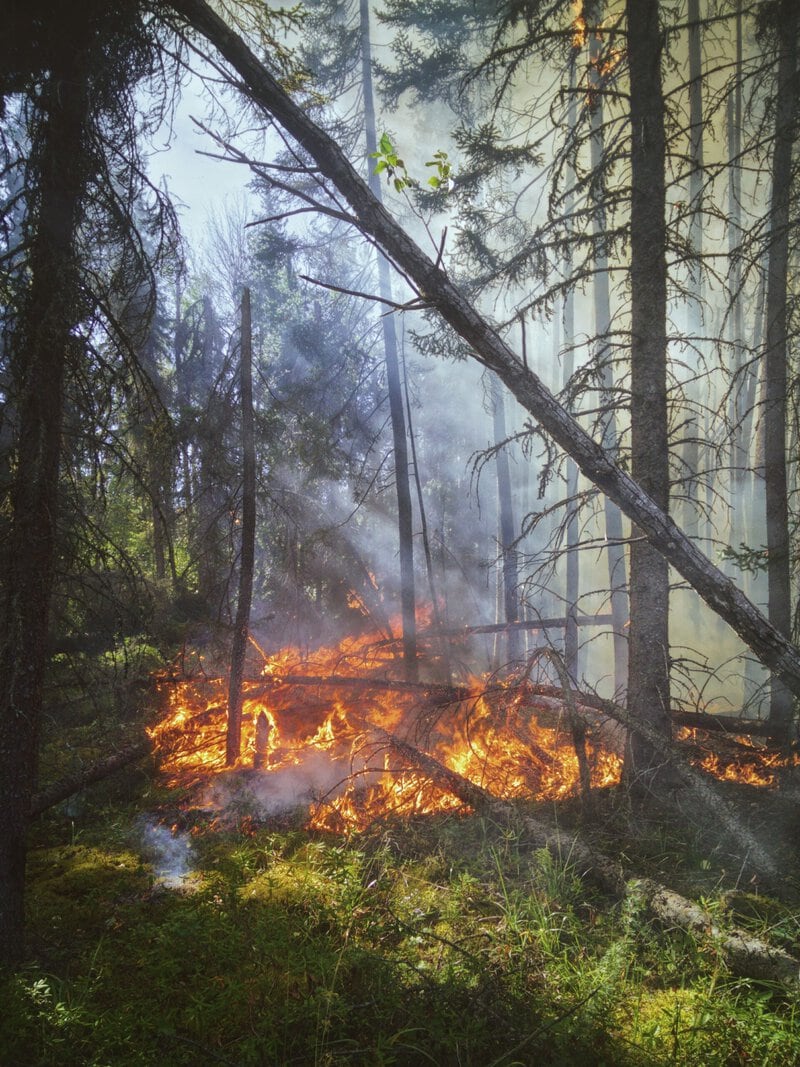
Heat waves are an acute accelerant operating on top of chronic conditions. A century of aggressive fire suppression has created unnaturally dense fuel loads across western forests. Land use change has steadily expanded the wildland-urban interface, where ignitions most readily become disasters. Long-term warming dries landscapes seasonally even in the absence of discrete heat events, incrementally lowering the threshold at which fires start and spread. None of these factors disappears because heat waves have now been assigned a specific statistical weight.
The distinction between heat waves and multi-year drought is worth preserving clearly. Drought — measured by indices like the Palmer Drought Severity Index — is a slow, cumulative fire-risk factor that builds across months and years, conditioning landscapes for burning long before any particular weather event arrives. Heat waves are episodic spikes, dangerous precisely because they are concentrated and intense rather than because they replace the background of chronic drying. Both matter. They demand different forecasting tools and different management responses.
Some fire ecologists note, with justification, that regional variability is substantial. What holds statistically for the northern Rockies may play out differently in Southern California chaparral, where Santa Ana wind events — dry, fast-moving offshore winds that drive extreme fire behavior independent of multi-day heat — are a dominant risk factor in their own right. Acknowledging that regional complexity does not undermine the core finding. The disproportionate concentration of burned area in heat wave windows is a pattern that holds across the study’s multi-decade, multi-region dataset. Innovation News Network’s summary of the study addresses this geographic scope.
The Bottom Line: Two Numbers Worth Remembering
Two statistics, stated precisely, carry the full weight of this research. Heat waves occupy 12 to 15 percent of warm-season days but are associated with 42 percent of all burned area. Removing post-2001 heat wave increases from the historical record would have meant 37 percent less cumulative forest burned. Together, they convert a qualitative observation — heat waves are dangerous for fire — into a quantified, mechanism-explained finding that gives forecasters, managers, and policymakers a cleaner, more actionable target for both preparedness and long-term planning.
The findings do not mean heat waves alone explain the wildfire crisis. Fuel loads, land management history, drought, and the expanding wildland-urban interface all remain essential parts of the picture. But the research does mean that every increment of warming that makes heat waves more frequent is not merely a temperature statistic — it is a measurable increment of future forest loss, traceable through a specific physical mechanism to a specific, outsized outcome.
Heat waves, the study suggests, are not merely symptoms of a warming climate that happens to burn. They are the concentrated mechanism through which a significant share of that warming cashes out as fire on the ground.