
LATEST POSTS
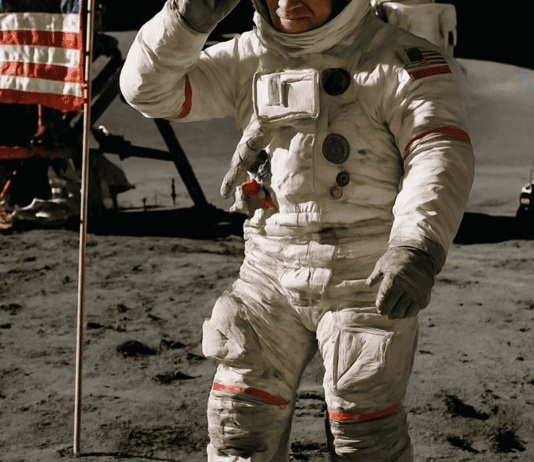
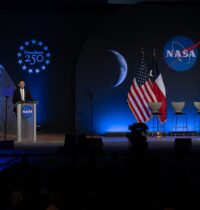
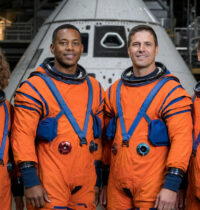
What NASA Needs to Stay on Track for the Moon
NASA's Artemis program faces a demanding sequence of engineering milestones — from sequential test flights to Starship's first orbital refueling — that must each be cleared on time for a crewed lunar landing to succeed. Here's what has to go right, and why the schedule is more fragile than it appears.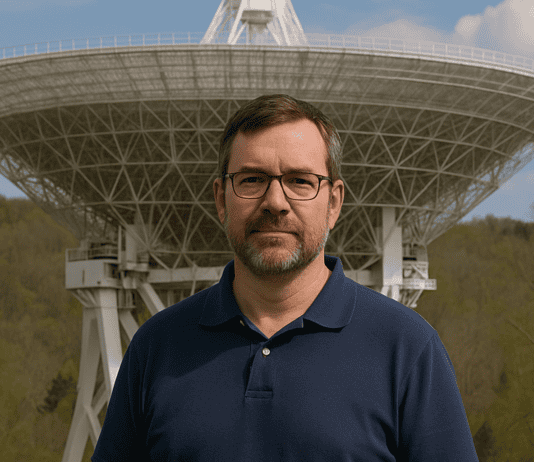
Green Bank Telescope Leads WVU Gravitational Wave Hunt
West Virginia University scientists are leveraging the world's largest fully steerable radio telescope and nearly $6 million in NSF funding to detect ancient gravitational waves and uncover clues about the dawn of the universe.
Extinct Ice Age Peacock Species Identified from Fossil
Scientists at National Taiwan University have formally identified Pavo miejue, a previously unknown extinct peafowl species from Pleistocene fossils found in Taiwan. The giant endemic bird is the largest known to have lived on the island and vanished before recorded history.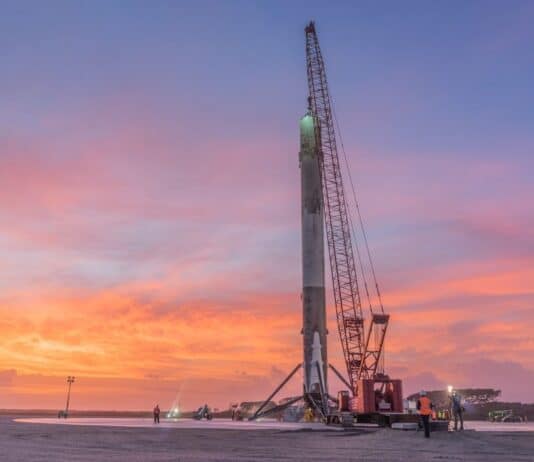
SpaceX IPO & Reusable Rockets: The Economics Explained
On June 12, 2026, SpaceX made its Nasdaq debut while simultaneously landing a Falcon 9 booster — two events that tell one story about how reusable rocket technology transformed the economics of reaching space.
Idaho Voters Must Demand Fossil Fuel Lobbying Transparency
Fossil fuel lobbying quietly shapes scientific research priorities through dark money, think-tank grants, and revolving-door hiring. Idaho voters have transparency tools available—but only if they know to demand them.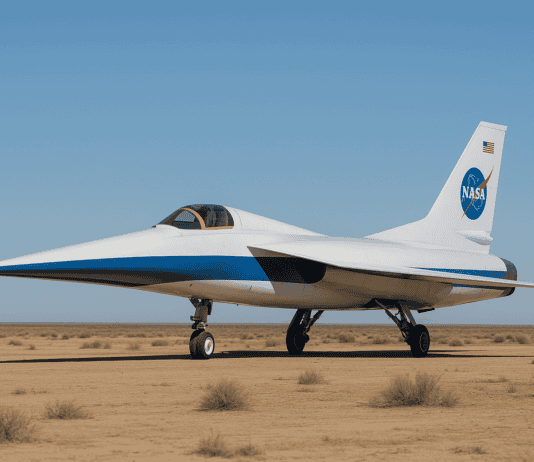
NASA’s X-59 Jet Breaks Sound Barrier With Near-Silent Boom
NASA's X-59 Quesst jet crossed the sound barrier for the first time on June 5, 2026, generating a sonic signature roughly 30 decibels quieter than the Concorde—a potential turning point for commercial supersonic travel over land.Load More
TOP POSTS
July 31, 2026

June 17, 2026

June 17, 2026
EDITOR PICKS
July 29, 2025


December 12, 2024
