14. Basal Ganglia 101
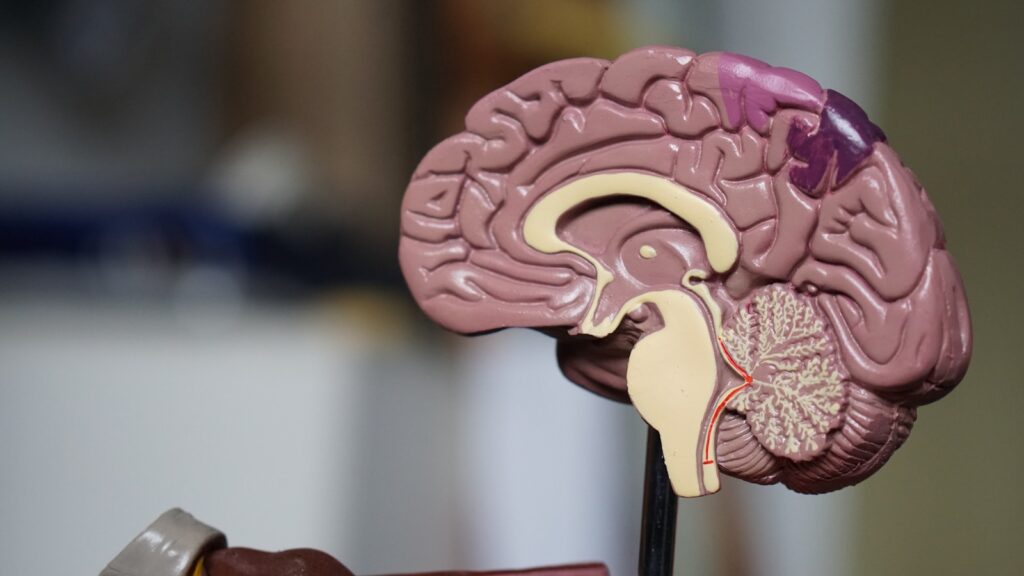
The basal ganglia, a group of structures deep within the brain, play a crucial role in coordinating smooth and purposeful movements. They are involved in regulating motor control, procedural learning, and routine behaviors. In the context of autism, disruptions in basal ganglia function may contribute to the atypical gait patterns observed, such as variability in stride and extended step times. Understanding the basal ganglia’s role offers insights into the neurological underpinnings of movement challenges faced by autistic individuals. By targeting these brain structures, interventions can be developed to promote more fluid and coordinated movements.