15. Cerebellum 101
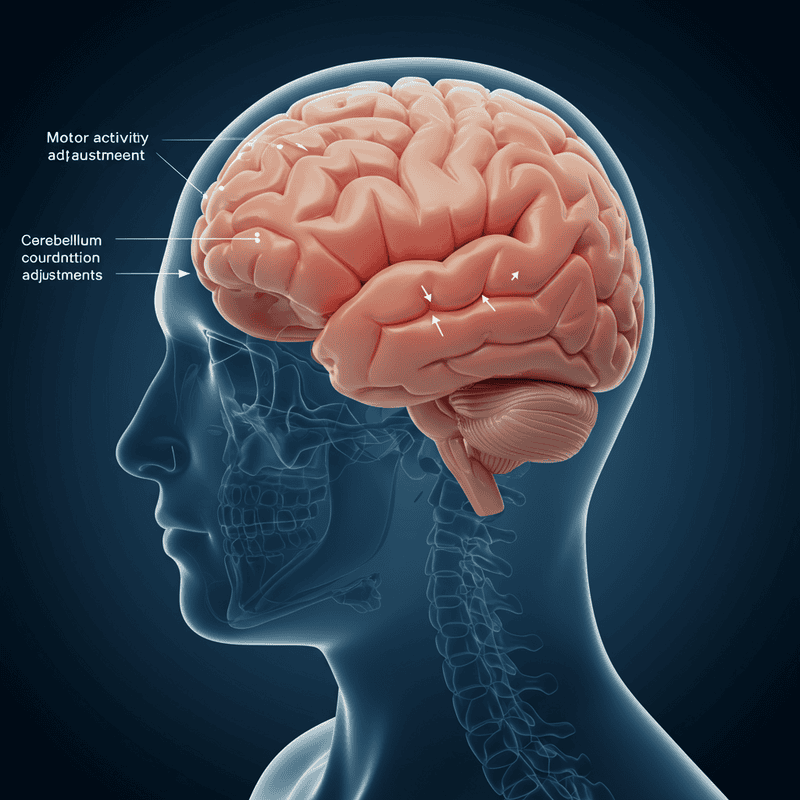
The cerebellum is instrumental in real-time movement editing, ensuring coordination, precision, and balance. It continuously adjusts motor activity, helping to maintain smooth and accurate movements. In autistic individuals, cerebellar dysfunction may contribute to the irregular gait patterns often observed, such as stride variability and balance difficulties. This brain region’s role in fine-tuning motor actions highlights its importance in addressing movement challenges associated with autism. By understanding the impact of the cerebellum on gait, targeted therapies can be developed to enhance motor control and improve the walking patterns of those on the autism spectrum.