
Long before the Inca built Machu Picchu or stretched their roads across a continent, other empires rose and fell across the Andean highlands — sophisticated, expansive, and barely understood by the wider world. Now, a new AI-powered archaeology project co-led by a Brown University researcher is setting out to change that, bringing machine learning to bear on civilizations that scholarship has only begun to illuminate at regional scale.
The Empires That Came Before — and Why We Know So Little
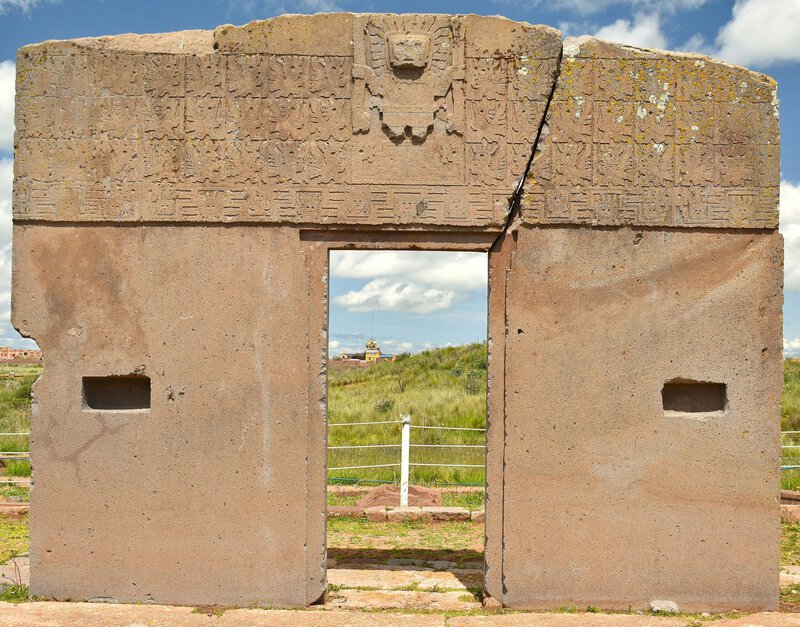
The Inca tend to dominate popular imagination when it comes to ancient Andean civilizations, and for understandable reasons: their empire was vast, architecturally stunning, and still visible in the landscape of modern Peru and Bolivia. But the Inca were, in important ways, inheritors. The Andean highlands had already hosted complex, continent-shaping civilizations for centuries before the Inca rose to dominance — empires that influenced languages, agricultural practices, and monumental architecture across South America long before European contact disrupted and obscured the historical record.
Among the most significant of these pre-Inca civilizations is the Wari (also spelled Huari), which flourished roughly between 600 and 1000 CE across large portions of modern Peru. The Wari built planned cities, developed administrative road networks, and established a system of regional control that in many ways prefigured what the Inca would later accomplish on a grander scale. Yet the Wari remain poorly understood compared to their more famous successor — a gap that reflects genuine structural obstacles in how the Andean archaeological record can be studied.
The core challenge is scale and terrain. The Andes stretch more than 7,000 kilometers, encompassing some of the most remote, extreme, and varied landscapes on Earth. Archaeological sites are scattered across high plateaus, deep valleys, and coastal deserts. The evidence is vast and fragmented, and the work of connecting it into a coherent regional picture — identifying patterns of imperial strategy, construction, and resistance across thousands of miles — has been, until recently, effectively beyond the reach of conventional research methods alone.
The Project: Three Empires, One AI-Powered Framework
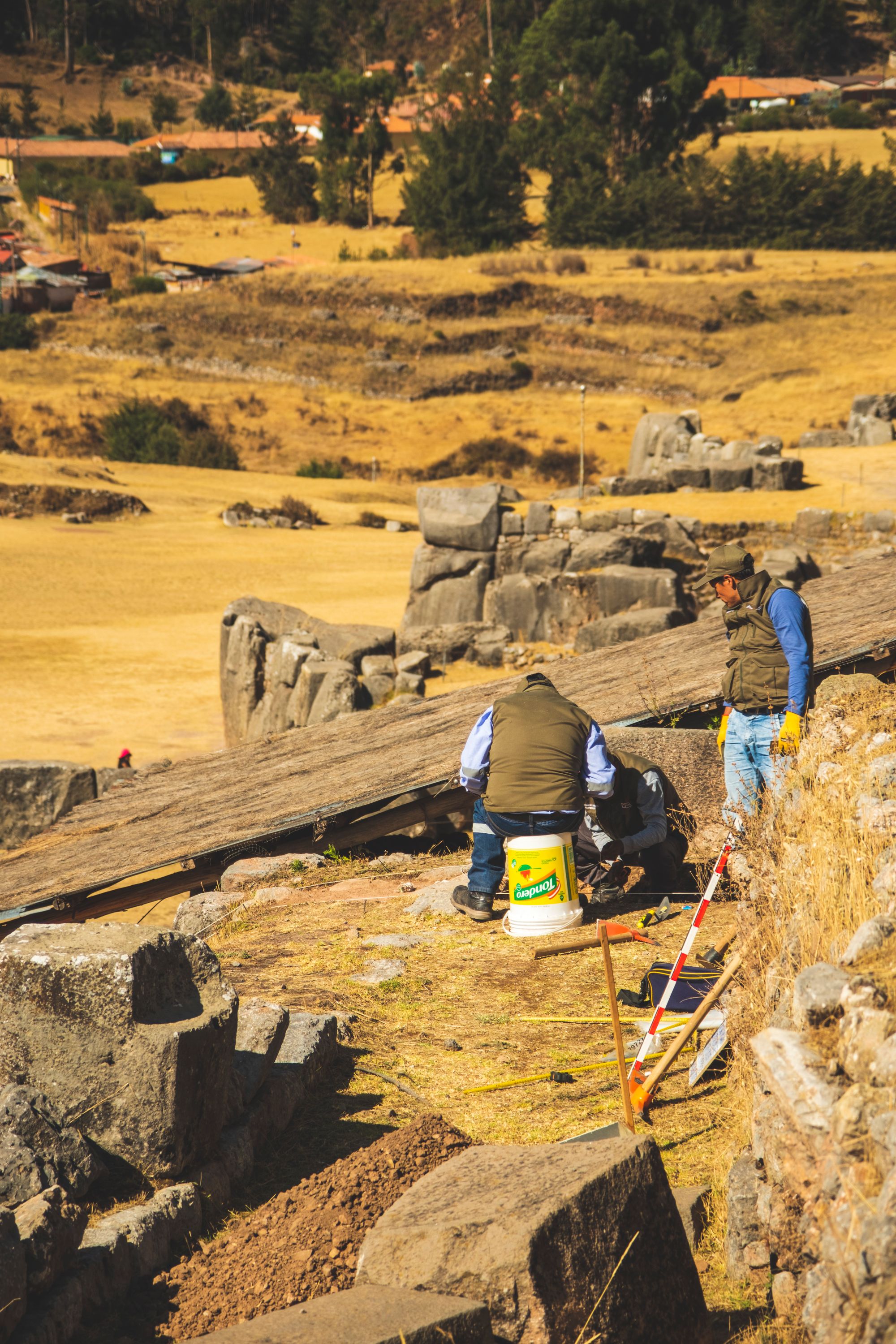
Announced in November 2026, the project is co-led by a Brown University archaeologist and backed by a $10 million grant from Schmidt Sciences through its HAVI initiative. The research focuses on three successive Andean empires — the Wari, the Inka, and the Spanish colonial administration that followed — examining how each adapted its architecture and administrative systems to varied local conditions across the region.
The central ambition is to build something that has not previously existed: a comprehensive, AI-assisted record of imperial architecture across the Andean region. By analyzing all three empires within a single analytical framework, the research team aims to identify patterns of adaptation, influence, and resistance that no single excavation site — and no conventional research program — could reveal on its own.
The comparative structure is particularly significant. Rather than studying the Wari, the Inca, or the Spanish in isolation, placing all three within the same analytical lens allows researchers to ask genuinely new questions. How much did the Inca inherit from the Wari, and how much did they deliberately reinvent? Where did local communities resist or subvert imperial building programs across multiple successive periods of domination? How did Spanish colonial administrators interact with the physical infrastructure they encountered already in place? These questions have long interested the field; the project’s ambition is to address them at a scale that has not previously been feasible.
What AI Actually Does in This Research — and What It Does Not
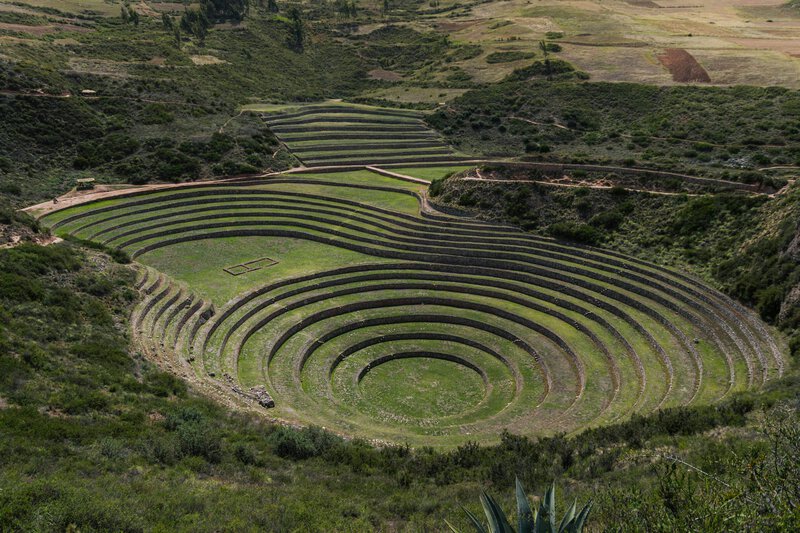
It is worth being precise about what artificial intelligence actually contributes here, because the answer is more grounded than the technology’s reputation might suggest. AI in this context does not replace archaeologists. It processes satellite imagery, excavation records, and architectural surveys at a scale and speed that no human team could match, and it surfaces patterns for expert interpretation.
Machine learning models can be trained to recognize signatures of imperial construction: specific wall alignments, plaza layouts, and the footprints of storage facilities that empires used to manage resources and project administrative control. Once trained, those models can search for matching signatures across thousands of square miles of Andean terrain — a task that would require generations of fieldwork to accomplish manually, if it could be accomplished at all.
The practical result is an expansion of what questions archaeologists can meaningfully ask. Did the Wari and the Inca employ similar spatial strategies in overlapping regions? Where does the physical evidence of imperial presence thin out, marking the functional limits of central control? These are questions the field has long wanted to answer but lacked the tools to address at regional scale. AI provides those tools not as a replacement for human expertise, but as a means of extending it.
This approach reflects a broader trend across disciplines. Researchers are finding that machine learning excels at the kind of large-scale pattern recognition that human experts can perform only slowly and incompletely — freeing those experts to concentrate on interpretation, context, and the deeper historical questions that the patterns raise.
The Wari: The Pre-Inca Civilization Most People Have Never Heard Of
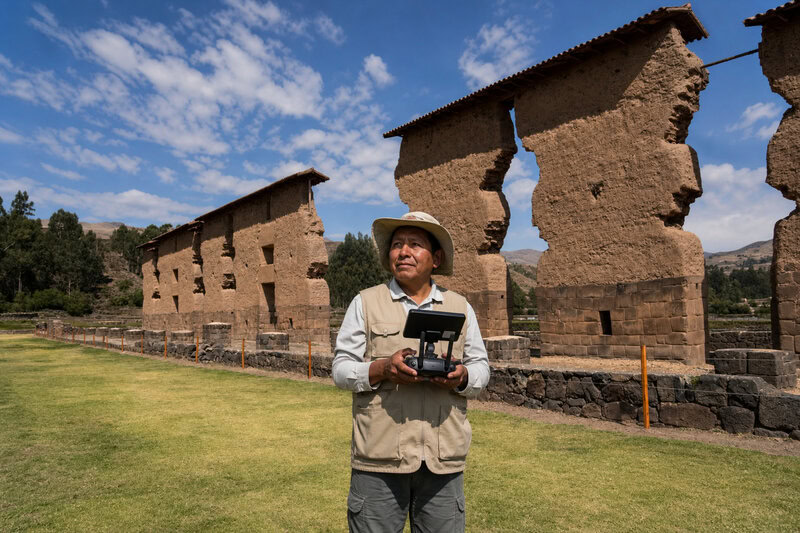
For a general audience, the Wari empire may be the project’s most compelling subject. Preceding the Inca by roughly five centuries, the Wari controlled large portions of modern Peru through a network of administrative centers, standardized architecture, and roads — a system of imperial organization sophisticated enough that some scholars regard it as a direct antecedent to what the Inca later achieved.
Yet the Wari left no known writing system. Their imperial logic, their political history, their strategies of expansion and consolidation — all of it survives almost entirely in stone and soil. That makes AI-assisted pattern recognition across architectural sites not merely useful but potentially transformative: systematic analysis of built remains may represent the closest available approach to reading an administrative record that was never committed to text.
Understanding the Wari is also essential context for understanding the Inca. The question of what the later empire inherited, adapted, or deliberately departed from in its predecessor’s example is one of the most consequential open questions in Andean archaeology — and one that a region-wide architectural database is positioned to address more directly than previous methods have allowed.
Schmidt Sciences and the Scale of the Investment
Schmidt Sciences awarded the $10 million grant through its HAVI 2026 program, which targets ambitious research projects that integrate AI methods with established academic disciplines. Funding at this scale is unusual for archaeological work, which typically proceeds on site-specific grants and constrained budgets. A $10 million commitment represents a meaningful shift in what a research team in this field can realistically attempt.
The grant also signals growing institutional recognition that AI-enabled research in the humanities and social sciences can yield findings with genuine cultural and scientific significance. Applying machine learning to the archaeology of pre-Inca civilizations in South America is no longer a speculative proposition — it is a research direction with credible, near-term prospects for advancing the field.
What This Could Mean for Understanding the Ancient Andes
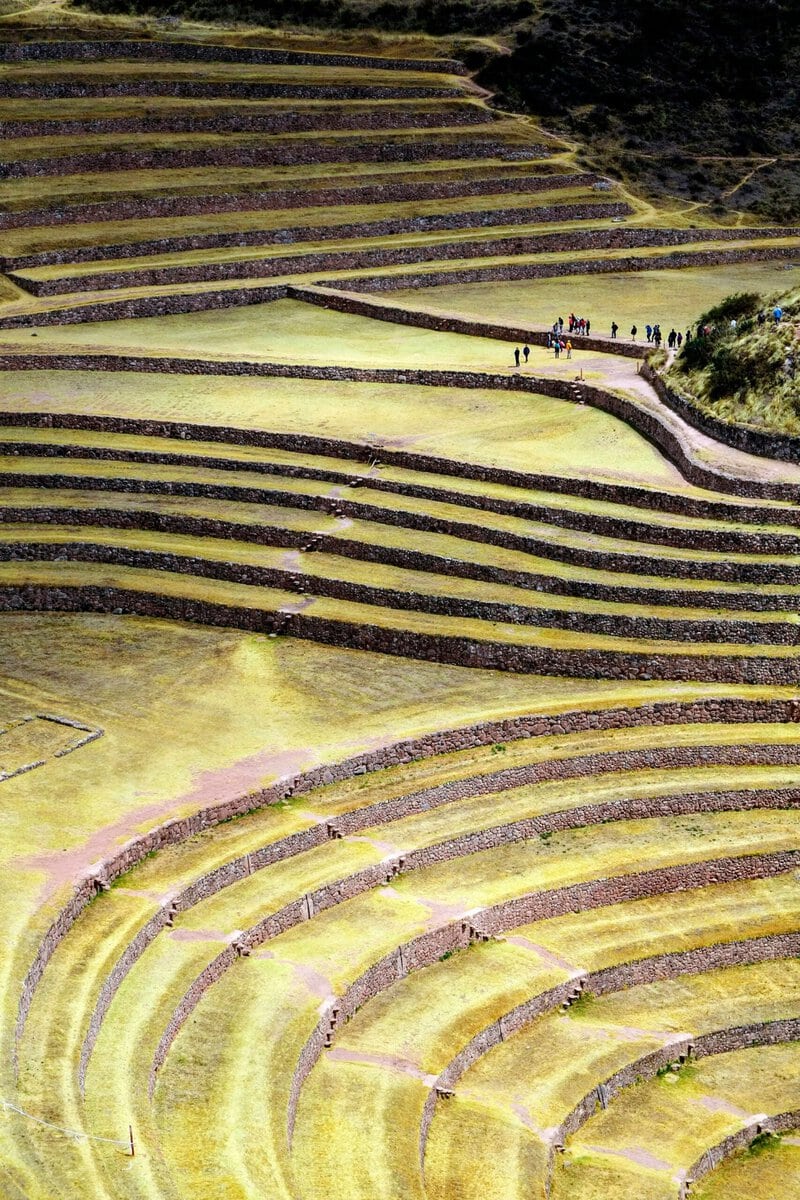
If the project delivers on its aims, the consequences for how scholars and the public understand pre-Columbian South America could be considerable. The Wari could move from a footnote in Inca history to a fully documented imperial civilization, with a clearer record of its strategies, geographic reach, and long-term legacy. The story of how Spanish colonial power overlaid and interacted with existing Andean infrastructure would gain a physical dimension that connects ancient history to the origins of modern Latin American societies.
The methodology itself, once demonstrated at Andean scale, may also prove exportable. Similar AI-assisted regional surveys could eventually illuminate other poorly documented ancient civilizations — across Africa, Asia, or elsewhere in the Americas — where the archaeological record is extensive, fragmented, and awaiting tools capable of integrating it coherently.
For anyone curious about what human history looked like before the civilizations that dominate textbooks, this project is a demonstration that the ancient world is not a closed subject. New tools are making legible what was always present — recorded in stone on remote hillsides and preserved beneath centuries of accumulated soil — but previously impossible to read at the scale the questions demand.