Egyptians of Mesopotamia
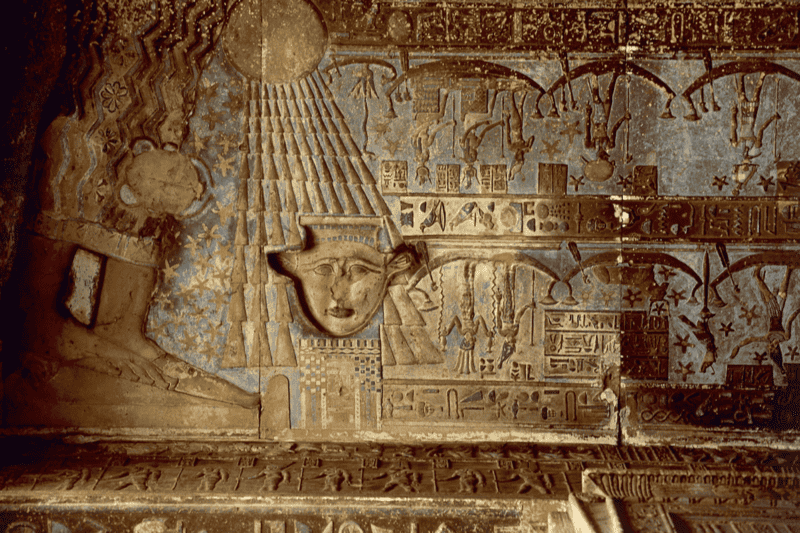
In the sun-kissed lands of Egypt, the ancient Egyptians, with a fascination steeped in religious mystique and agricultural knowledge, left a mark on the history of astronomy. Their monumental pyramids and temples weren’t just architectural marvels but celestial compasses meticulously aligned to the heavens.
The ancient Egyptians were architects of the awe-inspiring pyramids and temples and possessed a profound interest in astronomy that transcended the boundaries of earthly realms. Not merely structures of grandiosity, these architectural marvels were meticulously aligned with astronomical precision, serving as celestial compasses pointing toward the heavens.
At the heart of the Egyptian cosmic odyssey was their ingenious 365-day calendar, intricately woven into the annual rise of Sirius, the brightest star adorning the night sky. This astrological dance wasn’t merely a mesmerizing spectacle; it held tangible significance for the Egyptians. The predictable rise of Sirius heralded the impending inundation of the Nile, a life-giving event that dictated the success of their agricultural endeavors. Through their astute observations and celestial calendars, the Egyptians not only navigated the cyclical rhythms of nature but also left an indelible mark on the evolving narrative of human understanding of the cosmos.