Olmecs of Mesoamerica
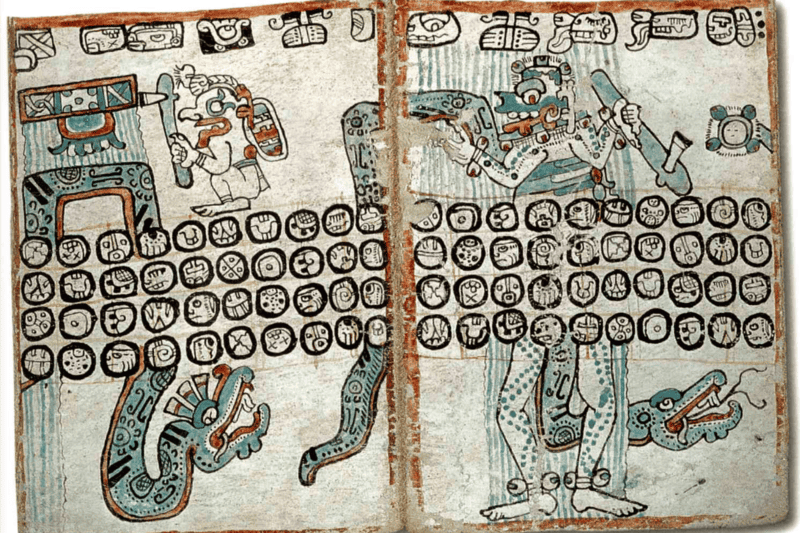
Journeying back to the cradle of Mesoamerican civilizations, we uncover the enigmatic Olmecs, pioneers who paved the way for astronomical curiosity in the region. Flourishing around 1400 BCE, the Olmec civilization, though veiled in mystery, played a vital role in shaping Mesoamerican astronomy. While direct evidence of their ponderings is scarce, the colossal stone heads and intriguing artifacts they left behind hint at a deep connection to the cosmos. Carved with precision and adorned with symbolic headdresses, these massive stone effigies potentially embodied heavenly deities or served as markers for cosmic events, showcasing the Olmecs’ keen awareness of the skies above.
The Olmecs’ influence echoed through time, laying the groundwork for the rich astronomical tapestry that later unfolded in Mesoamerica. Their legacy resonated in subsequent cultures, notably the Maya, who inherited and expanded upon the Olmec fascination with the heavens.
It is believed that the Olmecs, much like their successors, incorporated astronomical knowledge into their daily lives, potentially using the night sky as cues for agricultural and religious practices. While the specifics of their astronomical achievements remain elusive, the Olmecs’ impact on Mesoamerican astronomy is undeniable, setting the stage for the intricate calendrical systems and planetary alignments that would characterize the region’s later civilizations.