Scythian Astronomy
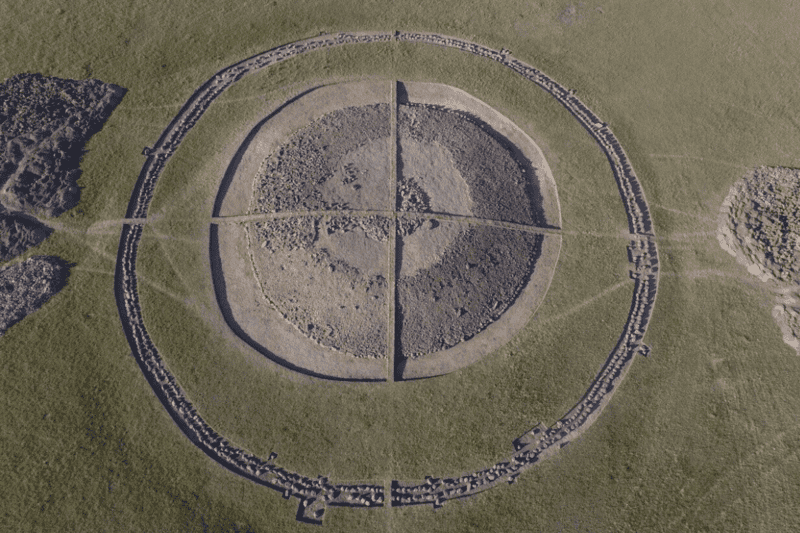
Within the Eurasian steppes, the Scythians, a nomadic people, left an impressive mark on the pages of ancient history. Although not celebrated for intricate astronomical observations, their unique way of life under the vast open skies of the steppes likely fostered a practical understanding of the cosmos. As nomads traversing the expansive landscapes, the Scythians depended on the night sky not merely for navigation but also for temporal guidance. The shimmering constellations above dictated the rhythms of their nomadic existence, serving as a cosmic clock that regulated their movements and activities.
While specific details about Scythian astronomical practices remain scarce, their reliance on the heavens for navigation suggests a fundamental grasp of cosmic cues. The vastness of the steppes necessitated a deep connection to the stars, aiding them in orienting themselves across the boundless landscapes.
The Scythians, in their rudimentary astronomical knowledge, seamlessly integrated the celestial ballet into their daily lives, using the night sky not just as a compass but as a timekeeper. Their innate understanding of the stars and their practical application of astronomical principles, even in the absence of sophisticated instruments, highlights the profound impact that a astrological perspective had on the nomadic Scythian culture.