Harappan People of the Indus Valley
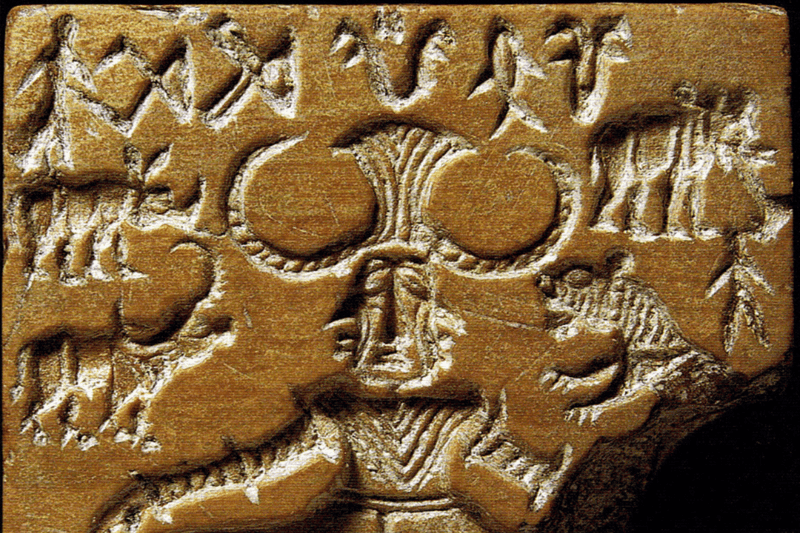
Venture back in time to the flourishing Indus Valley, where the ancient Harappan civilization, from 3300 to 1300 BCE, left an indelible mark on the landscape with their advanced urban planning and engineering prowess. Although direct evidence of their astronomical insights is somewhat elusive, the remnants of their civilization provide intriguing hints. Archaeological sites from this enigmatic era suggest a fascinating connection between the Harappans and the heavenly realm. The layout of certain structures hints at alignments with cosmic events, showcasing an ancient fascination with the heavens.
In the heart of the Indus Valley, the Harappans, while not explicitly documented for their astronomical pursuits, appear to have incorporated astronomy into their architectural endeavors. This suggests an intuitive understanding of the cosmos and an innate connection between their constructed environment and the night sky above.
While the specifics of their astronomical knowledge remain shrouded in mystery, the very notion of aligning structures with astrological occurrences shows a deep cultural integration of the cosmic realm into the fabric of Harappan life. As we gaze upon the remnants of their cities, we catch glimpses of a people who engaged with the cosmos in their own quiet way, perhaps using those cues for calendrical or religious purposes. The Harappan Civilization, with its whispers echoing through time, invites us to contemplate the connection between ancient urban planning and the cosmic ballet that shaped their worldview.