
In a large cohort of patients with chronic kidney disease, researchers found that elevated aldosterone levels independently predicted kidney disease progression, cardiovascular events, and stroke — even after blood pressure was statistically accounted for. That finding, drawn from the Cardiovascular and Metabolic Disease Etiology Research Center-High Risk (CMERC-HI) Study, challenges a longstanding clinical assumption: that this hormone’s damage is merely a downstream consequence of high blood pressure, rather than a direct biological threat to organs like the kidneys.
A Hormone With a More Dangerous Profile Than Textbooks Once Described
Aldosterone is a steroid hormone produced by the adrenal cortex — the outer layer of the adrenal glands, which sit atop each kidney. Its primary and well-established role is regulating the body’s sodium and potassium balance. It does this by binding to the mineralocorticoid receptor (MR), a protein found inside the principal cells of the kidney’s distal nephron — the final filtering segment of each nephron unit — signaling the kidney to reabsorb sodium and excrete potassium. The net result is increased blood volume and, consequently, elevated blood pressure.
For decades, the clinical story of aldosterone was framed almost entirely as a blood pressure story. When the adrenal glands overproduce it — a condition called hyperaldosteronism — blood pressure rises persistently, and the resulting kidney stress was widely attributed to that elevated pressure alone. The CMERC-HI findings, supported by a growing body of mechanistic research, suggest that framing was incomplete.
As the American Journal of Kidney Diseases Blog has summarized, aldosterone activates MR in kidney cells to drive inflammation, oxidative stress, and fibrosis — a progressive scarring process that destroys functional kidney tissue through pathways independent of systemic blood pressure. This MR-mediated mechanism operates even when blood pressure appears controlled on medication, which is what makes aldosterone excess so difficult to detect and so clinically consequential.
Primary Aldosteronism: An Underdiagnosed Driver of Kidney and Heart Risk

The most consequential form of aldosterone excess is primary aldosteronism (PA) — a condition in which one or both adrenal glands produce aldosterone independently of renin and angiotensin II, the hormones that normally govern aldosterone release. Because PA bypasses this feedback loop, it functions as an autonomous driver of hypertension and organ damage. Standard antihypertensive drugs that target renin or angiotensin — medications used by millions of people worldwide — may leave the aldosterone-driven component of harm entirely unaddressed, according to research on primary hyperaldosteronism in chronic kidney disease from the University of Chicago.
PA is widely considered underdiagnosed. Clinicians have traditionally screened for it mainly in patients with severe or treatment-resistant hypertension — defined as blood pressure that remains elevated despite three or more antihypertensive medications — but emerging evidence suggests its true prevalence is considerably higher than historical detection rates reflect. Patients with treatment-resistant hypertension face a particularly strong clinical rationale for aldosterone screening, since undetected PA may be the root cause of their uncontrolled pressure.
As the Cleveland Clinic notes in its clinical overview of hyperaldosteronism, aldosterone excess drives high blood pressure through mechanisms that standard treatment protocols targeting the renin-angiotensin system are not designed to neutralize. When a patient’s aldosterone production is autonomous, the cellular damage continues quietly beneath apparently managed blood pressure numbers — an insidious dynamic that makes routine screening all the more important.
What the CMERC-HI Study Found and Why It Matters

The CMERC-HI Study examined the relationship between serum aldosterone levels, blood pressure control, and kidney outcomes in a well-characterized cohort of patients with chronic kidney disease (CKD) — a condition in which the kidneys progressively lose their ability to filter waste from the blood, affecting hundreds of millions of people worldwide. The study’s central finding was that higher serum aldosterone levels were independently associated with an increased risk of kidney disease progression, even when blood pressure variables were statistically controlled. Aldosterone appeared not as a proxy for uncontrolled hypertension, but as a pathological agent in its own right.
The study also confirmed associations between aldosterone excess and cardiovascular events and stroke, reinforcing that the hormone poses a systemic, multi-organ threat. Coverage by EurekAlert noted that aldosterone excess was linked to significantly higher risks of cardiovascular events, stroke, and incident CKD independent of blood pressure — a finding with meaningful implications for how both nephrologists and cardiologists screen and treat high-risk patients.
It is important to place these findings in appropriate scientific context. The CMERC-HI Study is an observational cohort study, which means it can identify associations but cannot by itself establish that elevated aldosterone causes the observed outcomes rather than simply correlating with them. Larger, multi-ethnic replication studies and randomized interventional trials are needed to confirm the direction of causality and to determine whether directly reducing aldosterone levels produces measurable improvements in kidney and cardiovascular outcomes.
How Aldosterone Damages the Kidney at the Cellular Level
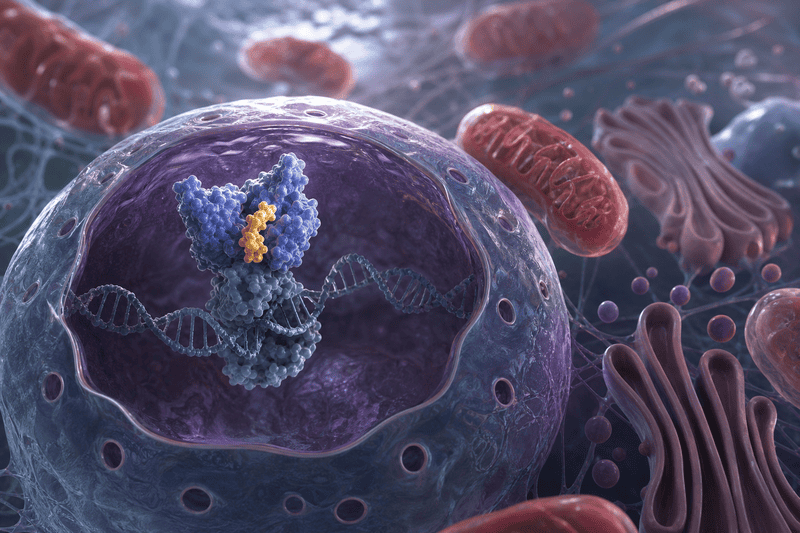
The biological mechanism underlying these findings has been characterized in animal models and early human research. When aldosterone binds to MR in kidney cells — not only in the distal nephron but also in other renal and vascular tissues — it initiates a cascade of events well beyond sodium retention. The MR-activated pathway promotes the release of pro-inflammatory cytokines, increases oxidative stress, and stimulates the production of fibrotic proteins that progressively replace healthy kidney tissue with scar tissue. Once scarred, kidney tissue cannot regenerate.
This mechanism is blood-pressure-independent, which is the critical clinical point. As a peer-reviewed analysis of aldosterone in chronic kidney disease and renal outcomes documents, the direct cellular effects of aldosterone — mediated through the MR — can advance kidney fibrosis even in patients whose blood pressure readings appear well-managed. The CMERC-HI findings lend human clinical weight to that mechanistic picture.
Blocking the mineralocorticoid receptor with a class of drugs called MR antagonists — including the older agent spironolactone and the newer, more selective drug finerenone — has shown promise for slowing kidney fibrosis in animal model studies and early human trials. Finerenone has drawn particular attention because, unlike spironolactone, it carries a lower risk of dangerous potassium elevation (hyperkalemia) in patients with already-compromised kidney function. Long-term human outcome data remain under active investigation, however, and the optimal use of these agents across different stages of CKD has not been definitively established in clinical guidelines.
Who Is Most at Risk and What Patients Should Understand
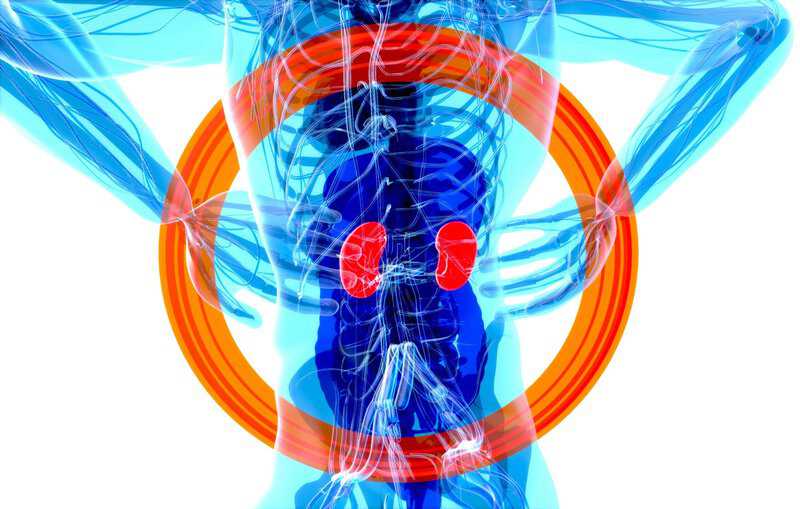
Patients already diagnosed with CKD occupy a particularly precarious position in relation to aldosterone. Reduced kidney function impairs the body’s ability to clear excess aldosterone, potentially creating a destructive cycle in which declining kidneys allow aldosterone to accumulate, and accumulating aldosterone accelerates kidney decline. As STAT News reported on research linking aldosterone to worsening kidney disease, the hormone has been connected to kidney disease progression in people both with and without diabetes — a breadth that extends the at-risk population well beyond any single underlying diagnosis.
The population-level implications are significant. CKD is already a global health burden of considerable scale, and if a meaningful subset of CKD patients carry elevated aldosterone levels that standard antihypertensive treatment fails to address, those patients may be progressing toward kidney failure faster than their current management would predict — and faster than clinicians would realize without aldosterone measurement.
Researchers and clinicians have increasingly called for aldosterone measurement to become a more routine component of CKD evaluation, positioning serum aldosterone alongside established markers like creatinine and eGFR (estimated glomerular filtration rate — the standard measure of how efficiently kidneys filter blood) as a prognostic tool. As the Nephrology Journal Club has explored in its discussion of primary hyperaldosteronism, the questions of who should be screened and at what aldosterone threshold clinical intervention becomes warranted remain actively debated, without current consensus.
Patients with treatment-resistant hypertension, CKD of any cause, or a history of cardiovascular events should discuss aldosterone screening with their physician or a specialist in nephrology or endocrinology. This research does not provide grounds for self-adjusting medications — current regimens are prescribed for evidence-based reasons and should not be changed without medical supervision — but it does reinforce the value of specialist evaluation that looks beyond blood pressure numbers alone.
Open Questions and Where the Science Is Heading

The CMERC-HI Study represents a meaningful contribution to a rapidly developing field, but significant clinical questions remain unresolved. Researchers have not yet established the optimal serum aldosterone threshold at which intervention is warranted, the long-term safety profile of MR antagonists across advanced stages of CKD, or whether aldosterone-lowering strategies produce equivalent benefits across different ethnic populations and biological sexes. These are not minor gaps; they are the questions that determine whether a scientific signal becomes a clinical practice guideline.
If aldosterone’s independent, blood-pressure-independent contribution to organ damage is confirmed in larger randomized trials, treatment guidelines from nephrology and cardiology societies may need to evolve. Earlier and more targeted MR antagonist therapy could become standard of care for CKD patients with elevated aldosterone, fundamentally shifting the treatment paradigm for a disease that currently has limited options for slowing progression.
For now, the CMERC-HI findings constitute a well-documented scientific signal — not yet a practice-changing mandate — and the research community is watching closely as follow-up studies are designed to test whether directly addressing aldosterone excess can meaningfully reduce the global burden of kidney disease. The evidence is building that this hormone has been underestimated in clinical practice for too long, and that a more rigorous accounting is overdue.