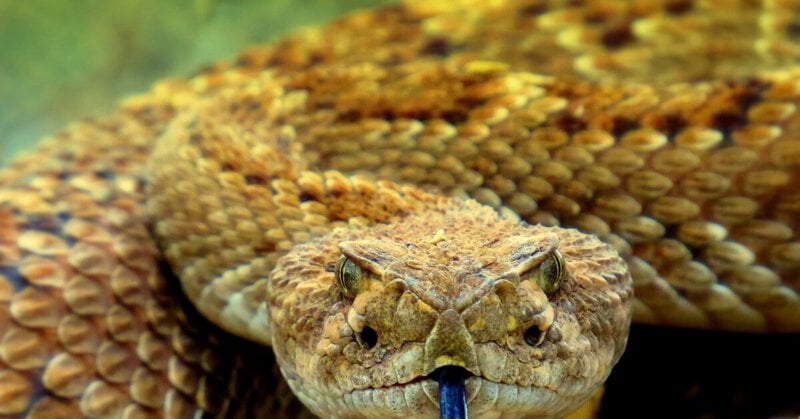
In a Loma Linda University study published November 28, 2026, one rattlesnake repeatedly approached unfamiliar objects placed in its enclosure while its neighbors retreated — and it did so consistently, every time. That single, repeatable behavioral gap between individuals is, according to the researchers, among the clearest evidence yet that snake personality is not a projection of human imagination but a measurable biological reality.
The Two Findings That Change the Picture
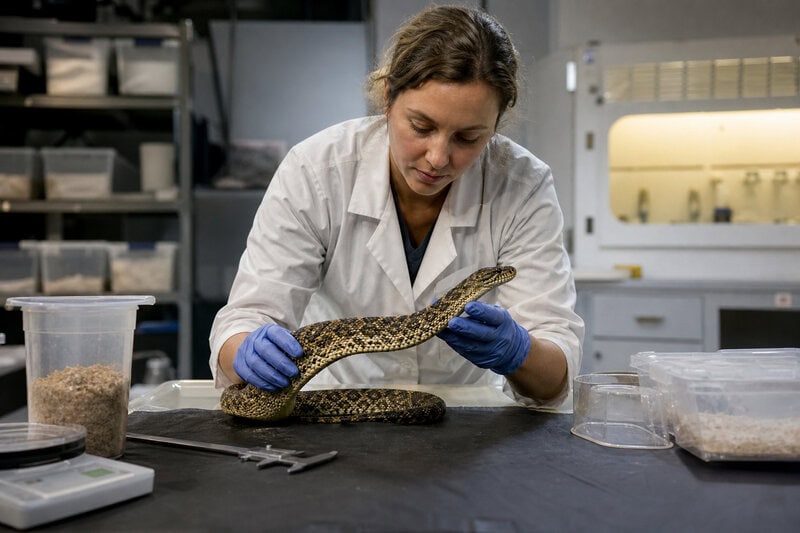
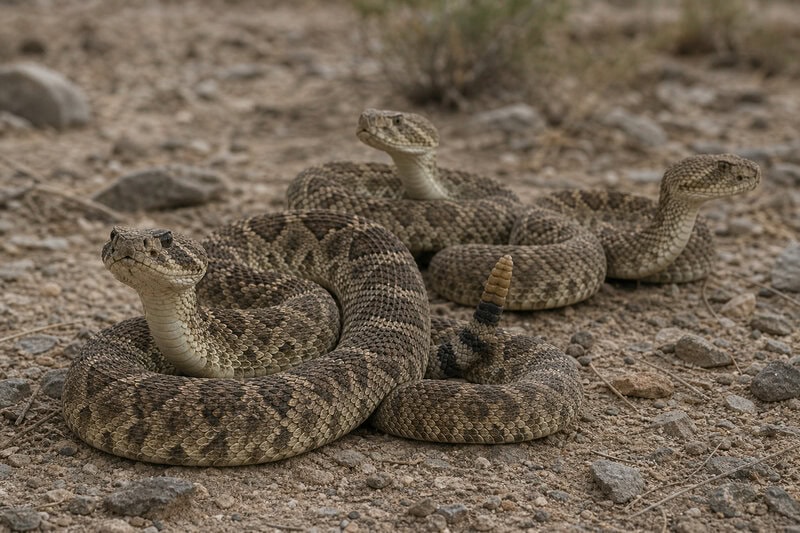
The Loma Linda study, covered in depth by NPR on November 28, 2026, produced two headline results that together challenge a long-standing assumption about rattlesnake behavior. First, researchers documented consistent, repeatable differences in how individual rattlesnakes behaved — what behavioral ecologists call “animal personality” or, more formally, a “behavioral syndrome.” Second, and perhaps more surprisingly, they found that a population of rattlesnakes formed social groups, with members frequently interacting within those groups and overlapping interactions among the same individuals occurring repeatedly over time.
That second finding matters enormously because it rules out coincidence. If rattlesnakes simply happened to occupy the same space at random, you would not expect to see the same individuals choosing to associate with each other again and again. The overlapping interaction patterns the Loma Linda team mapped suggest something more deliberate — voluntary social contact in an animal that most people, and many scientists, assumed had no interest in its own kind outside of mating.
Taken together, the two findings carry a direct implication: if rattlesnakes have distinct personalities and form social groups, the standard model of rattlesnake cognition — reflex-driven, solitary, behaviorally interchangeable — requires meaningful revision.
What ‘Animal Personality’ Actually Means — and How Scientists Measure It
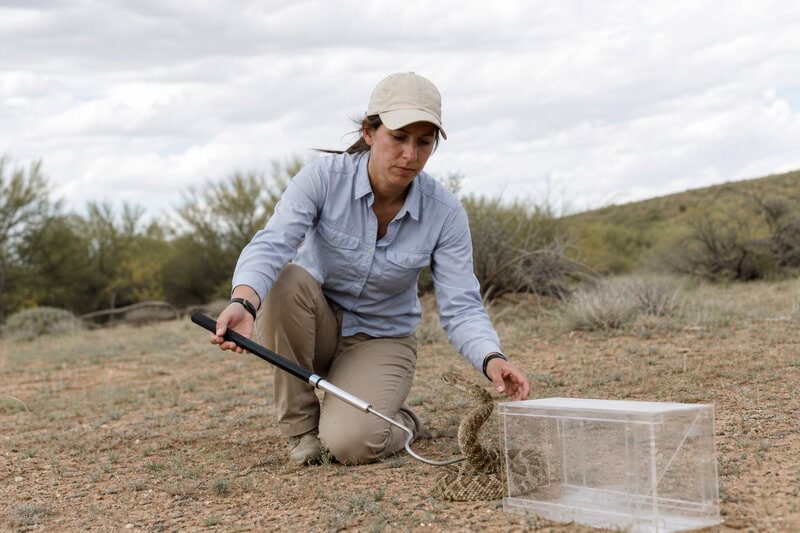
The term “animal personality” does not mean researchers believe snakes experience the world the way humans do. In behavioral ecology, animal personality refers strictly to consistent individual differences in behavior that persist across time and across different contexts. A snake that is bold in one situation and bold in another — and shy in neither — is showing personality in the scientific sense: a stable, reproducible individual pattern, not a random fluctuation.
Researchers typically quantify personality along several axes. Boldness measures willingness to approach a potential threat or novel stimulus. Shyness is often measured as the latency — the time it takes — for an animal to emerge from a shelter after a disturbance. Curiosity, sometimes called exploration, tracks how extensively an individual investigates unfamiliar objects or environments. When an animal scores consistently along these axes across multiple independent tests, researchers have statistical grounds to call that a personality trait rather than noise.
This is an established scientific field with decades of rigorous work in fish, birds, and mammals. What the Loma Linda rattlesnake research does is extend that framework into reptiles — a group where the evidence base has historically been thinner and where findings remain more actively debated. As emerging research on rattlesnake social behavior summarized by the University of Illinois makes clear, the scientific conversation about reptile behavioral complexity has been building for years; the Loma Linda study adds significant new weight to that conversation.
One important caveat applies across the entire field: demonstrating that a snake is consistently bold tells researchers that the trait is real and stable, but it does not explain why. Whether personality differences in rattlesnakes arise from genetics, early developmental environment, or some combination of both remains an open question that the current study does not resolve.
The Lone Rattler Myth — Where It Came From and Why It Persisted

The image of the rattlesnake as a solitary, instinct-driven ambush predator did not emerge from nowhere. Rattlesnakes do not rear young the way mammals do, do not hunt cooperatively, and are rarely encountered in visible groups in the field. For observers working without continuous tracking technology, those absences looked like evidence of a fundamentally asocial animal.
The problem was a classic methodological blind spot. Rattlesnakes are cryptic sit-and-wait predators — animals that spend long periods motionless and concealed. Continuous behavioral observation of such animals in the wild is extraordinarily difficult, which means that historical field data systematically underrepresented social contact. Absence of observed sociality was treated as evidence of its absence, when in fact it may simply have reflected the limits of the observation method.
The Loma Linda study’s tracking approach, which allowed researchers to map which snakes clustered with which and to identify overlapping interaction patterns among the same individuals, helps correct that blind spot by producing data with enough statistical resolution to distinguish voluntary association from random proximity.
It is worth being precise about what the finding does and does not overturn. Rattlesnakes are not social in the way wolves or primates are. The Loma Linda researchers did not document cooperative hunting, shared parental care, or anything resembling a dominance hierarchy. What they found is voluntary, repeated social contact within a population — a more modest but still scientifically significant revision to the lone-rattler model.
That model has had practical consequences. Population-level generalizations about rattlesnake behavior — that they are aggressive, that they are solitary, that individual variation is negligible — have informed wildlife management decisions and public-safety guidance for decades. More accurate behavioral data could meaningfully affect how those policies are designed.
Why Behavioral Diversity Makes Evolutionary Sense
Once the finding is on the table, it raises an obvious question: why would natural selection preserve personality variation within a rattlesnake population rather than converging on a single optimal behavioral strategy?
The evolutionary logic is well established in other species and applies plausibly here. In variable environments, a population benefits from behavioral diversity across its members. A bold individual that explores new territory may locate food sources or mates that a shy individual would miss. A shy individual that remains concealed may survive a predation event that kills a bolder neighbor. Neither strategy is universally superior; both contribute to the population’s collective resilience across varying conditions. Personality variation, from this perspective, is not a collection of individual quirks — it is a population-level adaptive resource.
The social finding connects to the personality finding in a way that researchers have documented in fish and birds: individuals with compatible or complementary personality types may preferentially associate with each other, producing non-random social groupings. The overlapping interaction patterns the Loma Linda team identified in their rattlesnake population appear consistent with that pattern, though the study does not establish the connection definitively.
What remains unresolved is substantial. The current research does not demonstrate that rattlesnake personality differences are heritable, does not show whether bolder or shyer individuals have higher reproductive success in any given environment, and does not establish whether the social groupings the researchers documented confer any measurable fitness benefit to their members. These are the logical next questions, and they will require longitudinal tracking, genetic sampling, and comparative work across rattlesnake species and populations to answer.
What This Means for How We Understand — and Manage — Rattlesnakes
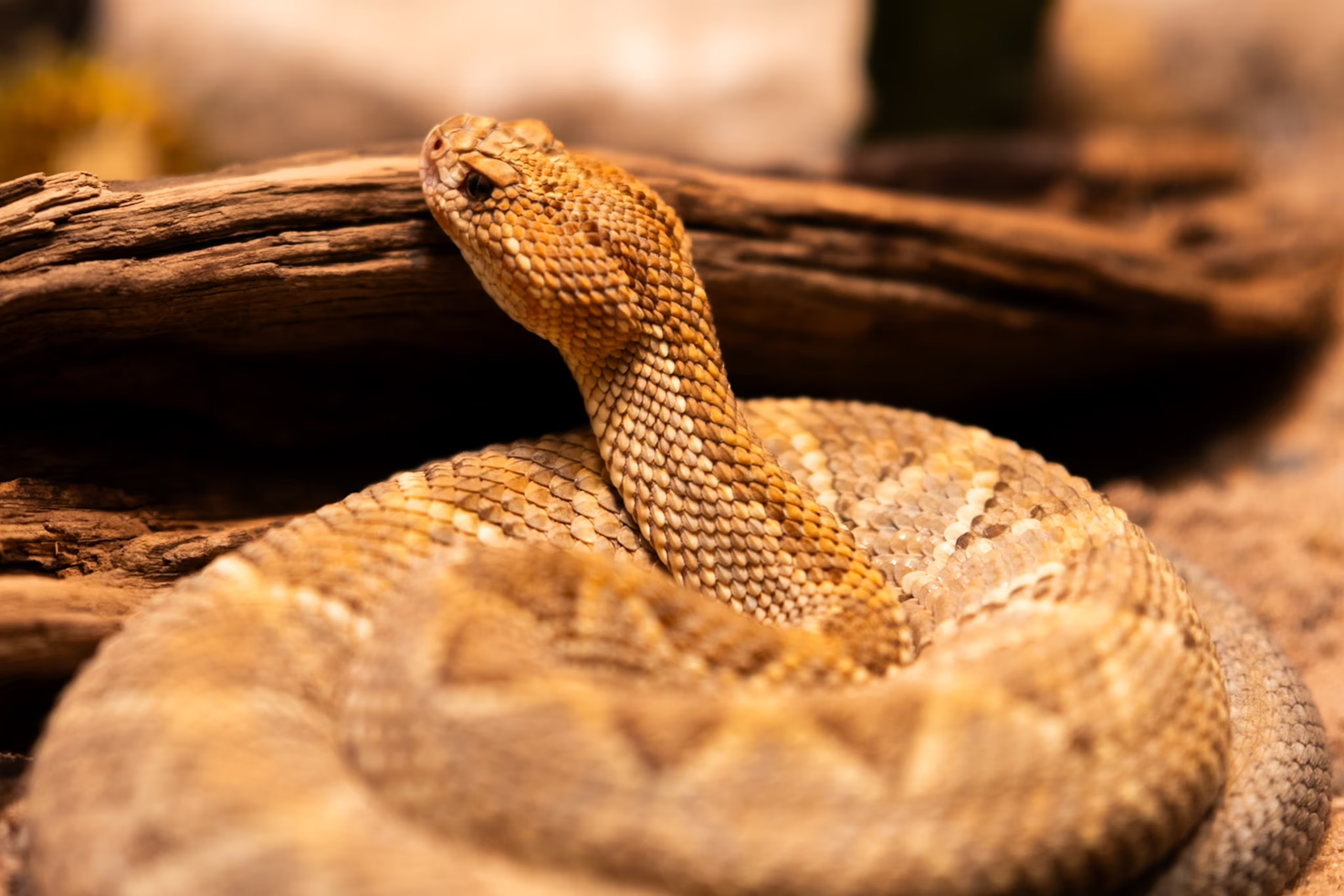
The practical implications of the rattlesnake personality study extend in several directions, though it is important not to overstate them.
From a wildlife management standpoint, if individual rattlesnakes vary meaningfully in boldness and social tendency, then population-level generalizations used to guide policy may be systematically misleading. A bold rattlesnake that actively explores human-modified landscapes — suburban edges, agricultural margins, recreational areas — poses a different kind of encounter risk than a shy individual that rarely moves from concealed habitat. Personality variation of this kind could, in principle, inform more evidence-based coexistence strategies, though translating laboratory and observational findings into field management practice is never straightforward.
Some animal welfare frameworks extend moral consideration based on evidence of behavioral complexity — the capacity for individual experience, social bonds, and something resembling preference. Personality and voluntary social association are relevant variables within those frameworks. Applying them to rattlesnakes, however, remains genuinely contested among ethicists and biologists, and the Loma Linda study does not resolve that debate. It adds evidence to one side of it.
What the study does not suggest is that rattlesnakes are misunderstood pets, harmless neighbors, or emotionally rich companions in any meaningful sense. As reporting from public radio outlets makes clear, the claim being advanced is scientific, not sentimental: rattlesnakes appear to be more behaviorally complex than the dominant cultural and scientific narrative has acknowledged. That is a meaningful empirical finding. It is not a reason to stop respecting a venomous animal’s capacity to cause serious harm.
What Scientists Still Don’t Know — and What Comes Next

The Loma Linda rattlesnake study establishes two things with reasonable scientific weight: individual personality variation exists within a rattlesnake population, and that population shows evidence of voluntary social grouping with repeated overlapping interactions among members. It does not establish the causes, mechanisms, or heritability of those traits, and it does not demonstrate how generalizable the findings are to other rattlesnake species or to wild populations in diverse ecological settings.
The next logical research steps are relatively clear to the field. Longitudinal tracking — following the same individuals across seasons and life stages — would test whether personality traits are stable over time or shift as snakes age or encounter new conditions. Genetic sampling would allow researchers to ask whether bold snakes are related to other bold snakes in ways that suggest heritability. Comparative studies across rattlesnake species would test whether the patterns observed at Loma Linda reflect something genus-wide or something specific to a single population.
The Loma Linda findings do not stand entirely alone. Tortoises, monitor lizards, and several colubrid snake species have previously shown individual behavioral variation in published research, and the broader pattern emerging from reptile cognition research is becoming increasingly difficult for the field to dismiss as artifact or anthropomorphism. Animal personality science, with its established methodology and decades of cross-taxa evidence, provides a rigorous framework for evaluating these findings without either inflating or minimizing their significance.
The Loma Linda University rattlesnake study does not rewrite the textbook on reptile behavior, but it adds a credible and significant new chapter — one suggesting that even animals we have long treated as simple reflex machines may carry something recognizable as an individual self.