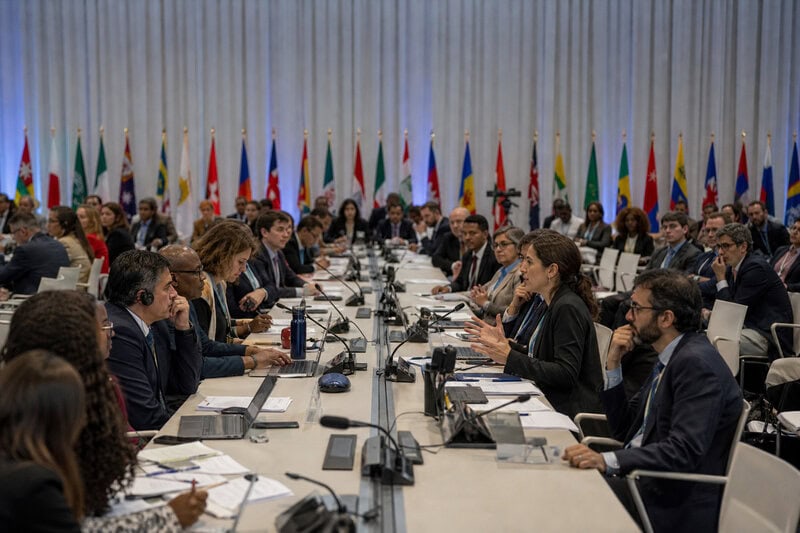
On Saturday, November 14, 2026, in the convention halls of Antalya, Turkey, the United Nations’ top climate official delivered a warning that felt simultaneously urgent and eerily familiar. UNFCCC Executive Secretary Simon Stiell stood before COP31 negotiators and demanded they “avoid tactical delays” and move swiftly into the hardest issues — language that would have been equally at home in Copenhagen in 2009, in Paris in 2015, or in Dubai in 2023. The repetition is not accidental. It is the sound of a structural problem that no single summit has yet been designed to solve.
What COP31 Is Actually Trying to Do — and Why It’s Already Stalling
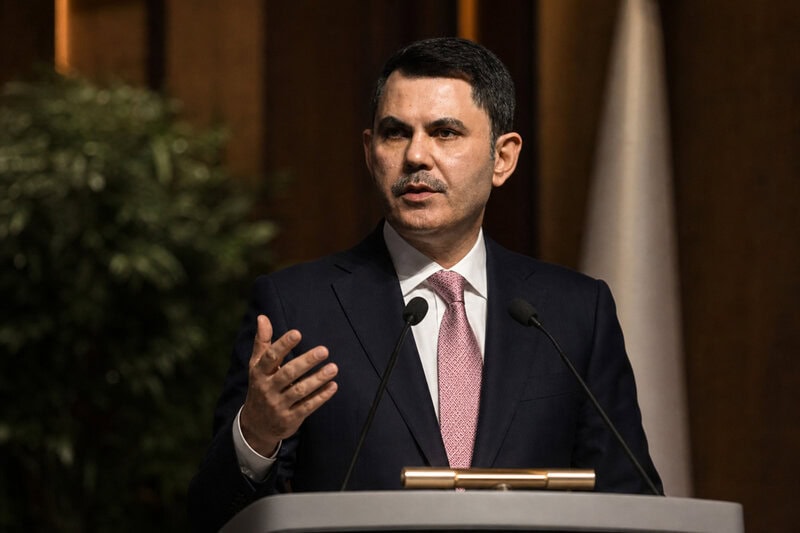
COP31 — the 31st Conference of the Parties to the United Nations Framework Convention on Climate Change, the treaty body that has governed global climate negotiations since 1994 — convened in Antalya under the presidency of Turkish Environment, Urbanisation and Climate Change Minister Murat Kurum. Opening the talks, Kurum issued a call that matched Stiell’s in urgency, urging parties to “save the world before it’s too late.”
The formal negotiating goal at COP31 is to advance the implementation architecture of the Paris Agreement’s 1.5 °C pathway — specifically, to build clarity around how countries will update their nationally determined contributions (NDCs), the voluntary emissions pledges each party submits under the UNFCCC framework. The next round of NDCs covering the post-2030 period must be submitted in 2025, making COP31 effectively the last major multilateral moment to shape the ambition of those pledges before they are locked in.
Turkey’s host agenda adds a distinctive diplomatic dimension to the proceedings. COP31 President Kurum is championing a proposal to place global electrification expansion at the center of any eventual deal, arguing it will drive faster emissions reductions than sector-by-sector fossil fuel phase-out language. The approach reflects Turkey’s strategic position: a rapidly industrializing country with significant renewable energy ambitions but also deep economic ties to fossil fuel supply chains across its region.
The summit’s central divide, as reported from Antalya, is blunt: major fossil fuel producers and consumers are resisting any deal that would specify firm new targets or formally mandate a shift away from oil — a harder line than the “transition away from fossil fuels” language that was eventually adopted at COP28 in Dubai after intense last-minute bargaining. Some countries are resisting any new constraints on fossil fuel use at all.
The Mechanism of Gridlock: Why the Same Fight Keeps Happening
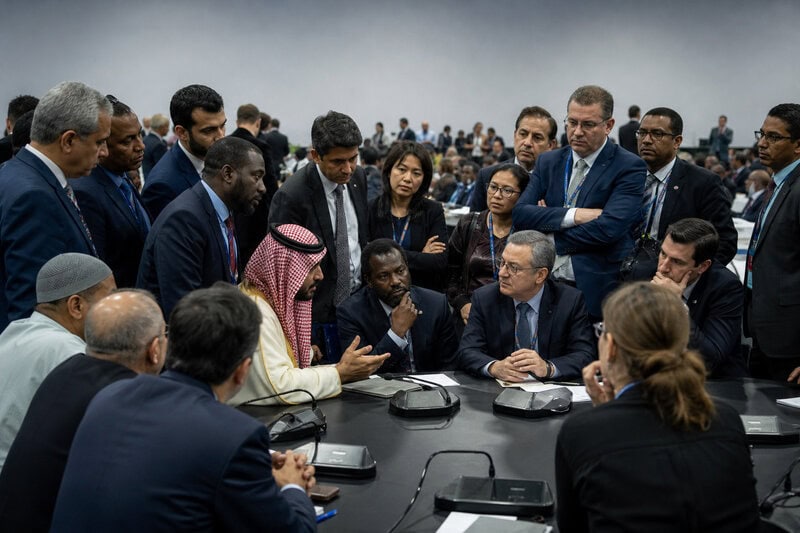
To understand why climate summits repeatedly stall on the same fossil fuel fight, it helps to understand the rules of the room. Climate summits operate by consensus under UNFCCC rules, meaning a single bloc of countries can effectively veto specific language. This structural feature systematically advantages fossil fuel-dependent economies whenever phase-out or phase-down wording is on the table. It was a deliberate design choice meant to ensure universal buy-in, but its consequence is that the countries with the most to lose from aggressive climate language hold disproportionate blocking power.
Economists describe this as a commons problem with veto players: every country rationally prefers that others bear the transition cost first. The consensus rule converts that individual rationality into collective inaction — a dynamic analyzed extensively in political-science literature on international environmental agreements. Robert Falkner at the London School of Economics has identified a recurring pattern he terms a “minilateral trap”: the countries most willing to move fast are rarely the countries whose emissions reductions matter most at the global scale, so ambitious coalitions form but global agreements dilute.
The divide is not simply rich nations versus poor ones. It cuts across income levels, pitting major oil exporters — including OPEC members and several Gulf states — alongside large coal consumers in certain emerging economies and fossil fuel-import-dependent developing nations, against climate-vulnerable small island states, the European Union, and progressive middle powers. These are not monolithic blocs; they shift and splinter depending on the specific language being negotiated. But on the core question of binding fossil fuel commitments, the alignment of resistant interests has proven remarkably durable across three decades of talks.
Stiell’s public call to move swiftly into the hardest issues is itself a diagnostic signal. As analysts covering the Antalya talks have noted, it indicates that as of November 14, 2026, parties were already deploying procedural delay as a negotiating tool — a pattern documented by researchers at the International Institute for Sustainable Development across multiple COP cycles. When the head of the UNFCCC secretariat is warning against “tactical delays” in public, it means those delays are already happening in private.
The Fossil Fuel Fault Line: Producers, Consumers, and Why the Distinction Matters
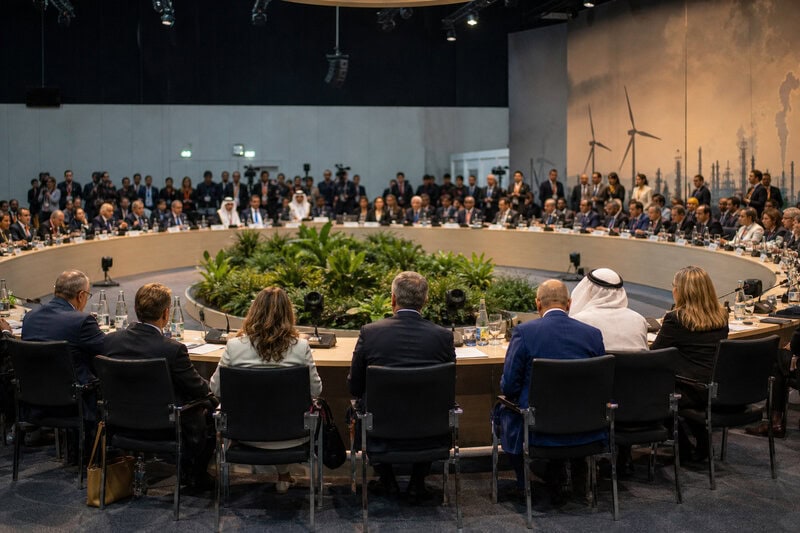
Not all resistance to fossil fuel commitments looks the same, and conflating different types makes targeted solutions harder to find. For countries where hydrocarbon revenues constitute a substantial share of GDP or export earnings — a vulnerability analyzed in International Monetary Fund assessments of petro-state exposure to stranded-asset scenarios — binding phase-out timelines are perceived not as environmental policy but as an existential fiscal threat. These are producer-side concerns, and the policy response they require is primarily about economic diversification and revenue replacement.
Consumer-side resistance is structurally different. Some of the countries most wary of new constraints on fossil fuel use are not major producers but major consumers — nations whose industrial base, electricity grid, or transportation system remains structurally locked into fossil fuels, and whose governments face domestic political constraints on rapid transition. These countries primarily need technology transfer and affordable clean-energy financing, not revenue replacement. COP agreements have historically conflated these two categories, making targeted compromise harder and allowing resistant blocs to present a unified front that obscures genuine differences in what each bloc actually needs.
Financial flows compound the problem. The UNFCCC’s own loss-and-damage and climate finance commitments remain unfulfilled for many developing nations, creating a trust deficit that fossil fuel-resistant blocs exploit to justify blocking new obligations until old ones are honored. The logic is not irrational: agreeing to new constraints before receiving promised support for the transition would be a poor negotiating outcome for any country in a vulnerable position.
What Is Different at COP31 — and What Remains Stubbornly the Same
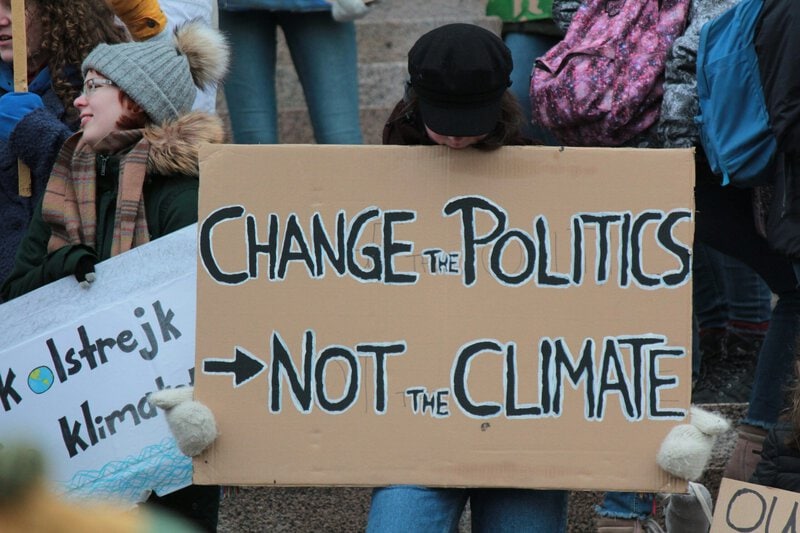
The scientific baseline has sharpened considerably since the Paris Agreement was adopted. The Intergovernmental Panel on Climate Change’s Sixth Assessment Report established with high confidence that limiting warming to 1.5 °C requires global CO₂ emissions to reach net zero around mid-century, and that existing fossil fuel infrastructure — if operated to its economic lifetime — would already exhaust the remaining carbon budget. The scientific case for urgency is clearer than it has ever been. The political response has not kept pace.
Turkey’s electrification-centered proposal represents a genuine, if contested, diplomatic innovation. Rather than fighting over phase-out language — which triggers maximum resistance — the Kurum proposal frames the conversation around what countries are building toward rather than what they are abandoning. Some negotiating observers consider this reframing more politically durable than confrontational phase-out fights. If structured with binding renewable buildout targets and concrete financing mechanisms rather than aspirational language alone, it could provide a constructive alternative track.
Critics raise a pointed concern, however: electrification expansion language without parallel commitments to reduce fossil fuel supply can become a “both-and” narrative that delays the “either-or” reckoning the science requires. Climate policy researchers have flagged this tension in analyses of previous summit outcomes, noting that the gap between agreed language and implemented policy remains the defining failure mode of the post-Paris era. The precedent of COP28’s “transition away” formula is instructive: it unlocked consensus that harder phase-out language could not, but analysts have cautioned that verbal formulas are not the same as structural change.
What a Path Forward Could Look Like — and What It Would Actually Require
The most credible near-term pathway identified in UNFCCC process analysis involves disaggregating the fossil fuel question. Separating coal — where international consensus for phase-down is comparatively broader — from oil and gas, where it is not, would allow negotiators to pursue achievable agreements in one domain without letting the harder fight poison the entire process. Linking any new commitments to concrete, front-loaded climate finance packages would reduce the perceived cost asymmetry for vulnerable economies, directly addressing the trust deficit that enables blocking behavior.
The annual COP cycle and rotating host presidencies also create structural incentives for host countries to prioritize reaching a deal over reaching a good deal, since a failed summit is treated as a diplomatic embarrassment regardless of the substantive reason for failure. As Stiell’s repeated calls for speed at COP31 make plain, the barrier to progress is not scientific uncertainty — the IPCC consensus is unambiguous — but political will shaped by economic interest, institutional rules, and geopolitical rivalry. The consensus rule rewards delay. These mechanics explain why Stiell’s warning about “tactical delays” is both necessary and, on its own, insufficient: the delays are not bugs in the system but rational strategies within a system that rewards them.
Changing the outcome at COP31 — or at any future summit — requires either changing the underlying rules or changing the geopolitical incentives that make delay a rational choice for powerful actors. Neither task is on the official agenda in Antalya. Recognizing that gap between the mandate climate diplomacy has and the mandate it needs is, at minimum, the first honest step toward demanding more from the summits designed to close it.